Introduction
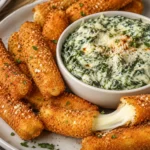
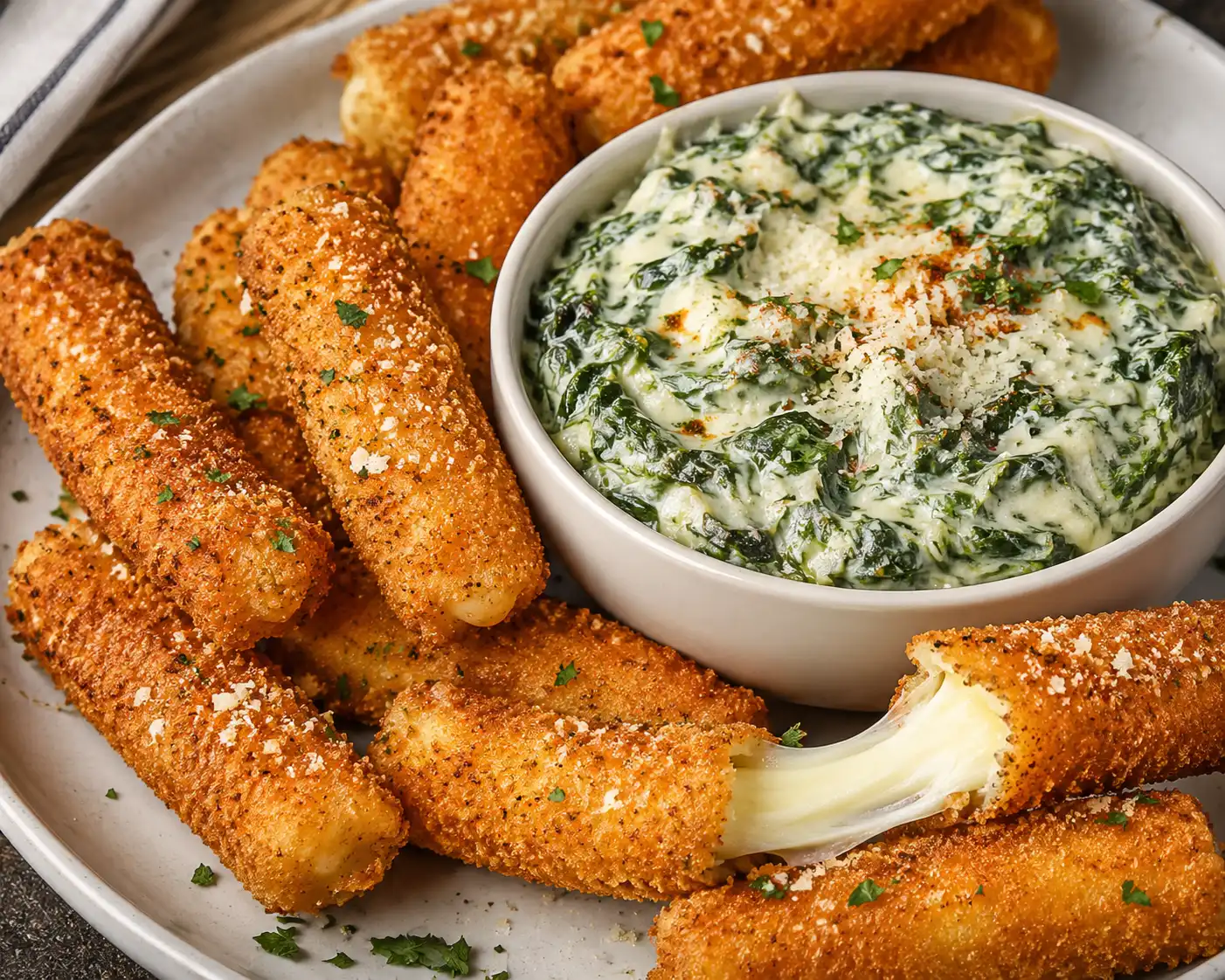
There are few appetizers in the modern culinary landscape that command the universal appeal and instant gratification of the mozzarella stick. It is a staple of Italian-American dining, a favorite at sports bars, and a cherished comfort food found in freezer aisles across the globe. However, for the home cook looking to elevate this classic finger food, there exists a magnificent opportunity to fuse two powerhouse flavors into one cohesive, decadent bite. Enter the Spinach Dip Mozzarella Stick, a culinary innovation that marries the gooey, elastic stretch of melted mozzarella cheese with the creamy, savory, and herbaceous notes of a classic spinach artichoke dip.
This recipe is not merely about melting cheese inside a breadcrumb coating; it is about creating a complex flavor profile that surprises the palate. When you bite into a perfectly fried spinach dip mozzarella stick, you are greeted first by the shattering crunch of seasoned breadcrumbs, followed immediately by the rich, warm flow of cheese infused with garlic, spinach, and Parmesan. It transforms a simple snack into a gourmet experience suitable for game day parties, holiday gatherings, or a sophisticated twist on a Friday night treat. The following guide will walk you through every aspect of creating this dish, from the historical context of its components to the precise chemical interactions that ensure your cheese stays inside the coating until the very moment it hits your plate.
The History
To understand the genesis of the Spinach Dip Mozzarella Stick, one must first examine the lineage of its two parent concepts. The mozzarella stick, as recognized in the United States, is a quintessential example of Italian-American innovation. While mozzarella cheese has origins stretching back to ancient Rome and the Campania region of Italy, the concept of breading and deep-frying sticks of low-moisture mozzarella is largely a mid-20th-century American invention. It gained massive popularity in the 1970s and 1980s, becoming synonymous with pizza parlors and casual dining chains that sought to offer affordable, high-reward appetizers.
Conversely, spinach dip has its own storied past in American social cuisine. Emerging prominently in the 1950s and 60s alongside the rise of convenience foods like frozen spinach and sour cream-based mixes, spinach dip became the king of party platters. Often served in a hollowed-out bread bowl or with tortilla chips, it represented a creamy, savory counterpoint to the heavier meats and cheeses of the era. The fusion of these two icons is a relatively recent phenomenon, born out of the modern foodie culture’s desire to combine textures and flavors in unexpected ways. As stuffed appetizers gained traction in the 2000s, chefs began experimenting with filling mozzarella sticks with more than just plain cheese. The addition of spinach dip elements brought a vegetal depth and creamy tang that cut through the richness of the fried cheese, creating a balanced bite that honors both histories while creating something entirely new.
Ingredients Breakdown
Creating the perfect Spinach Dip Mozzarella Stick requires a careful selection of ingredients, each serving a specific structural or flavor-based purpose. Understanding the role of each component is crucial for troubleshooting and achieving the best results.
The Cheese Base
The foundation of this recipe is the mozzarella cheese. It is imperative to use low-moisture, whole milk mozzarella rather than fresh mozzarella stored in water. Fresh mozzarella has a high water content that will turn to steam rapidly during frying, causing the breading to explode and the cheese to leak out. Low-moisture mozzarella has the ideal protein structure to melt smoothly without becoming too runny too quickly. Additionally, we incorporate Parmesan cheese into the mixture. Parmesan adds a salty, umami punch that enhances the overall savoriness and helps thicken the internal filling slightly due to its lower moisture content compared to mozzarella.
The Spinach Component
For the spinach element, frozen chopped spinach is generally preferred over fresh for this specific application. Frozen spinach is blanched before freezing, which softens the fibers and makes it easier to integrate into the cheese stick without creating tough chunks. However, the most critical step regarding the spinach is moisture removal. Spinach holds a tremendous amount of water. If not thoroughly squeezed dry using a cheesecloth or clean kitchen towel, this water will release during cooking, creating soggy pockets within the cheese stick and weakening the structural integrity of the breading.
The Binders and Aromatics
To hold the spinach and cheese together before freezing, we utilize a small amount of cream cheese or sour cream. This acts as a binder, ensuring the spinach doesn’t fall out when the stick is bitten into. Garlic powder and onion powder are preferred over fresh aromatics because fresh garlic and onion contain moisture that can burn during frying or create uneven cooking spots. Dried spices distribute flavor evenly throughout the cheese matrix. Salt and black pepper are essential to wake up the flavors, while dried Italian herbs like oregano and basil tie the profile back to its Italian-American roots.
The Coating System
The exterior crunch is achieved through a standard breading procedure involving flour, egg wash, and breadcrumbs. All-purpose flour provides a dry surface for the egg to adhere to. The egg wash acts as the glue. For the breadcrumbs, Italian-style seasoned breadcrumbs are recommended to infuse the crust with flavor, but panko breadcrumbs can be mixed in for a lighter, airier crunch. The ratio of breadcrumbs to seasoning is vital; too much seasoning can cause the exterior to burn before the cheese melts, while too little results in a bland shell.
Step-by-Step Recipe
Executing this recipe requires patience, particularly during the freezing stages. Rushing the process is the most common cause of failure when making stuffed cheese sticks. Follow this narrative guide to ensure success.
Begin by preparing your filling mixture. In a large mixing bowl, combine the shredded low-moisture mozzarella, grated Parmesan, thoroughly squeezed spinach, cream cheese, and all your dried spices. Use your hands or a sturdy spatula to mix this thoroughly until the spinach and spices are evenly distributed throughout the cheese shreds. You want a homogeneous mixture where every bite promises the same flavor balance. Once mixed, the texture should be cohesive enough to hold together when pressed.
Next, you must form the sticks. Line a baking sheet with parchment paper or a silicone mat. Take handfuls of the cheese mixture and shape them into rectangular logs, roughly the size of a standard mozzarella stick. It is important to compact the cheese tightly; air pockets are the enemy here, as expanding air can crack the coating during frying. Once shaped, place the sticks on the baking sheet. At this stage, they are too soft to bread. You must place the entire baking sheet into the freezer for at least one hour, preferably two. The cheese logs need to be solid as a rock before they encounter the breading station.
Prepare your breading station while the cheese freezes. Set up three shallow bowls. The first contains all-purpose flour seasoned with a pinch of salt and pepper. The second contains beaten eggs mixed with a tablespoon of water to loosen them slightly. The third contains your breadcrumbs. Once the cheese sticks are frozen hard, remove them from the freezer. Working quickly but carefully, dredge each stick in the flour, shaking off the excess. Dip it into the egg wash, ensuring full coverage. Finally, roll it in the breadcrumbs, pressing gently to ensure adherence.
Here is the secret step that most recipes omit: double freezing. After the first coat of breading, place the sticks back on the baking sheet and return them to the freezer for another 30 minutes. For an extra thick crust, you can repeat the egg and breadcrumb step for a double coat. Once fully breaded and frozen again, they are ready for cooking. Whether you choose to deep fry or bake, the internal temperature of the cheese must rise slowly enough to melt without breaching the crust. Fry in oil heated to 350 degrees Fahrenheit for about 2 to 3 minutes until golden brown, or bake at a high temperature until crisp. Let them rest for a minute before serving to allow the cheese to set slightly, preventing burns.
Tips
Mastering spinach dip mozzarella sticks is a skill that improves with attention to detail. Here are essential tips to guarantee a perfect batch every time.
- Moisture Control is King: Never underestimate the amount of water in spinach. Squeeze it until your hands hurt. If the mixture feels wet, add more grated Parmesan to absorb the excess moisture.
- Freeze Twice: Do not skip the second freeze after breading. This sets the coating and ensures the cheese remains solid when it hits the hot oil, preventing leakage.
- Oil Temperature: Invest in a cooking thermometer. If the oil is too cool, the sticks will absorb grease and become soggy. If it is too hot, the breadcrumbs will burn before the center melts.
- Don’t Overcrowd: When frying, cook in small batches. Adding too many frozen sticks to the oil at once drops the temperature rapidly, leading to greasy results.
- Seal the Ends: When breading, pay special attention to the ends of the sticks. This is where cheese most commonly leaks out. Press extra breadcrumbs onto the ends to create a seal.
- Rest Before Eating: Molten cheese causes severe burns. Allow the sticks to rest on a wire rack for 2 to 3 minutes after cooking. This also helps the coating crisp up as steam escapes.
Variations and Customizations
While the classic spinach dip flavor profile is delicious, this recipe serves as a versatile canvas for customization based on dietary needs or flavor preferences.
Spicy Kick
For those who enjoy heat, incorporate crushed red pepper flakes into the cheese mixture or add cayenne pepper to the breadcrumb coating. You can also mix in finely diced pickled jalapeños into the spinach filling for a tangy spice.
Meat Lovers
To make this a heartier appetizer, fold in cooked, crumbled bacon or finely diced pepperoni into the cheese mixture. Ensure any meat added is cooled and dry before mixing to prevent grease leakage.
Gluten-Free Option
This recipe is easily adaptable for gluten-free diets. Substitute the all-purpose flour with a gluten-free baking blend and use certified gluten-free breadcrumbs. Almond flour can also be used for a lower-carb breading option, though it browns faster than wheat breadcrumbs.
Alternative Cooking Methods
Deep frying yields the crispiest result, but an air fryer is an excellent alternative for reducing oil usage. Cook in an air fryer at 370 degrees Fahrenheit for 6 to 8 minutes, turning halfway through. Baking is another option, though the crust will be drier; brush the breaded sticks with olive oil before baking to encourage browning.
Cheese Blends
Experiment with different cheeses. Provolone offers a sharper taste, while Fontina provides an even creamier melt. A blend of mozzarella and cheddar can introduce a deeper color and sharper flavor profile.
Health Considerations and Nutritional Value
It is important to approach this recipe with an understanding of its nutritional density. Spinach dip mozzarella sticks are an indulgent treat, high in calories, saturated fats, and sodium. A single serving, typically defined as 3 to 4 sticks, can contain a significant portion of daily recommended fat intake due to the cheese, cream cheese, and frying oil.
However, there are ways to mitigate the health impact. The spinach itself provides vitamins A, C, and K, as well as iron and fiber, adding a nutritional boost that plain mozzarella sticks lack. To reduce calories, consider baking instead of frying to eliminate the absorbed oil content. Using part-skim mozzarella instead of whole milk can reduce the saturated fat content without significantly compromising the melt quality. Portion control is key; serving these alongside a fresh salad or vegetable crudités can help balance the meal and prevent overconsumption. For those monitoring sodium, reduce the added salt in the breading and rely on the natural saltiness of the Parmesan cheese.
Ingredients
- 2 cups low-moisture whole milk mozzarella cheese, shredded
- 1/2 cup Parmesan cheese, finely grated
- 1 cup frozen chopped spinach, thawed and thoroughly squeezed dry
- 2 ounces cream cheese, softened
- 1 teaspoon garlic powder
- 1 teaspoon onion powder
- 1/2 teaspoon dried oregano
- 1/2 teaspoon dried basil
- 1/4 teaspoon black pepper
- 1/2 cup all-purpose flour
- 2 large eggs, beaten
- 1 tablespoon water
- 2 cups Italian-seasoned breadcrumbs
- Vegetable or canola oil, for frying
- Salt, to taste
Directions
- In a large bowl, combine the shredded mozzarella, Parmesan, squeezed spinach, cream cheese, garlic powder, onion powder, oregano, basil, and black pepper. Mix until well combined.
- Line a baking sheet with parchment paper. Shape the cheese mixture into 12 rectangular sticks, compacting them tightly to remove air pockets.
- Place the baking sheet in the freezer for at least 1 hour, or until the sticks are completely solid.
- Set up a breading station with three bowls: one with flour, one with beaten eggs mixed with water, and one with breadcrumbs.
- Remove sticks from the freezer. Dredge each stick in flour, dip in egg wash, and roll in breadcrumbs, pressing to adhere.
- Place breaded sticks back on the baking sheet and freeze for another 30 minutes to set the coating.
- Heat oil in a deep fryer or heavy pot to 350 degrees Fahrenheit (175 degrees Celsius).
- Fry the sticks in small batches for 2 to 3 minutes until golden brown and floating.
- Remove with a slotted spoon and drain on a wire rack or paper towels.
- Let cool for 2 minutes before serving with marinara or ranch dressing.
FAQ
Can I make these ahead of time?
Yes, you can bread and freeze the sticks up to a month in advance. Cook them directly from frozen when ready to serve.
Why did my cheese leak out during frying?
This usually happens if the cheese wasn’t frozen solid enough before frying, or if the oil temperature was too high, causing the coating to set too slowly.
Can I use fresh spinach?
Yes, but you must wilt it first and squeeze out all the moisture. Frozen is generally easier for consistent texture.
What dipping sauce goes best?
Marinara sauce is the classic choice, but ranch dressing, garlic aioli, or a spicy marinara complement the spinach flavors well.
How do I reheat leftovers?
Reheat in an oven or air fryer at 350 degrees Fahrenheit to maintain crispiness. Microwaving will make the coating soggy.
Summary
Spinach Dip Mozzarella Sticks combine gooey cheese and savory spinach in a crispy, golden breadcrumb coating for the ultimate appetizer.
Freeze the sticks twice before cooking to prevent leakage and ensure a perfect melt every time.