Introduction
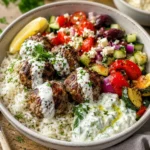
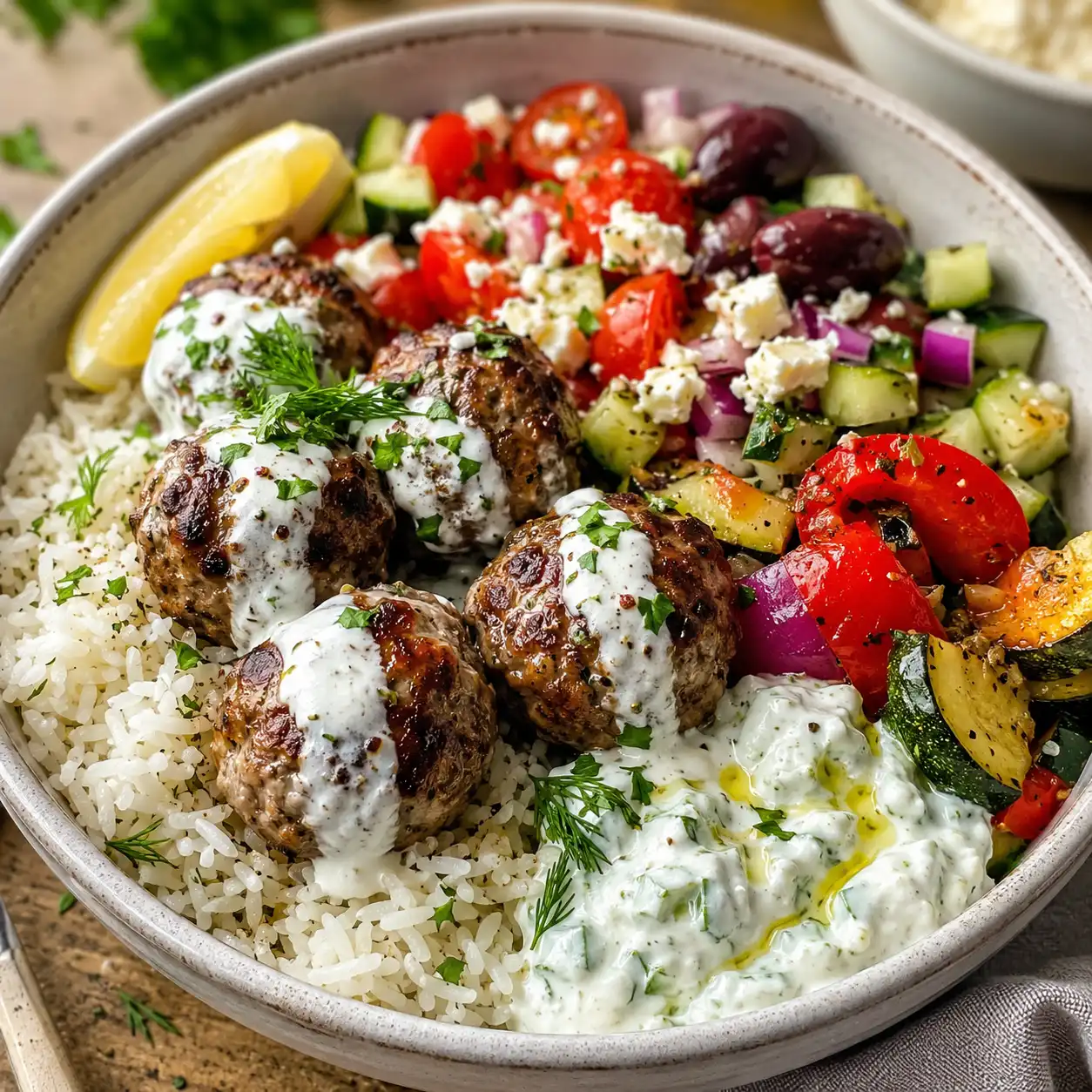
Welcome to a culinary journey that marries the rustic comfort of traditional home cooking with the vibrant, health-conscious ethos of the modern Mediterranean diet. The Mediterranean Meatball Bowl: Tzatziki, Rice & Colourful Veggies Delight is not merely a meal; it is an experience designed to tantalize the taste buds while nourishing the body. Imagine succulent, herb-infused meatballs resting atop a bed of fluffy, aromatic rice, surrounded by a rainbow of crisp, fresh vegetables, all brought together by the cooling, creamy embrace of homemade tzatziki sauce. This dish represents the perfect harmony of textures and flavors—savory, tangy, fresh, and warm—all contained within a single, satisfying bowl.
In today’s fast-paced world, finding a meal that is both quick to prepare and deeply nutritious can be a challenge. This recipe bridges that gap, offering a solution for busy weeknights, meal prep enthusiasts, and anyone seeking to elevate their lunch game. The beauty of this bowl lies in its versatility and balance. It provides high-quality protein from the meatballs, complex carbohydrates from the rice, essential vitamins and fiber from the vegetables, and healthy probiotics from the yogurt-based sauce. Whether you are a seasoned cook looking to expand your repertoire or a beginner eager to try something delicious, this guide will walk you through every nuance of creating the perfect Mediterranean Meatball Bowl.
As we delve into this recipe, we will explore not just the how, but the why behind each ingredient and technique. We will uncover the historical roots of these flavors, break down the nutritional profile to understand how it fuels your body, and provide extensive tips to ensure your execution is flawless. Get ready to transform your kitchen into a Mediterranean haven and enjoy a meal that feels like a vacation on a plate.
The History
To truly appreciate the Mediterranean Meatball Bowl, one must understand the rich tapestry of history woven into its components. The concept of the meatball itself is ancient, with variations found in nearly every culture across the globe. However, in the Mediterranean region, specifically within Greece and the broader Levant, meatballs known as keftedes hold a special place in culinary heritage. Historically, these were a way to stretch expensive meat further by incorporating breadcrumbs, onions, and abundant herbs, making them a staple for families across economic spectrums. The seasoning profiles used in these meatballs—cumin, coriander, mint, and parsley—reflect the ancient trade routes that brought spices from the East to the Mediterranean shores.
The accompanying sauce, tzatziki, has its roots deeply embedded in Greek and Turkish cuisine. Originally derived from the Persian word tazik, meaning “herb yogurt,” this condiment has been served for centuries as a meze or a side dish to cool the palate alongside spicy or grilled meats. The combination of thick strained yogurt, cucumber, garlic, and olive oil is a testament to the region’s agricultural abundance, utilizing dairy from sheep or goats and vegetables grown in the sun-drenched soils of the Aegean.
The concept of the “bowl” as a meal format is a more modern evolution, gaining popularity in the 21st century as a response to the desire for customizable, balanced, and portable meals. However, the essence of the grain bowl is deeply traditional in the Mediterranean, where plates have long been composed of a central protein surrounded by grains, legumes, and salads. By combining the ancient tradition of keftedes and tzatziki with the modern presentation of a grain bowl, this recipe honors the past while embracing the convenience of the present. It is a fusion of historical sustenance and contemporary lifestyle, creating a dish that is both timeless and trendy.
Ingredients Breakdown
Understanding the role of each ingredient is crucial to mastering this recipe. Every component has been selected not just for flavor, but for how it interacts with the other elements in the bowl.
- Ground Meat (Beef and Lamb Mix): While you can use all beef, a combination of beef and lamb offers a deeper, more authentic Mediterranean flavor profile. Lamb adds a distinct gaminess and richness that pairs beautifully with the bright acids in the vegetables. The fat content is also essential; aiming for 15-20% fat ensures the meatballs remain juicy and do not dry out during cooking.
- Aromatic Vegetables (Onion and Garlic): These form the flavor base. Finely grated onion adds moisture and sweetness that caramelizes during cooking, while fresh garlic provides a pungent kick that mellows out as it cooks, infusing the meat with savory depth.
- Herbs (Parsley and Mint): Fresh herbs are non-negotiable for authentic flavor. Parsley adds a grassy, fresh note, while mint provides a surprising cooling effect that complements the lamb and the tzatziki. Dried herbs simply cannot replicate the vibrant oils found in fresh bunches.
- Spices (Cumin, Coriander, Paprika): These warm spices evoke the scent of Mediterranean markets. Cumin provides earthiness, coriander adds a citrusy nuance, and paprika offers a subtle sweetness and color. Together, they create a complex spice blend that defines the character of the meatballs.
- Breadcrumbs and Egg: These are the binders. They prevent the meatballs from becoming too dense and help retain moisture. Using slightly stale bread soaked in milk or water can also create a lighter texture, but dry breadcrumbs offer convenience and consistency.
- Basmati or Jasmine Rice: Long-grain rice is preferred for its fluffy, non-sticky texture when cooked. This ensures the bowl does not become a mushy mass. The grains remain separate, allowing the sauces and juices to coat each one individually.
- Colourful Veggies (Cucumber, Tomato, Red Onion, Olives): These provide the crunch and the acid. Cucumber offers hydration and crunch, tomatoes provide umami and sweetness, red onion adds a sharp bite, and Kalamata olives bring a salty brine that ties the savory elements together.
- Tzatziki Components (Greek Yogurt, Cucumber, Lemon, Dill): The sauce is the glue of the bowl. Full-fat Greek yogurt provides creaminess and protein. Grated and drained cucumber prevents the sauce from becoming watery. Lemon juice adds necessary acidity to cut through the richness of the meat, and dill offers a unique anise-like flavor profile specific to this region.
Step-by-Step Recipe
Creating this dish is a process of layering flavors and textures. We begin by preparing the components that require time to develop, such as the tzatziki, allowing the flavors to meld while you work on the main elements.
Phase 1: The Foundation (Tzatziki and Rice)
Start by making the tzatziki sauce. This needs time to rest in the refrigerator so the garlic infuses the yogurt and the flavors harmonize. Grate your cucumber and, crucially, salt it and let it sit for ten minutes. Squeeze out every drop of excess water using a clean kitchen towel; this prevents a watery sauce. Mix the cucumber with thick Greek yogurt, minced garlic, lemon juice, olive oil, and fresh dill. Season with salt and pepper, then cover and refrigerate. Simultaneously, rinse your rice thoroughly to remove excess starch. Cook the rice according to package instructions, preferably using a broth instead of water for added flavor. Once cooked, let it rest covered for five minutes, then fluff with a fork to ensure lightness.
Phase 2: The Star (Meatballs)
While the rice cooks, prepare the meatball mixture. In a large bowl, combine the ground meat, grated onion, garlic, herbs, spices, breadcrumbs, and egg. Use your hands to mix gently; overworking the meat can lead to tough, dense balls. Once combined, roll the mixture into uniform sizes, roughly the size of a golf ball. This ensures even cooking. Heat a large skillet with olive oil over medium-high heat. Sear the meatballs on all sides until a deep brown crust forms. This Maillard reaction is essential for flavor. Once seared, you can finish cooking them in the oven or simmer them gently in a bit of tomato sauce to ensure they are cooked through without burning the exterior.
Phase 3: The Fresh Elements (Veggies)
Chop your vegetables just before assembly to maintain their crispness. Dice the cucumbers and tomatoes into bite-sized pieces. Slice the red onion thinly; if the onion is too sharp, soak the slices in cold water for ten minutes to mellow the bite. Pit and halve the olives. Arrange these in separate piles or mix them together in a fresh salad depending on your preference for organization versus integration.
Phase 4: Assembly
To assemble the bowl, start with a base of the fluffy rice. Arrange the hot meatballs on top or to the side. Add the colorful vegetable mix generously. Drizzle with extra virgin olive oil and a squeeze of fresh lemon juice. Finally, dollop a generous amount of the chilled tzatziki over the hot meatballs. The contrast between the hot meat and cold sauce is a key sensory element of this dish. Garnish with extra fresh herbs or a sprinkle of sumac for a final touch of color and tang.
Tips
To elevate your Mediterranean Meatball Bowl from good to exceptional, consider these professional tips and tricks gathered from years of culinary experimentation.
- Moisture Management: The most common mistake with meatballs is dryness. Ensure your onion is grated finely enough to release its juices into the meat mix. Additionally, do not skip the step of squeezing the water out of the cucumber for the tzatziki, or your sauce will dilute the flavors of the bowl.
- Temperature Contrast: Serve the meatballs and rice hot, but keep the tzatziki and vegetables cold. This thermal contrast enhances the eating experience, making each bite more dynamic.
- Resting the Meat: If time permits, let your raw meatball mixture rest in the refrigerator for 30 minutes before shaping. This allows the breadcrumbs to absorb the moisture and the flavors to penetrate the meat, resulting in a more cohesive and flavorful ball.
- Rice Texture: To prevent mushy rice, rinse it until the water runs clear before cooking. After cooking, let it sit off the heat with the lid on for 10 minutes. This steaming process finishes the cooking gently and ensures separate grains.
- Acid Balance: If the bowl feels too heavy or rich, add more lemon juice. Acid is the secret weapon in Mediterranean cooking that wakes up the other flavors and cuts through the fat of the meat and yogurt.
- Batch Cooking: Meatballs freeze exceptionally well. You can double the recipe and freeze the cooked meatballs for up to three months. Thaw them overnight in the fridge and reheat gently in the oven to maintain texture.
- Oil Quality: Use high-quality extra virgin olive oil for the finishing drizzle. The fruity, peppery notes of good olive oil cannot be replicated by generic cooking oils and will significantly impact the final taste.
Variations and Customizations
One of the greatest strengths of this recipe is its adaptability. Whether you have dietary restrictions or simply want to experiment with different flavor profiles, this bowl can be customized to suit your needs.
- Protein Swaps: For a lighter option, substitute the beef and lamb with ground chicken or turkey. For a vegetarian or vegan version, use cooked lentils, mashed chickpeas, or a plant-based ground meat alternative. Bind vegan meatballs with flax eggs instead of chicken eggs.
- Grain Alternatives: While rice is traditional, you can swap it for quinoa, couscous, or farro for a different texture and nutritional profile. Cauliflower rice is an excellent low-carb or keto-friendly option that absorbs the sauces beautifully.
- Spice Level: If you enjoy heat, add crushed red pepper flakes or a dash of cayenne pepper to the meatball mixture. You can also swirl some harissa paste into the tzatziki for a spicy, smoky kick.
- Vegetable Add-ons: Feel free to roast some eggplant or zucchini and add them to the bowl for extra depth. Pickled red onions or pepperoncini peppers can add a tangy crunch that complements the fresh vegetables.
- Dairy-Free: To make the dish dairy-free, substitute the Greek yogurt in the tzatziki with a thick, unsweetened coconut yogurt or a specialized almond-based yogurt. Ensure it is plain to avoid conflicting sweet flavors.
- Gluten-Free: Ensure your breadcrumbs are gluten-free or substitute them with crushed gluten-free crackers or almond flour. Most other ingredients in this recipe are naturally gluten-free.
- Meal Prep Style: For meal prep, keep the tzatziki in a separate small container to prevent the rice and veggies from getting soggy during the week. Assemble the bowl just before eating for the best texture.
Health Considerations and Nutritional Value
The Mediterranean Meatball Bowl is not just delicious; it is a powerhouse of nutrition aligned with the principles of the Mediterranean Diet, which is consistently ranked as one of the healthiest eating patterns in the world.
Macronutrient Balance: This bowl offers a complete macronutrient profile. The meatballs provide high-quality protein essential for muscle repair and satiety. The rice offers complex carbohydrates that provide sustained energy release throughout the day. The olive oil and meat fats provide necessary dietary fats for hormone regulation and nutrient absorption.
Micronutrients: The colorful vegetables are rich in vitamins and antioxidants. Tomatoes are high in lycopene, which supports heart health. Cucumbers provide hydration and vitamin K. Red onions contain quercetin, an antioxidant with anti-inflammatory properties. The herbs contribute vitamin C and iron.
Gut Health: The Greek yogurt in the tzatziki is a source of probiotics, which support a healthy gut microbiome. A healthy gut is linked to improved immunity and mental health. The garlic in both the meatballs and the sauce contains allicin, known for its antimicrobial and immune-boosting properties.
Heart Health: By using leaner meat mixes and emphasizing olive oil over processed fats, this dish supports cardiovascular health. The inclusion of fiber from the vegetables and whole grains helps manage cholesterol levels and blood sugar spikes.
Caloric Density: This is a nutrient-dense meal, meaning it provides a high amount of nutrients relative to its calorie count. It is filling and satisfying, which can help prevent overeating later in the day. Portion control can be easily managed by adjusting the amount of rice or the size of the meatballs.
Ingredients
- For the Meatballs:
- 1 lb ground beef (85% lean)
- 1/2 lb ground lamb
- 1/2 cup finely grated onion
- 3 cloves garlic, minced
- 1/2 cup fresh parsley, chopped
- 1/4 cup fresh mint, chopped
- 1/2 cup breadcrumbs
- 1 large egg
- 1 tsp ground cumin
- 1 tsp ground coriander
- 1 tsp paprika
- Salt and black pepper to taste
- 2 tbsp olive oil for cooking
- For the Tzatziki:
- 1 cup Greek yogurt (full fat)
- 1/2 cucumber, grated and drained
- 1 clove garlic, minced
- 1 tbsp fresh dill, chopped
- 1 tbsp lemon juice
- 1 tbsp olive oil
- Salt to taste
- For the Bowl:
- 1 cup basmati rice, uncooked
- 2 cups water or broth
- 1 cup cherry tomatoes, halved
- 1/2 cucumber, diced
- 1/4 red onion, thinly sliced
- 1/4 cup Kalamata olives, pitted
- Lemon wedges for serving
- Extra virgin olive oil for drizzling
Directions
- Prepare the Tzatziki: Grate the cucumber and place it in a sieve. Sprinkle with salt and let sit for 10 minutes. Squeeze out excess moisture using a kitchen towel. In a bowl, mix the yogurt, drained cucumber, garlic, dill, lemon juice, olive oil, and salt. Refrigerate until ready to serve.
- Cook the Rice: Rinse the rice under cold water until the water runs clear. Combine rice and water/broth in a pot. Bring to a boil, reduce heat to low, cover, and simmer for 15-18 minutes. Remove from heat and let stand covered for 5 minutes. Fluff with a fork.
- Make the Meatball Mixture: In a large bowl, combine ground beef, lamb, grated onion, garlic, parsley, mint, breadcrumbs, egg, cumin, coriander, paprika, salt, and pepper. Mix gently with hands until just combined.
- Shape the Meatballs: Roll the mixture into 1.5-inch balls. You should get approximately 20-24 meatballs.
- Cook the Meatballs: Heat olive oil in a large skillet over medium-high heat. Add meatballs in batches, ensuring not to overcrowd the pan. Sear on all sides until browned (about 6-8 minutes total). Reduce heat, cover, and cook for another 5-7 minutes until cooked through (internal temperature of 165°F). Alternatively, finish in a 375°F oven for 15 minutes.
- Prepare the Veggies: While meatballs cook, chop the tomatoes, dice the cucumber, slice the red onion, and prepare the olives.
- Assemble the Bowls: Divide the rice among serving bowls. Top with meatballs and arrange the vegetables around the sides. Dollop with tzatziki sauce.
- Serve: Drizzle with extra virgin olive oil, add a squeeze of fresh lemon juice, and serve immediately with lemon wedges on the side.
FAQ
Can I make these meatballs ahead of time?
Yes, you can prepare the meatball mixture and shape them up to 24 hours in advance. Keep them covered in the refrigerator until you are ready to cook. This actually helps the flavors meld together.
How do I store leftovers?
Store the components separately if possible. Keep the meatballs and rice in one airtight container and the fresh vegetables and tzatziki in another. They will stay fresh in the refrigerator for up to 3-4 days. Reheat the meat and rice before adding the cold toppings.
Can I freeze the meatballs?
Absolutely. Cooked meatballs freeze well for up to 3 months. Let them cool completely before placing them in a freezer-safe bag or container. Thaw in the refrigerator overnight before reheating.
What can I use instead of lamb?
If you do not enjoy the flavor of lamb or cannot find it, you can use all ground beef. For a lighter option, ground turkey or chicken works well, though you may need to add a bit more oil or moisture to prevent dryness.
Is this recipe gluten-free?
It can be easily made gluten-free by using gluten-free breadcrumbs or almond flour as a binder. Ensure all spices and broths used are certified gluten-free as well.
Why is my tzatziki watery?
This usually happens if the cucumber isn’t drained properly. Make sure to salt the grated cucumber and squeeze out as much liquid as possible using a towel before mixing it with the yogurt.
Can I make this vegetarian?
Yes, substitute the meat with a mixture of cooked lentils, mashed chickpeas, and walnuts. Use a flax egg (1 tbsp ground flaxseed mixed with 3 tbsp water) instead of a chicken egg to bind the mixture.
Summary
This Mediterranean Meatball Bowl combines savory herb-infused meatballs, fluffy rice, and fresh vegetables with cooling tzatziki for a balanced meal.
It is a versatile, nutrient-dense dish that honors traditional flavors while offering modern convenience and health benefits.