Introduction
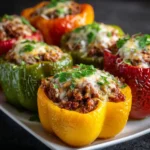
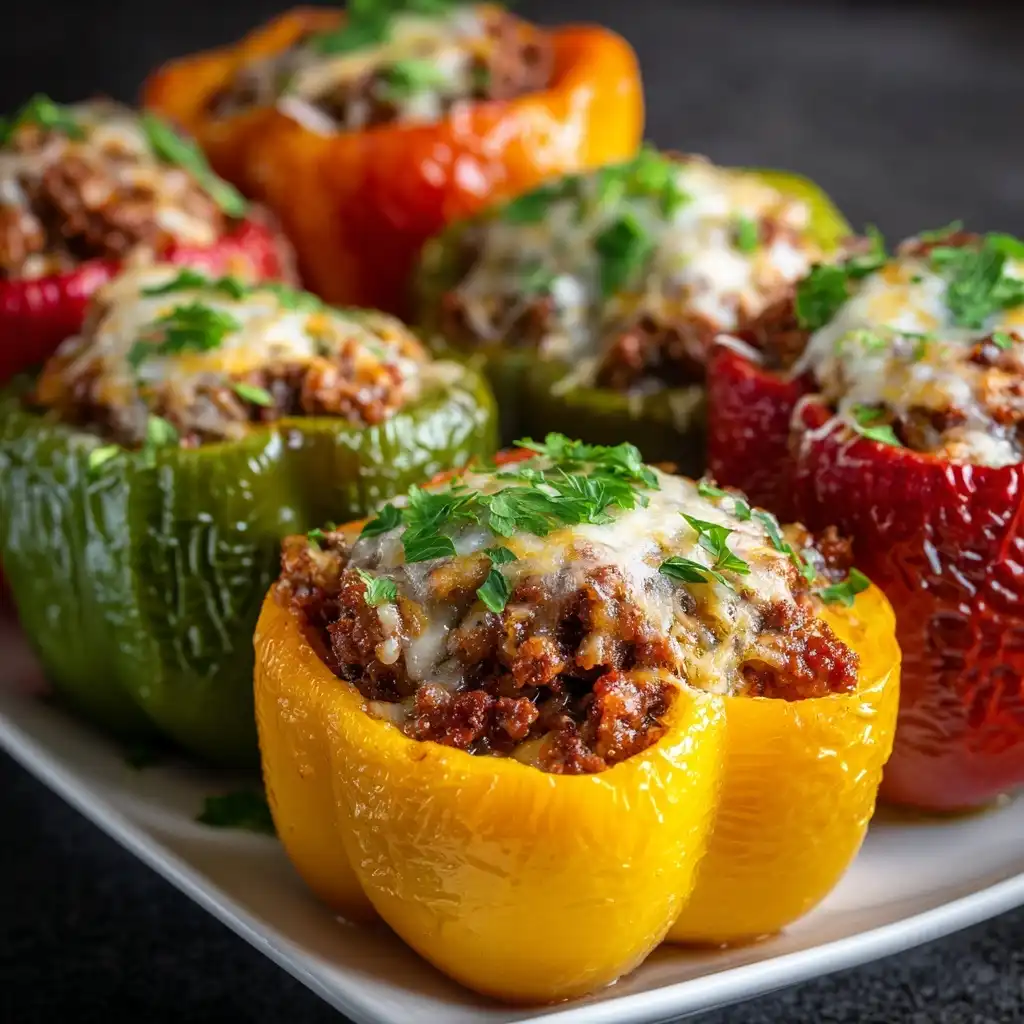
Stuffed Bell Peppers with Ground Beef are a timeless, family-friendly classic—vibrant, hearty, and endlessly adaptable. This beloved dish transforms humble bell peppers into edible bowls brimming with savory, herb-infused ground beef, aromatic vegetables, tender rice (or grain alternative), melted cheese, and rich tomato-based seasoning. Whether served for weeknight dinners, holiday gatherings, or meal-prepped lunches, stuffed peppers deliver balanced nutrition, bold flavor, and visual appeal—all while offering remarkable flexibility to suit dietary preferences, cultural influences, and seasonal ingredients. Their comforting warmth, satisfying texture contrast, and make-ahead convenience have cemented their place in American home kitchens—and across global culinary traditions—for generations.
The History
The origins of stuffed peppers trace back centuries and span continents—reflecting humanity’s universal instinct to repurpose whole vegetables as vessels for nourishing fillings. Ancient Roman cookbooks like Apicius (1st century CE) included recipes for stuffed cabbage and squash, while Ottoman-era Turkish cuisine featured *biber dolması*, using green or red peppers filled with spiced rice, pine nuts, currants, and herbs—a tradition still central to modern Turkish and Balkan tables. In Eastern Europe, Hungarian *töltött paprika* features minced meat, onions, paprika, and rice baked in sweet peppers, often finished with a sour cream–tomato sauce. The American iteration evolved significantly in the early-to-mid 20th century, shaped by waves of immigration, wartime rationing (which encouraged creative use of affordable ground beef and garden-grown peppers), and the rise of convenience cooking—especially after the introduction of pre-cooked rice and canned tomatoes in the 1930s–40s. By the 1950s, stuffed peppers appeared regularly in women’s magazines, community cookbooks, and TV cooking segments as a symbol of wholesome, modern homemaking. Today, they remain a staple in dietitian-recommended meal plans, freezer-aisle frozen food lines, and gourmet restaurant menus alike—proving that this ancient concept continues to evolve with cultural relevance and culinary ingenuity.
Ingredients Breakdown
Each component of Stuffed Bell Peppers plays a distinct functional and sensory role—contributing structure, moisture, umami, aroma, texture, and nutritional balance. Understanding these roles empowers cooks to improvise confidently:
- Bell Peppers (4 large, preferably red, yellow, or orange): Provide natural sweetness, vibrant color, crisp-tender structure, and vitamin C (one large red pepper contains over 160% of the daily value). Choose thick-walled, uniform peppers with flat bottoms to stand upright during baking. Avoid green peppers if seeking maximum sweetness—they’re less mature and more bitter.
- Ground Beef (1½ lbs, 85/15 or 90/10 lean-to-fat ratio): Delivers rich umami, protein, iron (heme iron, highly bioavailable), and fat for moisture and flavor carry. Leaner blends reduce saturated fat but may yield drier results—compensate with extra broth or grated zucchini.
- Aromatics (1 medium yellow onion, finely diced; 3 garlic cloves, minced): Form the foundational “soffritto” base—onion adds sweetness and body; garlic contributes pungent depth that mellows beautifully when sautéed.
- Vegetables (1 cup finely diced carrots + 1 cup finely diced zucchini or mushrooms): Boost fiber, micronutrients, and moisture retention. Carrots add subtle earth-sweetness and beta-carotene; zucchini lends tenderness and water content; mushrooms contribute meaty umami and B vitamins.
- Cooked Grain (1½ cups cooked long-grain white rice, brown rice, quinoa, or cauliflower rice): Acts as a binding “sponge,” absorbing juices and providing textural contrast. White rice offers neutral flavor and fluffy consistency; brown rice adds nuttiness and extra fiber; quinoa enhances protein completeness; riced cauliflower reduces carbs while maintaining bulk.
- Tomato Component (1 (15 oz) can crushed tomatoes + 2 tbsp tomato paste): Provides acidity, lycopene (a potent antioxidant enhanced by cooking), depth, and cohesive sauciness. Tomato paste, when bloomed in oil, intensifies umami and adds caramelized richness.
- Liquid (½ cup low-sodium beef or vegetable broth): Ensures moist filling and creates steam during baking—critical for tenderizing peppers and preventing dryness. Low-sodium versions allow precise salt control.
- Herbs & Spices (1 tsp dried oregano, 1 tsp dried basil, ½ tsp smoked paprika, ¼ tsp red pepper flakes [optional], 1½ tsp kosher salt, ½ tsp black pepper): Layer complexity—oregano and basil lend Mediterranean brightness; smoked paprika adds warmth and depth; red pepper flakes offer gentle heat; salt amplifies all flavors; black pepper contributes volatile aromatics.
- Cheese (1 cup shredded mozzarella + ½ cup grated Parmesan or Romano): Mozzarella melts luxuriously for gooey pull; Parmesan adds salty, nutty, umami punch and helps brown the top. Freshly grated melts more evenly than pre-shredded (which contains anti-caking starches).
- Finishing Touches (2 tbsp fresh parsley, chopped; optional: drizzle of balsamic glaze or lemon zest): Bright, herbal freshness cuts through richness; acid finishes elevate overall balance.
Step-by-Step Recipe
- Prep the Peppers: Preheat oven to 375°F (190°C). Slice off the tops of 4 large bell peppers (reserve tops). Carefully remove seeds and white membranes—use a small spoon or paring knife. Rinse thoroughly under cold water and gently pat dry inside and out. Optional step: Blanch peppers for 3–4 minutes in boiling water to soften slightly and reduce final bake time—this also helps them hold shape better. Drain well and set upright in a lightly greased 9×13-inch baking dish.
- Cook the Filling Base: Heat 2 tbsp olive oil in a large skillet or Dutch oven over medium heat. Add diced onion and carrots; sauté 5–6 minutes until softened and translucent. Stir in minced garlic and cook 1 minute until fragrant—do not brown. Add ground beef, breaking it apart with a wooden spoon. Cook until no pink remains (8–10 minutes), stirring occasionally to crumble evenly. Drain excess fat if desired (though retaining 1–2 tsp enhances flavor).
- Build Flavor & Texture: Stir in tomato paste and cook 2 minutes, stirring constantly—this “blooms” the paste, deepening its sweetness and umami. Add crushed tomatoes, broth, dried herbs, smoked paprika, red pepper flakes, salt, and black pepper. Bring to a gentle simmer, reduce heat to low, and cook uncovered for 8–10 minutes, stirring occasionally, allowing flavors to meld and liquid to reduce slightly (mixture should be moist but not soupy).
- Incorporate Vegetables & Grain: Fold in diced zucchini (or mushrooms) and cook 3–4 minutes until just tender. Remove from heat. Stir in cooked rice (or grain of choice) and ¾ cup of the mozzarella plus all the Parmesan. Let cool 5 minutes—this prevents the cheese from seizing or making the mixture too wet. Taste and adjust seasoning—add more salt, acid (a splash of Worcestershire or apple cider vinegar), or sweetness (½ tsp brown sugar) as needed.
- Stuff & Arrange: Spoon filling generously into each pepper—press down gently to compact but avoid overstuffing (leave ~½ inch space at top to allow for expansion). Tuck reserved pepper tops beside or on top of stuffed peppers. Pour any remaining filling juices or ¼ cup additional broth into the bottom of the baking dish—this creates steam and prevents drying.
- Bake Covered: Cover dish tightly with aluminum foil (tent if necessary to prevent cheese from touching foil). Bake for 45 minutes—this gently steams the peppers, softening walls while cooking filling through.
- Uncover & Finish: Carefully remove foil. Sprinkle remaining ¼ cup mozzarella evenly over tops. Return to oven, uncovered, for 12–15 minutes until cheese is bubbly and golden at edges, peppers are fork-tender (a knife should slide in easily), and internal filling temperature reaches 165°F (74°C).
- Rest & Serve: Let rest 10 minutes before serving—this allows juices to redistribute and filling to set, preventing spillage. Garnish with fresh parsley. Optional: Drizzle with balsamic reduction, lemon zest, or a dollop of Greek yogurt or tzatziki for brightness and creaminess.
Tips
- Selecting Peppers: Choose firm, glossy peppers with deep, even color and heavy weight for size—indicating thickness and juiciness. Avoid soft spots, wrinkles, or dull skin. For uniform cooking, select peppers of similar size and shape.
- Preventing Sogginess: After coring, gently pat interiors *very* dry with paper towels. Excess water dilutes filling and steams peppers instead of roasting them. If blanching, shock in ice water then drain and dry thoroughly.
- Flavor Layering Secret: Sauté tomato paste *before* adding liquids—it unlocks concentrated, caramelized flavor otherwise lost. Similarly, “bloom” dried spices (paprika, oregano) in warm oil for 30 seconds before adding liquids to awaken volatile oils.
- Moisture Control Mastery: If filling seems too wet after mixing, let it sit 5 minutes—rice will absorb excess. Too dry? Stir in 1–2 tbsp broth or tomato juice. For extra insurance, line baking dish with parchment before adding peppers—it catches drips and simplifies cleanup.
- Even Cooking Hack: Place smaller peppers in center of dish, larger ones toward edges—heat circulates more evenly. Rotate dish halfway through covered bake if your oven has hot spots.
- Cheese Strategy: Mix most cheese *into* filling for flavor distribution; reserve some for topping for visual appeal and textural contrast. For extra browning, switch oven to broil for last 1–2 minutes—watch closely!
- Make-Ahead Magic: Assemble up to 24 hours ahead: stuff peppers, cover tightly, refrigerate. Add 5–10 minutes to covered bake time. Or freeze unbaked stuffed peppers (wrap individually in plastic + foil) for up to 3 months—thaw overnight in fridge before baking.
- Reheating Right: To retain texture, reheat covered in 350°F oven for 20–25 minutes (add splash of broth if dry) rather than microwaving, which can make peppers rubbery and cheese greasy.
Variations and Customizations
This recipe is a canvas—celebrating regional flavors, dietary needs, pantry availability, and personal taste. Here’s how to reimagine it:
- Mediterranean Style: Swap beef for ground lamb or turkey; use bulgur wheat instead of rice; add crumbled feta, Kalamata olives, chopped mint, lemon zest, and a pinch of cinnamon. Top with tzatziki.
- Mexican-Inspired: Use ground turkey or chorizo; replace oregano/basil with cumin, chili powder, and chipotle in adobo; mix in black beans, corn, and lime juice; top with pepper jack, avocado slices, cilantro, and pickled red onions.
- Low-Carb/Keto: Replace rice with riced cauliflower (sauté first to remove moisture); increase cheese and add almond flour or ground flaxseed as binder; use full-fat dairy and bacon fat for sautéing.
- Vegan/Vegetarian: Substitute beef with lentils (brown or green, cooked until tender), crumbled tempeh, or textured vegetable protein (TVP) rehydrated in veggie broth; use nutritional yeast instead of Parmesan; boost umami with soy sauce, miso, or liquid smoke.
- Italian-American “Pepper & Meatball” Fusion: Add ¼ cup grated Pecorino Romano and 1 egg to filling for binding; include ½ tsp fennel seed and 1 tbsp chopped fresh basil; serve with marinara on the side and extra cheese.
- Breakfast-Stuffed: Use ground pork sausage; mix in scrambled eggs, cheddar, spinach, and diced potatoes; season with sage and thyme; bake until eggs are fully set.
- Gourmet Mushroom & Farro: Replace beef with finely chopped cremini and shiitake mushrooms sautéed in butter; use cooked farro for nutty chew; add thyme, shallots, and truffle oil finish.
- Spice-Forward Global: For Thai flair: swap beef for ground chicken; use jasmine rice; add lemongrass paste, ginger, fish sauce, lime leaf, and top with cashews and cilantro. For Indian twist: use ghee, garam masala, ginger-garlic paste, peas, and paneer instead of mozzarella.
Health Considerations and Nutritional Value
A single serving (1 stuffed pepper, approx. 1¾ cups filling + pepper) provides a well-rounded macro- and micronutrient profile—especially when prepared mindfully. Using 90/10 ground beef, brown rice, and generous vegetables yields approximately:
- Calories: 420–480 kcal
- Protein: 28–32g (complete, high-bioavailability animal protein supporting muscle maintenance and satiety)
- Fat: 14–18g (mostly unsaturated from olive oil and lean beef; includes conjugated linoleic acid [CLA] linked to metabolic benefits)
- Carbohydrates: 42–48g (fiber-rich from peppers, carrots, zucchini, and whole grains—typically 8–12g total fiber, promoting digestive health and stable blood sugar)
- Vitamins & Minerals: Exceptionally high in Vitamin C (200% DV), Vitamin A (120% DV from beta-carotene), Vitamin B6, folate, potassium (supports blood pressure regulation), iron (heme iron for optimal absorption), and lycopene (a powerful antioxidant associated with reduced risk of heart disease and certain cancers).
Dietary Adaptations:
- Lower Sodium: Use no-salt-added tomatoes and broth; omit added salt initially and season with herbs, citrus, vinegar, or spice blends instead.
- Heart-Healthy: Opt for leaner beef (93/7) or ground turkey; increase vegetables to 1.5x; use minimal cheese or choose part-skim mozzarella; emphasize olive oil over butter.
- Gluten-Free: Naturally GF—just verify broth and tomato products are certified gluten-free (some brands use wheat-derived vinegar or thickeners).
- Pregnancy-Safe: Ensure beef is cooked to 165°F; avoid raw sprouts or unpasteurized cheeses if topping; excellent source of iron and folate—key prenatal nutrients.
- Kid-Friendly Nutrition: Sneak in pureed spinach or butternut squash into filling; use mild spices; pair with fruit and yogurt for balanced meal.
Considerations: While nutritious, portion awareness matters—especially for those managing calorie intake or sodium-sensitive conditions (e.g., hypertension). Limit added cheese and high-sodium condiments. Those with irritable bowel syndrome (IBS) may find large portions of raw onion/garlic or cruciferous veggies challenging—consider reducing or substituting with roasted shallots or fennel.
Ingredients
- 4 large bell peppers (red, yellow, or orange preferred), tops sliced off and reserved, seeds/membranes removed
- 2 tablespoons extra-virgin olive oil
- 1 medium yellow onion, finely diced
- 1 cup finely diced carrots
- 3 garlic cloves, minced
- 1½ pounds 85/15 or 90/10 ground beef
- 2 tablespoons tomato paste
- 1 (15-ounce) can crushed tomatoes (no salt added preferred)
- ½ cup low-sodium beef or vegetable broth
- 1 teaspoon dried oregano
- 1 teaspoon dried basil
- ½ teaspoon smoked paprika
- ¼ teaspoon red pepper flakes (optional)
- 1½ teaspoons kosher salt (adjust to taste)
- ½ teaspoon freshly ground black pepper
- 1 cup finely diced zucchini or cremini mushrooms
- 1½ cups cooked long-grain white rice, brown rice, quinoa, or riced cauliflower
- 1 cup shredded part-skim mozzarella cheese, divided
- ½ cup grated Parmesan or Romano cheese
- 2 tablespoons fresh flat-leaf parsley, chopped (for garnish)
- Optional finishing touches: balsamic glaze, lemon zest, Greek yogurt, or avocado slices
Directions
- Preheat oven to 375°F (190°C). Lightly grease a 9×13-inch baking dish. Prepare peppers by slicing off tops, removing seeds and membranes, rinsing, and patting dry thoroughly inside and out. Set upright in dish; reserve tops.
- In a large skillet or Dutch oven over medium heat, warm olive oil. Add onion and carrots; sauté 5–6 minutes until softened. Stir in garlic; cook 1 minute until fragrant.
- Add ground beef. Cook 8–10 minutes, breaking apart with a spoon, until no pink remains. Drain excess fat if desired (retain 1–2 tsp for flavor).
- Stir in tomato paste; cook 2 minutes, stirring constantly. Add crushed tomatoes, broth, oregano, basil, smoked paprika, red pepper flakes, salt, and black pepper. Simmer uncovered 8–10 minutes until slightly thickened.
- Fold in zucchini (or mushrooms); cook 3–4 minutes until tender. Remove from heat. Stir in cooked rice, ¾ cup mozzarella, and all Parmesan. Cool 5 minutes. Taste and adjust seasoning.
- Spoon filling into peppers, pressing gently to compact. Leave ½-inch space at top. Place reserved pepper tops beside or atop peppers. Pour any excess juices or ¼ cup additional broth into dish bottom.
- Cover dish tightly with foil. Bake 45 minutes.
- Remove foil. Sprinkle remaining ¼ cup mozzarella over tops. Bake uncovered 12–15 minutes until cheese is golden and bubbly and peppers are tender (test with knife).
- Rest 10 minutes. Garnish with parsley. Serve warm, optionally drizzled with balsamic glaze or lemon zest.
FAQ
- Can I make these ahead of time?
- Absolutely! Assemble up to 24 hours in advance, cover tightly, and refrigerate. Add 5–10 minutes to the covered bake time. For longer storage, freeze unbaked stuffed peppers (wrap individually in plastic wrap + heavy-duty foil) for up to 3 months. Thaw overnight in the refrigerator before baking.
- Why do my peppers get watery or soggy?
- Excess moisture comes from three main sources: un-dried pepper interiors, under-drained beef, or too much liquid in the filling. Always pat peppers *very* dry after rinsing. Drain beef well (or blot with paper towels). Simmer tomato mixture until thickened—not soupy—before mixing in rice. Blanching peppers first can also help them release water *before* baking, not during.
- Can I use ground turkey or chicken instead of beef?
- Yes—but note turkey/chicken are leaner and drier. Boost moisture by adding 1 extra tablespoon olive oil or 2 tbsp grated zucchini to the filling. Increase herbs and umami agents (soy sauce, Worcestershire, mushroom powder) to compensate for milder flavor.
- What’s the best rice to use?
- Long-grain white rice yields light, fluffy texture and neutral flavor. Brown rice adds fiber and nuttiness but requires longer cooking (ensure fully tender before mixing). Quinoa offers complete protein and quick cook time. For low-carb, use well-squeezed riced cauliflower (sauté first to evaporate water).
- My filling fell apart—how do I make it hold together better?
- Binding relies on moisture absorption and gentle compaction. Use rice cooked al dente (slightly underdone), let filling cool before stuffing, and press filling in firmly but carefully. Adding 1 lightly beaten egg or 2 tbsp grated Parmesan can enhance cohesion—especially for leaner meats or grain-free versions.
- Can I cook these in a slow cooker or Instant Pot?
- Yes! For slow cooker: Place stuffed peppers upright in insert. Pour ½ cup broth around (not over) them. Cook on LOW 4–5 hours or HIGH 2–2.5 hours, until peppers are tender. Add cheese in last 15 minutes. For Instant Pot: Use trivet with 1 cup water below. Place peppers on trivet. Pressure cook on HIGH 12 minutes (natural release 10 min), then broil cheese.
- How do I store and reheat leftovers?
- Cool completely, then store in airtight container for up to 4 days refrigerated or 3 months frozen. Reheat covered in 350°F oven for 20–25 minutes (add broth splash if dry). Avoid microwaving whole peppers—they become rubbery; instead, microwave filling separately and serve alongside roasted pepper halves.
- Are the pepper tops edible?
- Yes! They’re tender and flavorful. Chop and sauté them with onions for a flavor-packed base, blend into sauce, or roast alongside peppers for garnish.
Summary
Stuffed Bell Peppers with Ground Beef are a nutritionally robust, globally inspired comfort classic—melding vibrant vegetables, lean protein, whole grains, and aromatic herbs into a visually stunning, deeply satisfying meal that’s endlessly customizable for dietary needs and flavor preferences.
With smart prep techniques, mindful ingredient swaps, and an understanding of flavor layering and moisture control, this dish transitions seamlessly from weeknight simplicity to special-occasion elegance—proving that humble ingredients, when thoughtfully combined, create extraordinary culinary resonance across generations and cultures.