Introduction
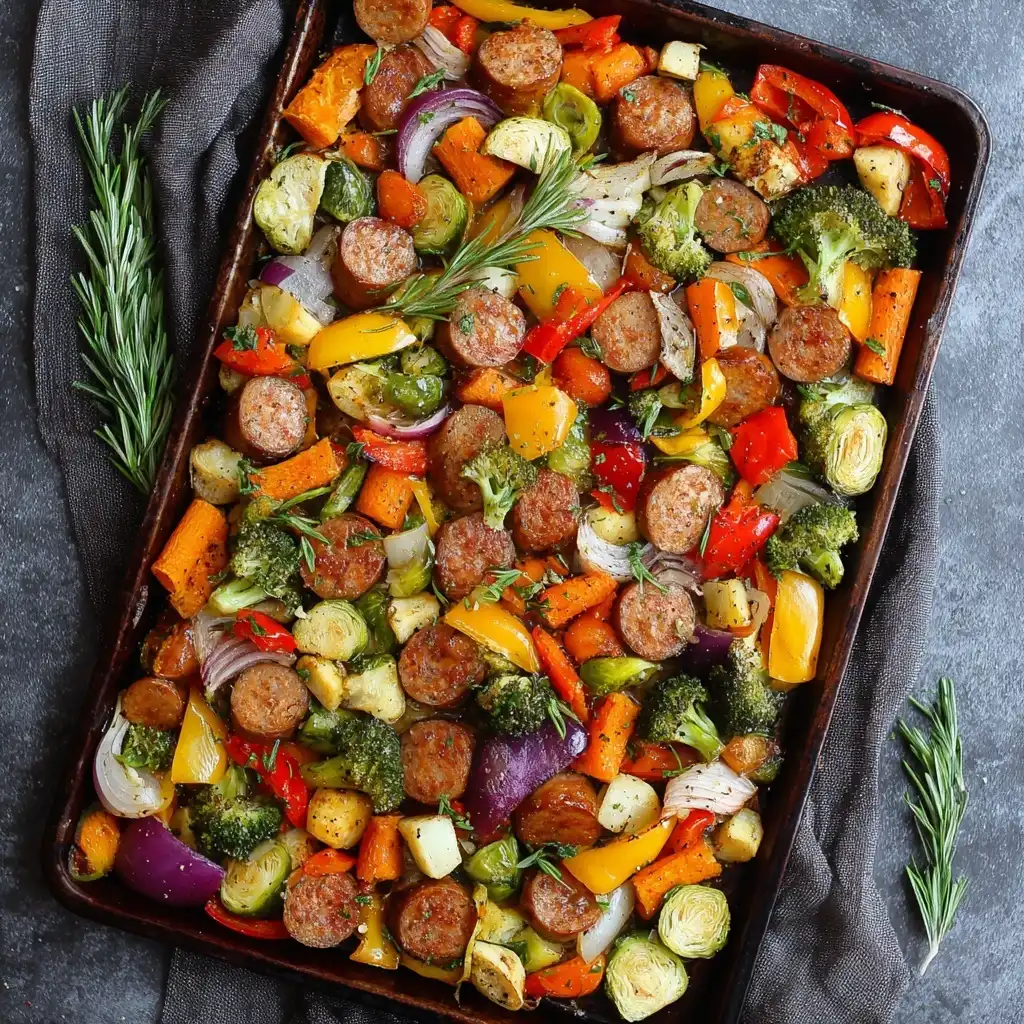
Sheet Pan Sausage and Veggies is the quintessential weeknight hero—simple, satisfying, and spectacularly low-effort. This one-pan wonder transforms humble ingredients into a vibrant, flavorful, and nutritionally balanced meal with minimal prep, zero fuss, and almost no cleanup. Whether you’re a busy parent juggling soccer practice and dinner prep, a college student mastering your first kitchen appliance, or a seasoned home cook seeking elegant simplicity, this dish delivers every time. Its magic lies not in complexity but in thoughtful layering of textures, harmonious roasting times, and the natural synergy between savory sausages and caramelized seasonal vegetables. It’s rustic yet refined, adaptable yet reliable—and above all, deeply comforting.
The History
While sheet pan cooking has ancient roots—think Roman hearth-roasted meats and vegetables on clay or iron surfaces—the modern Sheet Pan Sausage and Veggies phenomenon emerged organically from the convergence of several culinary movements. The rise of the air fryer and convection oven in the early 2010s emphasized high-heat, fast-roasting techniques ideal for sheet pans. Simultaneously, the “clean-eating” wave spotlighted whole-food, minimally processed meals, making sausage (especially artisanal, nitrate-free varieties) and colorful produce a natural pairing. Food bloggers and meal-prep influencers in the mid-2010s began sharing viral “dump-and-roast” recipes that prioritized visual appeal, hashtag-friendly ease (#SheetPanDinner), and family-friendly flexibility—quickly cementing this format as a cornerstone of contemporary home cooking. Though not tied to a single origin story or region, its spirit echoes Mediterranean mezze platters, German *Bratwurst mit Gemüse*, and American Midwestern farm-kitchen practicality—blending global technique with local accessibility.
Ingredients Breakdown
Every exceptional Sheet Pan Sausage and Veggies dish begins with intention—not just quantity, but quality, balance, and purpose. Here’s how each component contributes:
- Sausage: The savory anchor. Choose high-quality links with clean ingredient lists—look for pasture-raised pork, grass-fed beef, or humanely raised poultry. Italian, chorizo, smoked kielbasa, maple breakfast sausage, or even plant-based alternatives bring distinct flavor profiles. Fat content matters: 15–20% fat ensures juiciness and bastes the veggies as it renders.
- Root Vegetables (e.g., potatoes, sweet potatoes, carrots, parsnips): Provide hearty texture, natural sweetness, and structural integrity. Diced uniformly (¾-inch cubes) ensures even roasting. Starchier varieties like Yukon Golds crisp beautifully; denser ones like carrots benefit from slightly longer initial roasting or parboiling.
- Medium-Density Veggies (e.g., bell peppers, red onions, zucchini, summer squash, broccoli florets): Add color, crunch, and nuanced flavor. Added midway through roasting (or cut slightly larger) prevents mushiness. Their natural sugars caramelize under high heat, enhancing depth.
- Aromatics & Seasonings: Fresh garlic (minced or sliced), shallots, and fresh herbs like rosemary, thyme, or oregano infuse layers of fragrance. Smoked paprika, fennel seed, mustard powder, or crushed red pepper add complexity without overpowering.
- Fats: High-smoke-point oils are essential—avocado oil (smoke point 520°F), grapeseed oil (420°F), or refined olive oil (465°F) ensure golden edges and prevent burning. Extra-virgin olive oil is best added post-roast for brightness.
- Acid & Finish: A splash of apple cider vinegar, balsamic glaze, lemon juice, or even a drizzle of good-quality sherry vinegar right before serving lifts the entire dish, cutting richness and brightening flavors.
Step-by-Step Recipe
- Prep & Preheat: Position oven rack in the center. Preheat oven to 425°F (220°C). Line a large, heavy-duty rimmed baking sheet (18″ x 13″) with parchment paper or a silicone mat—this prevents sticking and simplifies cleanup. Do not use aluminum foil alone for acidic ingredients (like tomatoes or vinegar-based marinades), as it may react.
- Vegetable Prep: Wash and thoroughly dry all vegetables. Dice potatoes, sweet potatoes, carrots, and parsnips into uniform ¾-inch cubes. Slice red onions into ½-inch wedges (keep root end intact to hold layers together). Core and dice bell peppers. Trim broccoli stems and cut into bite-sized florets. Halve cherry tomatoes if using. Pat all pieces dry with a clean kitchen towel—moisture is the enemy of crispness.
- Seasoning Base: In a large mixing bowl, combine 3 tbsp high-smoke-point oil, 2 tsp smoked paprika, 1½ tsp dried oregano, 1 tsp garlic powder, 1 tsp onion powder, 1 tsp freshly ground black pepper, and 1½ tsp fine sea salt. Whisk until fully emulsified.
- Toss Root Veggies: Add the potatoes, carrots, parsnips, and onions to the bowl. Toss vigorously for 60–90 seconds until every surface is evenly coated and glistening. Spread in a single, uncrowded layer on the prepared sheet pan. Roast undisturbed for 15 minutes.
- Add Sausage & Medium Veggies: While roots roast, pierce sausages 2–3 times with a fork (to prevent bursting) and place them directly onto the hot pan alongside the partially roasted roots. Add bell peppers, zucchini, broccoli, and any other medium-density vegetables. Drizzle with remaining 1 tbsp oil and toss gently—but do not disturb the root layer too much. Return to oven.
- Raise Heat & Roast: After 5 more minutes, increase oven temperature to 450°F (230°C). Continue roasting for 20–25 minutes, rotating the pan front-to-back halfway through, until sausages are deeply browned and reach an internal temperature of 160°F (71°C) for pork/beef or 165°F (74°C) for poultry, and vegetables are tender-crisp with caramelized, golden-brown edges.
- Final Touches: Remove pan from oven. Scatter 3–4 cloves of thinly sliced raw garlic over the top (its gentle residual heat will mellow its bite). Sprinkle with 2 tbsp chopped fresh parsley or thyme. Drizzle with 1 tbsp lemon juice or apple cider vinegar. Optional: add a spoonful of grainy mustard or crumbled feta for contrast.
- Rest & Serve: Let rest for 5 minutes—this allows juices to redistribute in the sausages and lets vegetables settle. Serve directly from the pan or transfer to a warmed serving platter.
Tips
- Uniformity Is Non-Negotiable: Inconsistent sizing causes uneven cooking—small pieces burn while large ones stay raw. Use a ruler or a small measuring cup as a guide when dicing.
- Don’t Crowd the Pan: Overloading lowers oven temperature and steams instead of roasts. Use two pans if doubling the recipe—or roast in batches.
- Oil the Pan First: Lightly brush the parchment-lined sheet with oil before adding vegetables. This creates an instant non-stick barrier and jumpstarts caramelization.
- Roast in Stages: Dense vegetables need head start. If including butternut squash or whole baby potatoes, add them at the very beginning—even 5 minutes before the roots.
- Embrace the Rendered Fat: As sausages cook, their fat pools on the pan. Baste vegetables with it using a silicone brush during the last 10 minutes for unparalleled richness.
- Crisp Sausage Skins: For extra-crispy casings, pat sausages completely dry before roasting—and avoid flipping them unnecessarily.
- Acid Last, Always: Adding vinegar or citrus before roasting can cause vegetables to toughen or discolor. Reserve acidity for finishing.
- Use a Meat Thermometer: Visual cues deceive. Insert an instant-read thermometer horizontally into the thickest part of the sausage, avoiding the pan surface.
- Let Herbs Bloom: Toss dried herbs with warm oil *before* adding vegetables—this releases their volatile oils and deepens flavor far beyond dry sprinkling.
- Leftover Magic: Cold leftovers make incredible grain bowl bases, frittata fillings, or chopped into pasta with pesto and Parmesan.
Variations and Customizations
This recipe is a canvas—not a contract. Adapt freely based on season, pantry, culture, or craving:
- Mediterranean Style: Use chicken-apple sausages, add halved Kalamata olives, cherry tomatoes, red onion, zucchini, and eggplant. Finish with crumbled feta, lemon zest, and fresh oregano.
- Spicy Southwest: Swap in chorizo or chipotle turkey sausage. Add corn kernels (fresh or frozen, unthawed), black beans (rinsed, patted dry), red bell pepper, red onion, and jalapeño slices. Dust with cumin, chili powder, and a lime-cilantro drizzle.
- Breakfast-for-Dinner: Choose maple-sage breakfast sausage links. Add diced russet potatoes, red onion, green bell pepper, and halved Brussels sprouts. Finish with a fried or poached egg on top and hot sauce.
- Autumn Harvest: Feature smoked kielbasa or apple-wood sausage. Include delicata squash (skin-on, seeded, sliced into half-moons), sweet potatoes, red onion, Brussels sprouts, and tart apples (Honeycrisp or Granny Smith, thick slices). Sprinkle with toasted pecans and maple-sage glaze.
- Low-Carb/Keto: Omit starchy vegetables entirely. Focus on cauliflower florets, broccoli, asparagus, mushrooms, zucchini ribbons, and bell peppers. Use high-fat sausages (like pork bratwurst or merguez) and finish with melted Gruyère or blue cheese crumbles.
- Vegan/Vegetarian: Substitute high-quality plant-based sausages (look for those with pea protein or seitan bases). Boost umami with marinated king oyster mushrooms, tempeh “bacon” strips, or roasted cherry tomatoes. Add nutritional yeast and tamari-based glaze.
- Meal-Prep Friendly: Roast components separately—sausages whole, roots firm-tender, delicate veggies just shy of done—then combine and reheat in an air fryer for perfect texture retention.
- Gourmet Upgrade: Use house-made fennel pollen sausage, heirloom rainbow carrots, fingerling potatoes, roasted garlic cloves, and charred scallions. Finish with truffle oil and microgreens.
Health Considerations and Nutritional Value
A well-balanced Sheet Pan Sausage and Veggies can be both nourishing and aligned with diverse dietary goals—when approached mindfully:
- Sodium Awareness: Commercial sausages can contain 500–900mg sodium per link. Opt for low-sodium or no-added-salt varieties, and reduce added salt in seasoning blends. Rinsing pre-cooked sausages isn’t effective—but choosing brands with <400mg/serving makes a measurable difference.
- Nitrate/Nitrite Considerations: Many conventional sausages use sodium nitrite as a preservative. Choose uncured options labeled “no nitrates or nitrites added *except those naturally occurring in celery juice/powder*”—though note these still yield similar nitrosamine compounds when cooked at high heat.
- Fat Profile: While sausage contributes saturated fat, pairing it with fiber-rich vegetables and heart-healthy fats (like avocado oil) supports satiety and metabolic balance. The roasting process allows excess fat to drip away—especially when using a wire rack set over the sheet pan.
- Nutrient Density: A vibrant mix of colored vegetables delivers synergistic phytonutrients: beta-carotene (orange), lycopene (red), anthocyanins (purple), sulforaphane (green), and quercetin (yellow). Roasting actually increases bioavailability of some antioxidants like lycopene in tomatoes.
- Fiber & Gut Health: Including cruciferous veggies (broccoli, Brussels), alliums (onions, garlic), and resistant starch (cooled potatoes) feeds beneficial gut bacteria. Add a tablespoon of raw apple cider vinegar at the end for acetic acid benefits.
- Portion Guidance: Aim for a plate composition of ~⅓ lean protein (sausage), ½ non-starchy vegetables, and ⅙ starchy vegetables (if included). One standard link (3–4 oz) plus 1.5 cups mixed veggies offers ~450–600 calories, 25g protein, 8–12g fiber, and abundant vitamins A, C, K, B6, potassium, and selenium.
- Dietary Accommodations: Naturally gluten-free (verify sausage labels), easily dairy-free, and adaptable for paleo (choose compliant sausages) or Whole30 (avoid sugar-containing sausages and use compliant spices only).
Ingredients
- 1½ lbs high-quality sausages (Italian, smoked kielbasa, chorizo, or plant-based—about 6–8 links)
- 1 lb Yukon Gold or red potatoes, scrubbed and diced into ¾-inch cubes
- 1 large sweet potato, peeled and diced into ¾-inch cubes
- 2 medium carrots, peeled and cut into ½-inch diagonal slices
- 1 large red onion, cut into ½-inch wedges
- 1 red bell pepper, cored and diced
- 1 yellow bell pepper, cored and diced
- 1 medium zucchini, sliced into ½-inch half-moons
- 2 cups broccoli florets (cut into even, bite-sized pieces)
- 4 tbsp avocado oil or high-heat olive oil, divided
- 2½ tsp smoked paprika
- 1½ tsp dried oregano
- 1 tsp garlic powder
- 1 tsp onion powder
- 1½ tsp fine sea salt (adjust to taste and sausage sodium level)
- 1½ tsp freshly ground black pepper
- 4 cloves garlic, thinly sliced
- ¼ cup fresh flat-leaf parsley, finely chopped
- 2 tbsp fresh lemon juice or apple cider vinegar
- Optional garnishes: crumbled feta, grated Parmesan, toasted pine nuts, lemon zest, chili flakes
Directions
- Preheat oven to 425°F (220°C). Line a large rimmed baking sheet with parchment paper; lightly brush with 1 tsp oil.
- In a large bowl, whisk together 3 tbsp oil, smoked paprika, oregano, garlic powder, onion powder, salt, and pepper until smooth.
- Add potatoes, sweet potatoes, carrots, and red onion to the bowl. Toss vigorously for 1 minute until fully coated. Spread evenly on the prepared sheet pan in a single layer.
- Roast for 15 minutes, undisturbed.
- Remove pan from oven. Nestle sausages among the vegetables. Scatter bell peppers, zucchini, and broccoli over top. Drizzle with remaining 1 tbsp oil. Gently toss the upper layer only—do not disrupt the base.
- Return to oven. Roast for 5 minutes at 425°F, then increase heat to 450°F (230°C). Continue roasting 20–25 minutes, rotating pan halfway, until sausages are deeply bronzed and register 160–165°F internally, and vegetables are tender with caramelized edges.
- Remove from oven. Immediately scatter sliced garlic and parsley over the top. Drizzle with lemon juice or vinegar.
- Let rest 5 minutes before serving. Adjust seasoning with flaky sea salt or additional black pepper if desired.
FAQ
- Can I prepare this ahead of time?
- Absolutely! Chop and toss vegetables with dry spices (hold oil) up to 1 day ahead; store in an airtight container in the fridge. Sausages can be pre-pierced and refrigerated. Assemble and roast within 2 hours of baking for best texture.
- Why do my vegetables steam instead of roast?
- Most commonly due to overcrowding, excess moisture (wet veggies), or insufficient oven preheat. Always dry vegetables thoroughly, use a large enough pan, and ensure oven is fully preheated before inserting the sheet.
- Can I use frozen vegetables?
- Yes—with caveats. Frozen broccoli, cauliflower, or peppers work well if spread in a single layer and patted dry. Avoid frozen potatoes—they release too much water. Never use frozen sausages—always thaw fully first.
- My sausage skins burst. How do I prevent that?
- Pierce each link 2–3 times with a fork *before* roasting. Pat sausages extremely dry. Avoid placing them directly on cold pans—roast on a preheated surface or start them on the hot veggie layer.
- What’s the best way to reheat leftovers?
- Air fryer at 375°F for 5–7 minutes restores crispness best. Oven at 350°F for 12–15 minutes works well too. Avoid microwaving—it makes sausages rubbery and veggies soggy.
- Can I add cheese?
- Yes—but add it in the last 3–5 minutes of roasting so it melts without burning. Try fontina, provolone, or sharp cheddar. For finishing, crumbled feta, goat cheese, or Parmesan add salty, tangy contrast.
- Is this suitable for freezing?
- Partially. Cooked sausages freeze well for up to 3 months. Roasted vegetables lose texture upon freezing/thawing—better to freeze raw components separately and roast fresh.
- How do I make it spicier?
- Add ½ tsp crushed red pepper flakes to the spice blend, include sliced serrano or habanero peppers with the veggies, or serve with harissa, chimichurri, or sriracha aioli.
- Can I use an air fryer?
- Yes—for smaller batches. Cook at 400°F in 12–15 minute intervals, shaking basket halfway. Work in batches to avoid crowding. Sausages cook faster—add veggies first, then sausage after 5 minutes.
- What wine or beverage pairs well?
- A medium-bodied red like Grenache or Zinfandel complements smoky sausages. Crisp cider or dry Riesling balances richness. For non-alcoholic: sparkling water with lemon and rosemary, or ginger-turmeric tonic.
Summary
Sheet Pan Sausage and Veggies is the ultimate marriage of convenience and culinary satisfaction—roasting bold, savory sausages alongside vibrant, nutrient-dense vegetables on a single tray for effortless elegance and minimal cleanup. With smart prep, mindful ingredient choices, and customizable flair, it evolves seamlessly from weeknight staple to weekend showstopper, nourishing bodies and souls alike.