Introduction
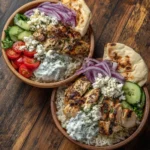
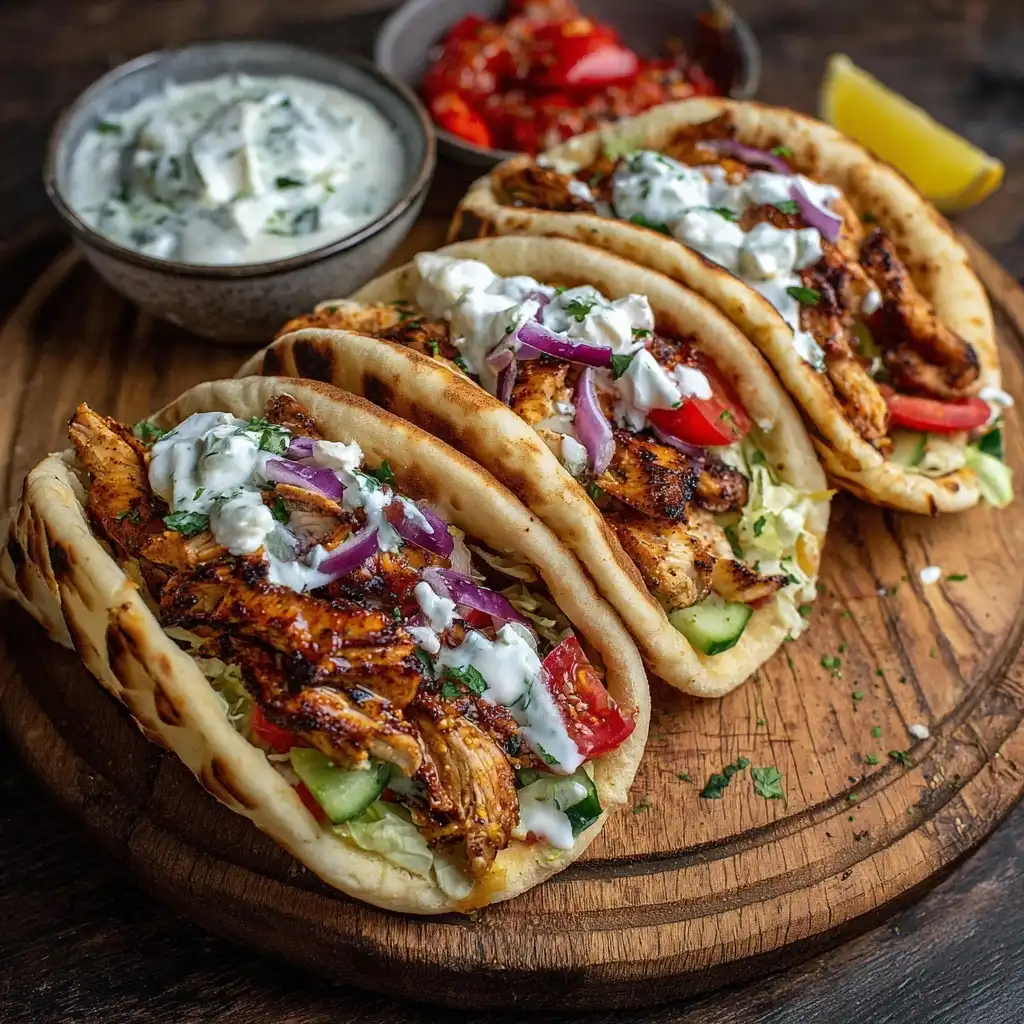
Mediterranean Chicken Gyros is a vibrant, flavorful, and wholesome twist on the beloved Greek street food classic—traditionally made with lamb or beef—but reimagined with lean, marinated chicken breast or thigh for a lighter, protein-rich, and nutritionally balanced alternative. This dish captures the essence of the sun-drenched Mediterranean coast: zesty lemon, aromatic oregano, garlicky depth, and creamy tzatziki—all wrapped snugly in warm, pillowy pita bread and crowned with crisp vegetables. Far more than just fast food, modern Mediterranean Chicken Gyros embodies a culinary philosophy rooted in freshness, seasonality, balance, and mindful preparation. Whether served as a weeknight dinner, weekend lunch, party appetizer, or meal-prep favorite, it delivers bold taste without compromise—and invites endless creativity in both technique and presentation.
The History
The gyros (pronounced YEE-ros) traces its origins to mid-20th-century Greece, evolving from earlier vertical rotisserie traditions influenced by Turkish döner kebab and Middle Eastern shawarma. While the original Greek version featured pork—later adapted to lamb and beef—the chicken gyros emerged widely in the 1970s and 1980s as a more accessible, economical, and universally accepted option—especially outside Greece, where halal and dietary preferences broadened its appeal. The word “gyros” literally means “turn” or “revolution” in Greek, referencing the slow-turning vertical spit on which meat is roasted until caramelized and tender. In the Mediterranean culinary diaspora—particularly across North America, Australia, and Northern Europe—chicken gyros gained popularity not only for its milder flavor profile but also for its adaptability to health-conscious trends. Today’s Mediterranean-inspired iterations go beyond mere substitution: they intentionally highlight regional ingredients like Kalamata olives, sun-dried tomatoes, preserved lemons, and herbaceous feta—reconnecting the dish to its Aegean, Levantine, and North African roots while embracing modern interpretations of wellness, sustainability, and global fusion.
Ingredients Breakdown
Every exceptional Mediterranean Chicken Gyro begins with thoughtfully sourced, high-quality components—each playing a distinct sensory and functional role:
- Chicken: Boneless, skinless chicken breasts (for lean texture) or thighs (for juiciness and forgiving tenderness). Brining or velveting optional for enhanced moisture retention.
- Marinade Base: Extra-virgin olive oil (fruity, peppery, cold-pressed), fresh lemon juice (brightness and enzymatic tenderizing), and authentic Greek oregano (wild-harvested, floral, and slightly minty—not generic Mediterranean blends).
- Aromatics: Freshly minced garlic (raw for pungency; roasted for sweetness), finely grated lemon zest (oily citrus compounds intensify aroma), and red onion (thinly sliced for raw crunch or quick-pickled for tangy-sweet complexity).
- Dry Spices: Ground cumin (earthy warmth), smoked or sweet paprika (depth and color), a whisper of ground coriander (citrusy nuance), and a pinch of cinnamon or allspice (a subtle nod to Levantine spice traditions).
- Herbs: Flat-leaf parsley (fresh, grassy finish), dill (cool anise-like lift), and mint (bright, cooling contrast—especially vital in tzatziki and garnish).
- Tzatziki Foundation: Full-fat Greek yogurt (strained for thickness and tang), English cucumber (seedless, finely grated and squeezed dry), garlic, lemon juice, olive oil, and a splash of white wine vinegar for brightness.
- Pita Bread: Authentic Greek-style pocketless pita (soft, pliable, slightly charred) or whole-wheat pitas for added fiber and nuttiness. Store-bought is acceptable—but warming on a dry cast-iron skillet or griddle before serving restores elasticity and enhances aroma.
- Vegetable Accoutrements: Sliced tomatoes (heirloom or vine-ripened), shredded romaine or butter lettuce (crisp neutrality), thinly sliced red onion, kalamata olives (briny, fruity), and pickled red onions or pepperoncini for acidity and heat.
- Finishing Touches: Crumbled sheep’s milk feta (salty, creamy, tangy), a drizzle of high-quality olive oil, a sprinkle of dried oregano or sumac (for tart, lemony brightness), and optional toasted pine nuts or slivered almonds for textural contrast.
Step-by-Step Recipe
- Brine & Prep (30 minutes–overnight): Optional but highly recommended—submerge chicken pieces in a solution of 1 cup cold water, 2 tbsp kosher salt, 1 tbsp brown sugar, and 1 tsp black peppercorns for 30–60 minutes (or refrigerate up to 8 hours). Rinse thoroughly and pat *extremely* dry with paper towels—moisture impedes browning.
- Marinate (Minimum 2 hours–up to 24 hours): In a non-reactive bowl, whisk together ⅓ cup extra-virgin olive oil, ¼ cup fresh lemon juice, 3 large garlic cloves (minced), 2 tsp dried oregano, 1 tsp smoked paprika, ½ tsp ground cumin, ¼ tsp ground cinnamon, 1 tsp lemon zest, 1 tsp Dijon mustard (for emulsification and subtle tang), 1 tsp honey (balances acidity), 1 tsp kosher salt, and ½ tsp freshly cracked black pepper. Add chicken and coat evenly. Cover and refrigerate—flip halfway through for uniform absorption.
- Rest & Temper (30 minutes before cooking): Remove chicken from fridge and let sit at room temperature for 25–30 minutes. Cold meat seizes and steams rather than sears.
- Cook (Stovetop or Grill): Heat a heavy-bottomed stainless steel or cast-iron skillet over medium-high heat until shimmering. Add 1 tbsp olive oil. Place chicken without crowding—work in batches if needed. Sear undisturbed for 4–5 minutes per side until deeply golden and internal temperature reaches 165°F (74°C) when measured at thickest part with an instant-read thermometer. For grill lovers: preheat to medium-high (400–450°F); oil grates well and cook 5–6 minutes per side, rotating 90° halfway for crosshatch marks.
- Rest & Slice: Transfer cooked chicken to a cutting board, tent loosely with foil, and rest 8–10 minutes—this allows juices to redistribute. Slice *against the grain* into thin, even strips (¼-inch thick) for optimal tenderness.
- Prepare Tzatziki (30 minutes ahead): Grate peeled English cucumber using the large holes of a box grater. Place in a clean kitchen towel and squeeze *vigorously* to remove all excess water. In a bowl, combine 1½ cups full-fat Greek yogurt, drained cucumber, 2 minced garlic cloves, 1 tbsp lemon juice, 1 tbsp extra-virgin olive oil, 2 tbsp chopped fresh dill, 1 tbsp chopped mint, ½ tsp kosher salt, and a pinch of white pepper. Chill minimum 30 minutes—or ideally 2+ hours—to allow flavors to meld.
- Warm Pitas (Essential Step): Heat a dry skillet over medium heat. Warm each pita for ~30 seconds per side until soft, pliable, and lightly speckled. Wrap immediately in a clean kitchen towel or foil to retain steam and prevent drying.
- Assemble with Intention: Lay warmed pita flat. Spread 2–3 tbsp tzatziki in center, leaving 1-inch border. Layer chicken strips evenly. Top with romaine, tomato slices, red onion, kalamata olives, crumbled feta, and a final drizzle of olive oil and lemon juice. Fold bottom edge up, then fold left and right sides inward, rolling tightly from bottom upward to enclose filling fully. Serve immediately—or wrap in parchment paper and foil for portable enjoyment.
Tips
- Texture Matters: Never skip squeezing the cucumber for tzatziki—excess water dilutes flavor and creates a runny, unstable sauce that leaks into the pita.
- Garlic Wisdom: Raw garlic in tzatziki benefits from resting—it mellows over time. For ultra-mild tzatziki, blanch minced garlic in boiling water for 10 seconds, then rinse under cold water before adding.
- Marinating Science: Acid (lemon juice) begins breaking down proteins after ~2 hours—beyond 24 hours, chicken can become mushy. For longer marination, reduce lemon juice by half and add it fresh just before cooking.
- Searing Secret: Pat chicken *bone-dry*. Even a film of moisture lowers pan temperature dramatically, causing steaming instead of caramelization. Use tongs—not forks—to flip, preserving juices.
- Pita Perfection: Avoid microwaving pitas—they turn rubbery. Dry skillet, griddle, or even a gas stove burner (held with tongs) yields superior texture and aroma.
- Meal-Prep Friendly: Marinate chicken and make tzatziki up to 3 days ahead. Cook chicken day-of—or grill/bake in bulk and reheat gently in a covered skillet with 1 tsp water to retain moisture.
- No-Spill Roll: Overfilling is the #1 cause of messy gyros. Keep fillings centered and compact. If serving buffet-style, offer components separately for custom assembly.
- Grill Smoke Control: Soak wooden skewers for 30+ minutes if using for kebab-style chicken. For charcoal grills, use indirect heat zones to avoid flare-ups from dripping marinade oils.
- Feta Tip: Use block feta packed in brine—not pre-crumbled (which contains anti-caking agents and dries out). Crumble by hand just before serving for creamier texture and sharper saline pop.
- Lemon Zest Timing: Always zest lemons *before* juicing—once cut, the pith releases bitterness and the rind becomes harder to grate finely.
Variations and Customizations
This recipe is a living canvas—designed to evolve with seasons, pantries, dietary needs, and cultural curiosity:
- Vegan/Vegetarian Gyros: Swap chicken for grilled halloumi (salt-brined, squeaky cheese that holds shape), marinated portobello caps, spiced chickpea “falafel crumbles”, or smoky roasted cauliflower steaks. Use dairy-free tzatziki made with coconut or almond yogurt and extra lemon.
- Low-Carb/Keto Option: Serve fillings over a bed of shredded romaine or butter lettuce “wraps”, or stuff into low-carb almond-flour or flaxseed pitas. Boost healthy fats with avocado slices and extra olive oil.
- Gluten-Free Adaptation: Use certified GF pita (often made with rice, tapioca, and potato starch) or large, pliable collard green leaves as wraps. Verify all spice blends and condiments are GF-labeled.
- Spice-Forward Versions: Add harissa paste to marinade for North African heat; stir preserved lemon pulp into tzatziki; or finish with Aleppo pepper flakes or zhug (Yemeni cilantro-chili sauce).
- Breakfast Gyros: Add soft-scrambled eggs, crumbled Greek sausage (loukaniko), or feta omelet ribbons—pair with dill-infused tzatziki and roasted cherry tomatoes.
- Seafood Twist: Replace chicken with marinated, grilled shrimp or flaky cod fillets—add capers and dill to tzatziki for a coastal vibe.
- Mezze-Style Platter: Deconstruct the gyro: serve warm pita wedges alongside small bowls of tzatziki, lemon-oregano chicken, tabbouleh, dolmades, and olive-tomato relish for sharing.
- Sheet-Pan Efficiency: Roast marinated chicken strips and veggie medley (zucchini, bell peppers, red onion) together at 425°F for 20–25 minutes—minimal cleanup, maximum flavor infusion.
- Instant Pot / Air Fryer Friendly: Cook marinated chicken in Instant Pot on High Pressure for 8 minutes + natural release; air fry at 375°F for 12–14 minutes, flipping halfway—both yield juicy, golden results with zero stovetop monitoring.
- Global Fusions: Korean-Med: add gochujang to marinade and kimchi slaw. Indian-Med: swap spices for garam masala + ginger-garlic paste; serve with mint-cilantro chutney. Mexican-Med: include pickled jalapeños, cotija, and chipotle-lime crema.
Health Considerations and Nutritional Value
A well-crafted Mediterranean Chicken Gyro aligns seamlessly with evidence-based dietary patterns lauded by cardiologists, nutrition researchers, and longevity experts—including the landmark PREDIMED study. Its nutritional architecture reflects core tenets of the Mediterranean Diet: abundant plant foods, healthy fats, lean protein, and minimal ultra-processing.
Nutrient Highlights (per standard serving, approx. 1 gyro = 550–650 kcal):
- High-Quality Protein: ~35–42g from chicken + feta + yogurt—supports muscle synthesis, satiety, and metabolic health.
- Monounsaturated Fats: Olive oil provides oleic acid (linked to reduced LDL cholesterol and improved endothelial function) plus polyphenols with anti-inflammatory and antioxidant activity.
- Probiotics & Gut Support: Traditionally fermented Greek yogurt supplies live cultures (Lactobacillus, Bifidobacterium) shown to enhance microbiome diversity and immune modulation—especially when unpasteurized post-fermentation (check label).
- Phytonutrient Density: Lemon (vitamin C, hesperidin), garlic (allicin), oregano (rosmarinic acid), tomatoes (lycopene), and olives (oleuropein) collectively deliver synergistic antioxidant, antimicrobial, and vascular-protective effects.
- Fiber & Digestive Health: Whole-wheat pita (~5g fiber/serving), cucumbers, lettuce, tomatoes, and onions contribute prebiotic fibers (inulin, pectin) that feed beneficial gut bacteria.
- Low Added Sugar: Naturally occurring sugars only—from lemon, honey (optional), and tomatoes. No refined sweeteners required.
Dietary Accommodations:
- Lower Sodium Option: Reduce added salt by 50%, rely on lemon, herbs, spices, and brined feta/tzatziki for flavor complexity. Rinse feta briefly in cold water to decrease sodium by ~30%.
- Heart-Healthy Focus: Emphasize extra-virgin olive oil over other fats; choose low-sodium olives; omit added salt in tzatziki; increase leafy greens and alliums.
- Diabetes-Friendly: Prioritize whole-grain pita (lower glycemic index), pair with high-protein/fat content to blunt glucose spikes, and monitor portion size of starchy components.
- Allergen Awareness: Naturally nut-free and soy-free. For dairy sensitivity, use lactose-free yogurt or strained coconut yogurt. Always verify spice blend labels for hidden gluten or sesame.
What to Mindfully Limit: Pre-made tzatziki with thickeners/gums, deep-fried pitas, excessive feta (high sodium/saturated fat), sugary “gyro sauces”, and highly processed deli-style chicken slices lacking whole-food integrity.
Ingredients
Makes 4 generous servings (8 smaller wraps)
For the Chicken Marinade & Cooking:
- 1.5 lbs (680 g) boneless, skinless chicken breasts or thighs, trimmed and cut into 1-inch wide strips
- ⅓ cup (80 ml) extra-virgin olive oil (preferably Greek or Spanish)
- ¼ cup (60 ml) freshly squeezed lemon juice (about 2 large lemons)
- 3 large garlic cloves, finely minced (about 1 tbsp)
- 2 tsp dried Greek oregano (not Italian blend)
- 1 tsp smoked paprika (sweet or hot, to preference)
- ½ tsp ground cumin
- ¼ tsp ground cinnamon
- 1 tsp lemon zest (from 1 lemon)
- 1 tsp Dijon mustard
- 1 tsp raw honey or maple syrup
- 1 tsp kosher salt (or ¾ tsp fine sea salt)
- ½ tsp freshly cracked black pepper
- 1 tbsp olive oil (for cooking)
For the Homemade Tzatziki:
- 1½ cups (360 g) full-fat plain Greek yogurt (2% or higher; unsweetened, unflavored)
- 1 medium English cucumber (about 12 oz / 340 g), peeled, seeded, and finely grated
- 2 large garlic cloves, finely minced or pressed
- 1 tbsp fresh lemon juice
- 1 tbsp extra-virgin olive oil
- 2 tbsp fresh dill, finely chopped (or 2 tsp dried)
- 1 tbsp fresh mint, finely chopped
- ½ tsp kosher salt
- Pinch of white pepper
For Assembly:
- 4 large Greek-style pitas (6–7 inches; pocketless preferred) or whole-wheat pitas
- 1 cup (70 g) shredded romaine or butter lettuce
- 1 medium ripe tomato, sliced into thin rounds
- ½ medium red onion, very thinly sliced (reserve some for quick-pickling)
- ½ cup (75 g) pitted Kalamata olives
- ½ cup (75 g) crumbled feta cheese (sheep’s milk preferred)
- Extra-virgin olive oil, for drizzling
- Fresh lemon wedges, for serving
- Optional garnishes: sumac, dried oregano, toasted pine nuts, microgreens
Directions
- Prepare the Chicken: If brining, combine 1 cup cold water, 2 tbsp kosher salt, and 1 tbsp brown sugar in a bowl. Submerge chicken completely. Refrigerate 30–60 minutes. Drain, rinse well under cold water, and pat *thoroughly dry* with paper towels.
- Make the Marinade: In a medium mixing bowl, whisk together olive oil, lemon juice, minced garlic, oregano, paprika, cumin, cinnamon, lemon zest, Dijon, honey, salt, and pepper until fully emulsified.
- Marinate: Add chicken strips to marinade, turning to coat evenly. Cover and refrigerate for minimum 2 hours—or ideally 8–12 hours—for deepest flavor and tenderness. Do not exceed 24 hours.
- Make the Tzatziki: Grate cucumber and place in a clean kitchen towel. Squeeze *with all your strength* over sink until no more liquid escapes. In another bowl, combine yogurt, drained cucumber, garlic, lemon juice, olive oil, dill, mint, salt, and white pepper. Stir until smooth. Cover and refrigerate minimum 30 minutes—preferably 2+ hours.
- Quick-Pickle Onions (Optional but Recommended): Thinly slice ¼ red onion. Place in small jar with ¼ cup apple cider vinegar, 1 tsp honey, ¼ tsp salt, and 2 crushed black peppercorns. Refrigerate 15+ minutes.
- Cook the Chicken: Remove chicken from fridge 30 minutes before cooking. Heat 1 tbsp olive oil in large skillet over medium-high heat until shimmering. Add chicken in single layer—do not crowd. Sear 4–5 minutes per side until golden brown and internal temp reaches 165°F. Transfer to cutting board, tent with foil, and rest 8–10 minutes.
- Slice & Warm Pitas: Slice rested chicken *against the grain* into ¼-inch strips. Warm pitas one at a time in dry skillet over medium heat for ~30 seconds per side until soft and pliable. Wrap in clean towel to keep warm and steamy.
- Assemble: Lay pita flat. Spread 2–3 tbsp tzatziki horizontally across center. Arrange chicken strips over sauce. Top with lettuce, tomato, red onion (or pickled), olives, and feta. Drizzle lightly with olive oil and a squeeze of lemon. Fold bottom edge up, fold sides in, and roll tightly from bottom upward.
- Serve Immediately: Cut in half diagonally if desired. Serve with extra tzatziki, lemon wedges, and a small side of Greek salad or roasted vegetables.
FAQ
- Can I bake the chicken instead of pan-searing?
- Yes! Arrange marinated chicken on a parchment-lined baking sheet. Roast at 425°F (220°C) for 18–22 minutes, flipping halfway, until internal temperature hits 165°F. Broil 1–2 minutes at end for light char. Let rest before slicing.
- Why does my tzatziki get watery?
- Insufficient cucumber draining is the #1 culprit. Squeeze *aggressively*—even twist the towel. Also avoid overmixing after chilling; let it rest undisturbed before serving.
- Can I freeze marinated chicken?
- Absolutely. Marinate up to 24 hours, then freeze in airtight container or freezer bag for up to 3 months. Thaw overnight in fridge before cooking—do not cook from frozen.
- Is store-bought tzatziki okay?
- It works in a pinch—but most contain gums, preservatives, excess salt, and insufficient garlic/herbs. Homemade takes 10 minutes and tastes infinitely brighter, fresher, and more authentic.
- What’s the best pita brand for gyros?
- Look for “Greek pita” or “pocketless pita” — brands like Joseph’s Flax, Oroweat Mediterranean, or local Mediterranean bakeries. Avoid soft “pocket” pitas—they tear easily when filled.
- Can I make this ahead for meal prep?
- Yes! Marinate chicken and make tzatziki up to 3 days ahead. Cook chicken day-of—or cook ahead and gently reheat in skillet with 1 tsp water. Assemble wraps *just before eating* to prevent sogginess.
- How do I prevent the pita from tearing?
- Warm it properly—cold or dry pitas crack. Use pliable, pocketless style. Don’t overfill. Roll tightly but gently. If making ahead, wrap assembled gyros in parchment first, then foil—keeps structure intact.
- Can I use chicken tenders or ground chicken?
- Chicken tenders work well—marinate same way. Ground chicken gyros are delicious too: mix 1 lb ground chicken with marinade, form into thin patties or loose crumbles, and pan-fry until fully cooked (165°F).
- What wine pairs well with Mediterranean Chicken Gyros?
- A crisp, mineral-driven Assyrtiko from Santorini; a dry Rosé from Provence; or a light-bodied, high-acid Pinot Noir from Oregon. All complement lemon, herbs, and olive oil without overwhelming.
- Are gyros traditionally eaten with fries?
- In Greece, yes—“gyro me patates” (gyro with fries) is a beloved casual combo. Serve crispy hand-cut fries on the side, or tuck them inside for ultimate indulgence.
Summary
Mediterranean Chicken Gyros is a celebration of vibrant, nutrient-dense ingredients—tender lemon-oregano chicken, cool garlicky tzatziki, and garden-fresh vegetables—wrapped in warm, pillowy pita and elevated by briny feta and fruity olive oil.
Rooted in Greek street food tradition yet endlessly adaptable, it’s a meal that nourishes the body, delights the senses, and invites creativity—whether you’re cooking for one, feeding a family, or hosting a mezze-inspired gathering.