Introduction
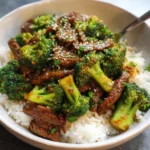
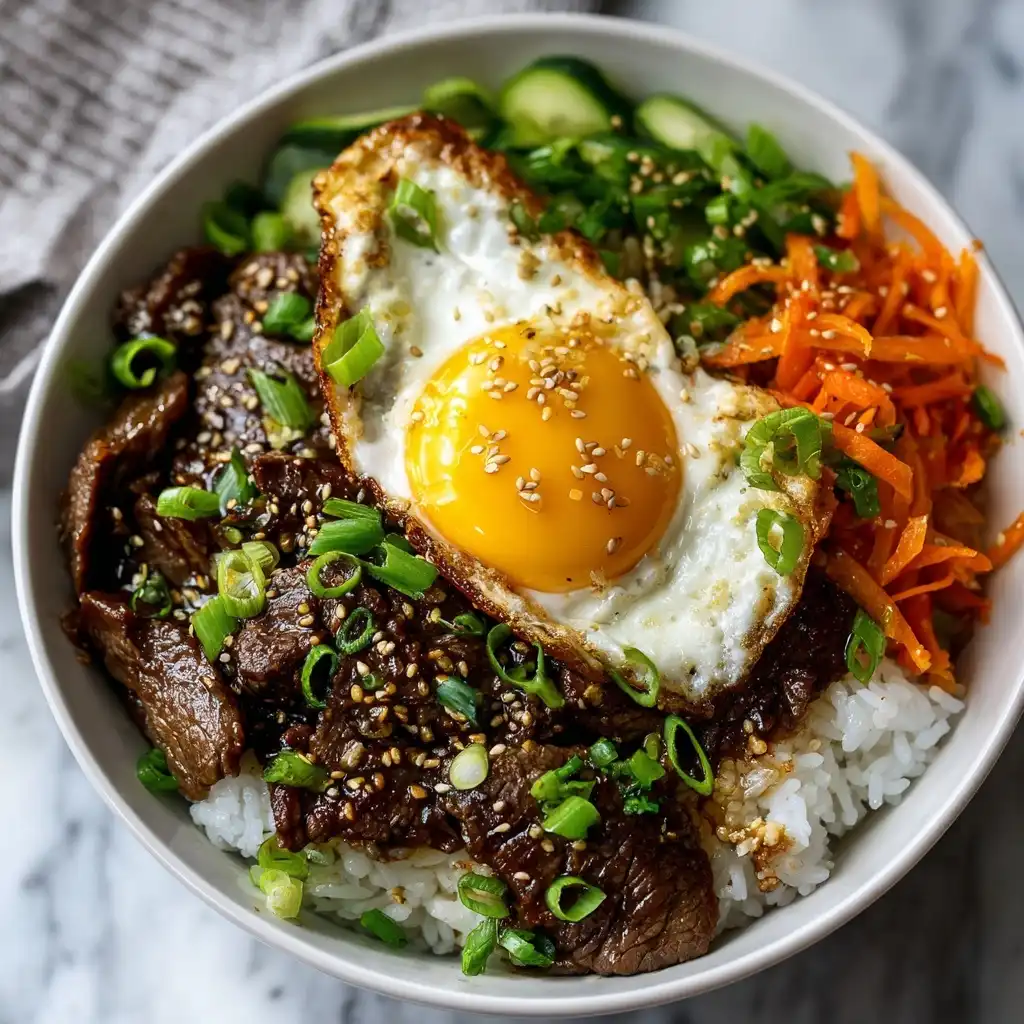
Korean Beef Bulgogi Bowls are a vibrant, flavor-packed fusion of traditional Korean barbecue and modern, health-conscious meal prep. This dish transforms thinly sliced marinated beef—classically grilled or pan-seared—into a nourishing, balanced bowl format that’s as satisfying to prepare as it is to savor. With its signature sweet-savory-umami profile, tender-crisp texture contrast, and customizable base options, the Bulgogi Bowl has become a beloved staple in home kitchens, meal delivery services, and even upscale casual dining across North America and beyond. Whether you’re new to Korean cuisine or a longtime enthusiast, this bowl offers an accessible yet deeply authentic gateway into the layered complexity of Korean culinary philosophy—where balance, fermentation, freshness, and bold seasoning coexist in perfect harmony.
The History
Bulgogi (불고기), literally meaning “fire meat” in Korean, traces its origins back over 1,500 years to the Goguryeo era (37 BCE–668 CE), where early versions involved grilling thin strips of meat over open flames—a practical method for preserving and tenderizing tougher cuts before refrigeration. Initially reserved for royalty and aristocrats due to the scarcity of beef in agrarian Korea, bulgogi evolved significantly during the Joseon Dynasty (1392–1897) with the introduction of soy sauce, garlic, ginger, and Asian pear—ingredients that not only enhanced flavor but also acted as natural tenderizers. The modern iteration we know today began taking shape in the mid-20th century, especially after the Korean War, when increased beef availability, urbanization, and Western culinary influences led to wider adoption of bulgogi in households and restaurants. Its global rise accelerated in the 1980s and 1990s with Korean immigration waves, K-food trends, and the popularity of Korean BBQ restaurants abroad. The “Bowl” format—layering bulgogi over rice, noodles, or greens—is a contemporary American-Korean innovation, born from the clean-eating movement, grain bowl culture, and demand for portable, nutrient-dense meals. Today, Korean Beef Bulgogi Bowls represent a delicious dialogue between heritage and innovation: honoring centuries-old techniques while embracing modern lifestyles, dietary preferences, and global pantry staples.
Ingredients Breakdown
Every exceptional Bulgogi Bowl begins with intentionality—not just in selection, but in understanding *why* each ingredient matters:
- Beef: Traditionally made with ribeye, sirloin, or brisket flank—cut paper-thin against the grain for maximum tenderness and marinade absorption. Grass-fed or wagyu options deepen richness; leaner cuts like top round offer lower fat alternatives without sacrificing authenticity.
- Soy Sauce: The umami backbone. Use naturally brewed, low-sodium Korean soy sauce (ganjang) when possible—its nuanced depth outshines generic varieties. Tamari serves as a gluten-free alternative, though it lacks the fermented complexity of traditional ganjang.
- Sweeteners: A trifecta of balance—brown sugar adds molasses depth and caramelization, honey contributes floral notes and moisture retention, and Korean pear (bae) or apple puree introduces natural fructose plus proteolytic enzymes (like bromelain and actinidin) that gently break down muscle fibers for unparalleled tenderness.
- Aromatics: Freshly grated ginger and minced garlic are non-negotiable—their volatile oils release under heat, forming the pungent-sweet foundation of bulgogi’s soul. Toasted sesame oil, added *after* cooking, preserves its nutty fragrance.
- Alliums & Heat: Green onions (scallions) add bright, grassy freshness both during cooking and as garnish. Optional gochujang (fermented chili paste) or gochugaru (Korean red pepper flakes) lend gentle warmth and complexity—not overwhelming spice, but resonant depth.
- Acid & Brightness: A splash of rice vinegar or mirin balances sweetness and cuts through richness, while lime or yuzu juice in the finishing drizzle lifts the entire bowl.
- Base Components: Steamed short-grain white rice remains classic—but brown rice, black rice, quinoa, cauliflower rice, mixed greens, or even buckwheat soba noodles provide textural and nutritional variety.
- Toppings & Texture: Toasted sesame seeds (white and black), crisp kimchi (nappa or radish), pickled daikon, blanched spinach (sigeumchi-namul), roasted seaweed strips (gim), and quick-pickled cucumbers or carrots add color, crunch, acidity, and probiotic benefits.
Step-by-Step Recipe
- Prepare the Marinade: In a large non-reactive bowl (glass or stainless steel), whisk together ½ cup low-sodium soy sauce, ¼ cup brown sugar, 3 tbsp honey, ¼ cup finely grated Korean pear (or Fuji apple), 3 tbsp freshly grated ginger, 4 cloves minced garlic, 1 tbsp toasted sesame oil, 1 tbsp rice vinegar, 1 tsp ground black pepper, and optional 1 tsp gochujang or ½ tsp gochugaru. Stir until sugar fully dissolves.
- Marinate the Beef: Add 1.5 lbs (680g) very thinly sliced beef (partially frozen beef is easiest to slice). Gently massage marinade into meat for 1–2 minutes. Cover and refrigerate for *at least 2 hours*, preferably 4–12 hours (but no longer than 24 hours—over-marinating can make beef mushy).
- Prep the Base & Toppings: While marinating, cook your chosen grain or grain alternative according to package instructions. Prepare toppings: julienne 1 English cucumber, slice 2 green onions diagonally, toast 2 tbsp sesame seeds in a dry pan until golden, drain and roughly chop ½ cup well-fermented kimchi, blanch 1 cup baby spinach in salted boiling water for 30 seconds then shock in ice water and squeeze dry.
- Cook the Bulgogi: Heat a wide cast-iron skillet or wok over medium-high heat until shimmering. Add 1 tbsp neutral oil (grapeseed or avocado). Once hot, add beef in a single layer—do not overcrowd; work in batches if needed. Sear undisturbed for 1–1.5 minutes until edges begin to caramelize, then stir-fry vigorously for another 2–3 minutes until beef is just cooked through and glossy, with a slight char on some edges. Avoid overcooking—beef should remain tender and juicy. Remove from heat and stir in an additional 1 tsp toasted sesame oil and 1 tbsp chopped green onions.
- Assemble the Bowls: Divide warm base evenly among four wide, shallow bowls. Arrange bulgogi generously over each. Artfully scatter toppings: kimchi, spinach, cucumber, green onions, toasted sesame seeds, and optional nori strips. Finish with a light drizzle of extra virgin sesame oil, a wedge of lime or yuzu, and a tiny pinch of flaky sea salt.
- Serve Immediately: Bulgogi Bowls shine at peak temperature and texture—serve within 5 minutes of assembly to preserve contrast between warm beef, cool toppings, and chewy-tender grains.
Tips
- Slice Like a Pro: Place beef in the freezer for 30–45 minutes until firm but not solid. Use a sharp chef’s knife and cut *against the grain* at a 45° angle for maximum tenderness.
- Marinade Science: Never use aluminum or unlined copper bowls—they react with soy and acid. Always marinate in the fridge, never at room temperature. For deeper penetration, poke meat lightly with a fork before marinating—but avoid excessive piercing, which can cause moisture loss.
- Control the Caramelization: High heat is essential—but too high causes burning before cooking through. If your pan smokes excessively, reduce heat slightly and ensure meat is patted dry before adding. A well-seasoned cast iron or carbon steel pan yields superior fond (browned bits) for richer flavor.
- Resist Stirring Too Soon: Let the beef sear undisturbed to develop Maillard reaction—that deep, savory crust that defines authentic bulgogi. Premature stirring steams rather than sears.
- Balance Is Everything: Taste your marinade before adding beef—if too salty, add more pear or honey; too sweet, add a splash of vinegar or citrus. Adjust seasonings *before* marinating, not after.
- Meal Prep Friendly: Marinated beef keeps 2 days raw in the fridge—or freeze portions flat in zip-top bags for up to 3 months. Cooked bulgogi stays fresh 4 days refrigerated and reheats beautifully in a skillet with a splash of water or broth.
- Leftover Magic: Transform leftovers into bulgogi tacos, bulgogi fried rice, bulgogi-stuffed omelets, bulgogi lettuce wraps, or bulgogi mac & cheese.
Variations and Customizations
The beauty of the Bulgogi Bowl lies in its remarkable adaptability—here are thoughtfully curated variations spanning dietary needs, global inspirations, seasonal shifts, and culinary creativity:
- Vegan/Vegetarian Bulgogi Bowl: Substitute thinly sliced king oyster mushrooms, young jackfruit, or extra-firm tofu pressed and scored. Marinate in same sauce minus fish sauce (if used), adding 1 tsp liquid aminos for depth. Pan-sear until deeply caramelized. Top with vegan kimchi and hemp seeds.
- Low-Carb/Keto Bulgogi Bowl: Serve over riced cauliflower sautéed with scallions and sesame oil, shirataki noodles, or a bed of massaged kale and shredded Brussels sprouts. Replace sugar/honey with monk fruit blend + 1 tsp apple cider vinegar for tang.
- Pescatarian Bulgogi Bowl: Use thick-cut, skinless salmon fillet sliced into ¼-inch strips. Marinate 30–45 minutes only (fish breaks down faster). Gently pan-sear skin-side down first for crispness, then flip briefly. Pair with dill-infused yogurt and pickled fennel.
- Spicy Gochujang Bulgogi Bowl: Double the gochujang (1–2 tbsp) and add 1 tsp toasted gochugaru to marinade. Finish with spicy sesame drizzle (gochujang + sesame oil + rice vinegar) and pickled jalapeños.
- Breakfast Bulgogi Bowl: Top warm bulgogi with a jammy soft-boiled egg, kimchi fried rice, nori, and furikake. Drizzle with yolk and sesame oil.
- Summer Refreshing Bulgogi Bowl: Swap rice for chilled soba noodles tossed in yuzu-miso dressing. Top with watermelon radish ribbons, shiso leaves, micro cilantro, and crushed wasabi peas.
- Umami Bomb Bulgogi Bowl: Add dried shiitake soaking liquid to marinade, include rehydrated and julienned shiitakes in cooking, finish with bonito flakes and truffle-infused sesame oil.
- Kids’ Mild Bulgogi Bowl: Omit gochujang/gochugaru entirely, increase pear to ⅓ cup, add 1 tsp mild miso for savory depth, and serve with mild kimchi or homemade quick-pickle carrots.
- Global Fusion Twists: Mexican-Inspired (cilantro-lime rice, avocado crema, pickled red onion); Mediterranean (farro, tzatziki, kalamata olives, lemon-zested cucumber); Japanese-Inspired (miso-braised eggplant, shiitake, wakame, yuzu kosho drizzle).
Health Considerations and Nutritional Value
A meticulously crafted Korean Beef Bulgogi Bowl is not only delicious—it’s a nutritionally intelligent meal designed around whole foods, functional ingredients, and mindful preparation. Here’s what makes it a standout choice for holistic wellness:
- High-Quality Protein: Grass-fed beef provides complete amino acids, heme iron (highly bioavailable), zinc, B12, and conjugated linoleic acid (CLA)—linked to metabolic and anti-inflammatory benefits. A 4-oz serving delivers ~28g protein with minimal saturated fat when trimmed properly.
- Fermented & Probiotic-Rich Elements: Authentic kimchi is a powerhouse of lactobacillus strains that support gut microbiome diversity, immune modulation, and vitamin K2 synthesis. Choose unpasteurized, refrigerated kimchi with live cultures—and aim for at least ¼ cup per bowl.
- Phytonutrient Density: Garlic and ginger contain allicin and gingerol—potent antioxidants with documented anti-inflammatory, antimicrobial, and cardiovascular protective properties. Asian pear contributes quercetin and vitamin C, while sesame seeds deliver lignans, calcium, magnesium, and copper.
- Smart Carbohydrates: Short-grain brown rice offers resistant starch (a prebiotic fiber), B vitamins, selenium, and manganese. Cauliflower rice reduces net carbs while increasing cruciferous phytochemicals like sulforaphane. Quinoa adds all nine essential amino acids plus iron and folate.
- Healthy Fats: Toasted sesame oil contains sesamin and sesamolin—lignans shown to support healthy blood pressure and lipid metabolism. Avocado or sesame seed garnishes add monounsaturated fats critical for hormone health and satiety.
- Sodium Awareness: Traditional bulgogi can be sodium-heavy. Mitigate this by using low-sodium soy sauce, balancing with ample fresh vegetables, rinsing kimchi briefly if overly salty, and avoiding added table salt during cooking.
- Glycemic Considerations: The combination of lean protein, fiber-rich vegetables, and healthy fats slows glucose absorption—making this bowl excellent for blood sugar stability. For insulin resistance or diabetes, prioritize low-glycemic bases (cauliflower rice, quinoa) and limit added sugars—substituting ripe pear for half the sweetener.
- Allergen Notes: Naturally gluten-free when using tamari or certified GF soy sauce. Soy-free? Try coconut aminos (though less umami-rich). Nut-free, dairy-free, and egg-free by default—ideal for multiple elimination diets.
Nutritional Snapshot (per standard bowl, approx. 650–750 kcal): Calories: 680 | Protein: 36g | Total Fat: 28g (Sat: 9g) | Carbs: 62g (Fiber: 7g, Sugar: 18g naturally occurring) | Sodium: 720mg (varies with soy sauce choice) | Iron: 4.2mg (23% DV) | Vitamin C: 45mg (50% DV) | Calcium: 140mg (14% DV)
Ingredients
- 1.5 lbs (680g) beef ribeye, sirloin, or brisket flank, very thinly sliced against the grain
- ½ cup low-sodium Korean soy sauce (ganjang) or tamari for gluten-free
- ¼ cup packed light brown sugar
- 3 tbsp raw honey or maple syrup (for vegan option)
- ¼ cup finely grated Korean pear (or Fuji apple)—about ½ medium pear
- 3 tbsp fresh ginger, peeled and finely grated
- 4 large garlic cloves, minced
- 1 tbsp toasted sesame oil (plus extra for finishing)
- 1 tbsp unseasoned rice vinegar
- 1 tsp freshly ground black pepper
- Optional: 1 tsp gochujang or ½ tsp gochugaru for subtle heat
- 1 tbsp neutral high-heat oil (avocado, grapeseed, or refined coconut)
- For the Bowl Base (choose one): 3 cups cooked short-grain brown rice, white rice, black rice, quinoa, or cauliflower rice
- For Toppings: 1 cup well-fermented napa cabbage kimchi, 1 cup blanched & squeezed baby spinach (sigeumchi-namul), 1 English cucumber, julienned, 4 green onions, thinly sliced, 2 tbsp toasted white & black sesame seeds, 1 sheet roasted seaweed (gim), cut into strips, lime or yuzu wedges
Directions
- In a large glass or stainless-steel mixing bowl, combine soy sauce, brown sugar, honey, grated pear, ginger, garlic, 1 tbsp toasted sesame oil, rice vinegar, black pepper, and optional gochujang or gochugaru. Whisk vigorously until sugar is completely dissolved and mixture is homogenous.
- Add sliced beef to marinade. Using clean hands, gently massage marinade into every piece for 60–90 seconds to ensure full coverage and penetration. Cover bowl tightly with plastic wrap or transfer to a resealable gallon-sized bag, pressing out excess air.
- Refrigerate for minimum 2 hours—and ideally 6–12 hours—for optimal tenderness and flavor infusion. Do not exceed 24 hours.
- When ready to cook, remove beef from fridge 15 minutes prior. Strain marinade into a small saucepan, reserving beef separately. Bring marinade to a gentle simmer over medium heat for 3–4 minutes to pasteurize and concentrate flavors—do not boil rapidly. Set aside.
- Heat a 12-inch cast-iron skillet or heavy-bottomed wok over medium-high heat until a drop of water sizzles and evaporates instantly. Add neutral oil and swirl to coat.
- Add marinated beef in a single layer—do not crowd. Let sear undisturbed for 90 seconds, then stir-fry continuously for 2–2.5 minutes until beef is just cooked through, glistening, and lightly caramelized at the edges. If using batch method, wipe pan between batches.
- Pour reserved, reduced marinade over beef. Cook 30–60 seconds more, stirring constantly, until sauce thickens slightly and coats meat. Remove from heat immediately.
- Stir in remaining 1 tsp toasted sesame oil and half the green onions. Taste and adjust—add a pinch of flaky salt if needed, or a splash of rice vinegar for brightness.
- Divide warm base among four shallow bowls. Top each with generous portion of bulgogi. Arrange kimchi, spinach, cucumber, remaining green onions, sesame seeds, and nori strips artfully over beef.
- Finish each bowl with a light drizzle of extra virgin toasted sesame oil, a squeeze of lime or yuzu, and optional flaky sea salt. Serve immediately.
FAQ
- Can I make Bulgogi without sugar?
- Yes—but sugar plays three vital roles: tenderizing via osmosis, balancing soy’s saltiness, and enabling caramelization. For sugar-free versions, increase pear/apple to ⅓ cup and add 1 tsp mild miso or ½ tsp coconut aminos for depth. Expect milder browning and slightly firmer texture.
- Why does my Bulgogi taste bitter or overly salty?
- Over-marinating (beyond 24 hours), using non-brewed soy sauce (hydrolyzed vegetable protein), or adding toasted sesame oil *before* cooking (which burns easily) are common culprits. Always use naturally brewed soy and add toasted sesame oil only at the end.
- Can I grill Bulgogi instead of pan-frying?
- Absolutely—and highly recommended for authentic smoky notes! Thread marinated beef onto skewers (soak wooden ones first) and grill over medium-hot charcoal or gas for 2–3 minutes per side. Keep a spray bottle of water nearby to control flare-ups.
- Is store-bought Bulgogi marinade okay to use?
- Convenient—but most contain MSG, preservatives, excessive sodium, corn syrup, and artificial colors. Homemade takes 10 minutes and delivers superior freshness, control, and clean-label integrity. Reserve store-bought only for emergency weeknight dinners—and always check labels carefully.
- How do I prevent soggy Bulgogi?
- Pat beef *very dry* with paper towels before marinating. Avoid adding marinade liquid back in unless reduced and thickened. Cook in batches, don’t steam—use high heat and proper ventilation.
- What’s the best rice for Bulgogi Bowls?
- Korean short-grain white or brown rice is ideal—sticky enough to cling to sauce, yet fluffy and delicate. Rinse thoroughly until water runs clear to remove excess starch and prevent gumminess. For gluten-free grain-free options, try riced broccoli or hearts of palm.
- Can I make this ahead for meal prep?
- Yes! Marinate beef up to 2 days ahead. Cook bulgogi up to 4 days ahead and reheat in skillet with 1 tsp water/broth to restore moisture. Store components separately—assemble bowls fresh to maintain texture contrast.
- My kimchi is too spicy/sour—what can I do?
- Rinse briefly under cold water and pat dry. Mix with a spoonful of plain Greek yogurt or mashed avocado to mellow heat. Or use it sparingly as a garnish rather than main topping.
- What wine or beverage pairs well with Bulgogi Bowls?
- Opt for off-dry whites with acidity: Riesling (Kabinett or Spätlese), Gewürztraminer, or sparkling rosé. For beer, try a Korean lager (Cass, Hite) or craft saison. Non-alcoholic: barley tea (boricha), yuzu soda, or ginger-kombucha spritz.
- Can Bulgogi Bowls be frozen?
- Cooked bulgogi freezes exceptionally well for up to 3 months in airtight containers. Thaw overnight in fridge and reheat gently in skillet. Avoid freezing assembled bowls—bases like rice or greens degrade in texture upon thawing.
Summary
Korean Beef Bulgogi Bowls are a masterclass in harmonious contrasts—sweet and savory, tender and crunchy, fermented and fresh—all rooted in centuries-old Korean culinary wisdom and elevated by modern nutritional science. They’re endlessly adaptable, deeply flavorful, and nutritionally robust, making them a timeless choice for everyday nourishment and special-occasion feasting alike.
Whether you’re seeking a 30-minute weeknight dinner, a gut-healing meal rich in probiotics and antioxidants, or a stunning centerpiece for entertaining, this bowl delivers—with authenticity, integrity, and irresistible umami depth in every bite.