Introduction
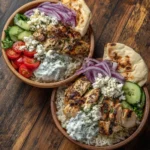
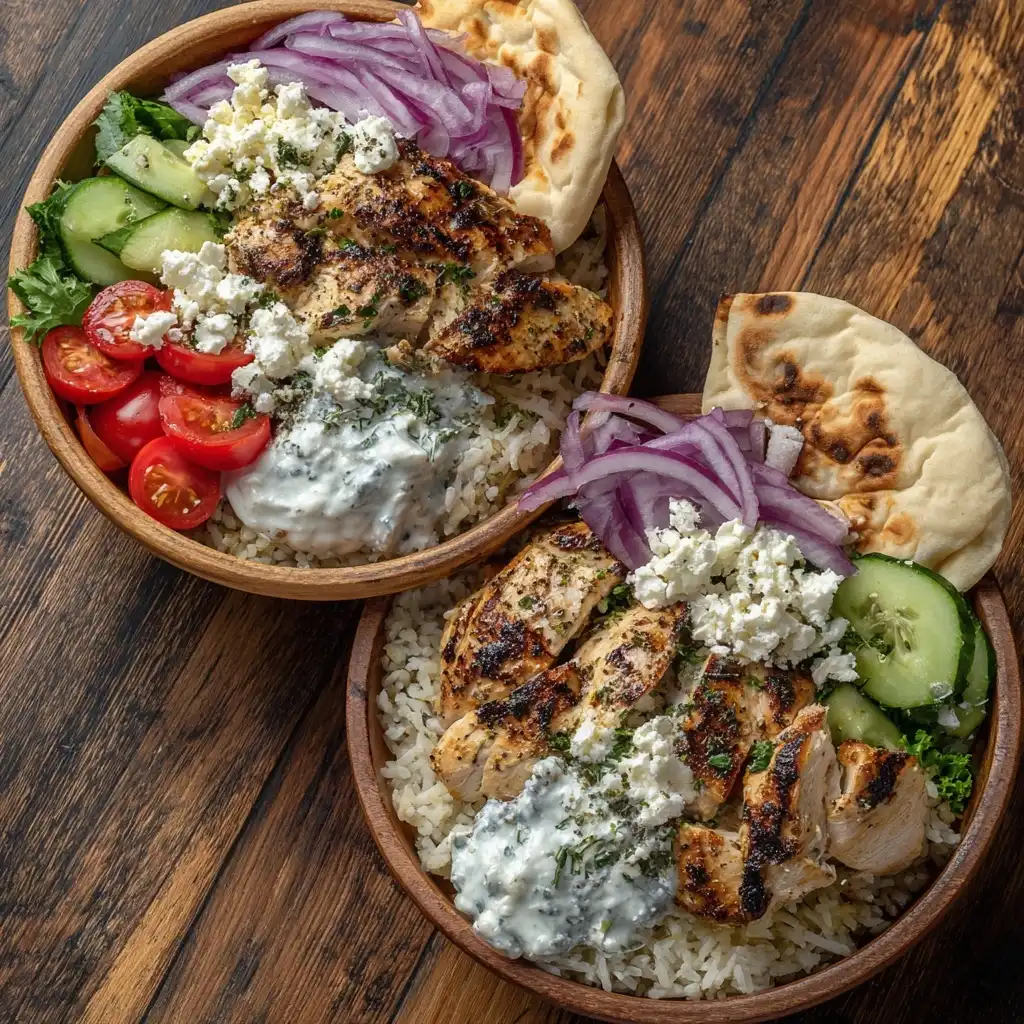
Greek Chicken Souvlaki Bowls are a vibrant, nutrient-dense, and deeply flavorful Mediterranean meal that brings the sun-drenched essence of Greece straight to your kitchen. Unlike traditional skewered souvlaki served with pita and tzatziki on the side, this bowl format reimagines the classic by deconstructing its components into a harmonious, customizable, and nutritionally balanced grain-and-vegetable–based assembly. Tender, lemon-herb–marinated chicken is paired with fluffy lemon-infused quinoa or whole-grain rice, crisp cucumbers and cherry tomatoes, creamy house-made tzatziki, crumbled feta, briny kalamata olives, and a generous drizzle of extra virgin olive oil—each bite delivering brightness, umami, freshness, and texture in perfect balance. Whether you’re meal prepping for the week, seeking a high-protein gluten-free dinner option, or simply craving bold yet wholesome flavors, Greek Chicken Souvlaki Bowls offer versatility without compromise—and prove that healthy eating can be as indulgent as it is nourishing.
The History
The origins of souvlaki trace back over 2,500 years to ancient Greece, where Homer’s Iliad references “spit-roasted meat” — likely lamb or wild boar — cooked over open flames by Mycenaean warriors. The word souvlaki (σουβλάκι) derives from the Greek svouras or sboulas, meaning “small skewer,” and evolved through Byzantine culinary traditions and Ottoman influences, incorporating marination techniques using vinegar, lemon, and regional herbs. By the mid-20th century, souvlaki became a cornerstone of Greek street food culture—grilled over charcoal, served wrapped in pita with onions and tomato, or on plates with lemon-dressed potatoes (patates tiganites). The modern “bowls” iteration emerged in the early 2010s amid the global grain bowl movement popularized by U.S.-based fast-casual concepts like Cava and Sweetgreen. Chefs and home cooks alike began adapting traditional souvlaki by removing the pita (for gluten-free or lower-carb preferences), elevating grains to star status, and layering ingredients for visual appeal and textural contrast—thus birthing the Greek Chicken Souvlaki Bowl: a respectful, ingredient-driven homage that honors authenticity while embracing contemporary dietary values, sustainability, and mindful eating principles.
Ingredients Breakdown
Every element in a Greek Chicken Souvlaki Bowl serves a distinct sensory and nutritional purpose—no ingredient is arbitrary. Let’s explore them in depth:
- Chicken Breast or Thighs: Boneless, skinless chicken breast offers lean protein and mild flavor, ideal for absorbing marinade; chicken thighs provide richer taste, higher moisture retention, and forgiving cook times—both are authentically used across Greek regions. Opt for organic, air-chilled, and antibiotic-free poultry when possible.
- Fresh Lemon Juice & Zest: The backbone of Greek cuisine. Juice provides acidity to tenderize proteins and brighten flavors; zest contributes volatile citrus oils that add aromatic complexity and lift every other component.
- Extra Virgin Olive Oil (EVOO): Not just fat—it’s liquid gold. High-phenolic, cold-pressed Greek EVOO (e.g., Koroneiki varietal) contributes heart-healthy monounsaturated fats, antioxidant oleocanthal, and a peppery finish essential for authenticity.
- Garlic: Freshly minced—not powdered—is non-negotiable. Its sulfur compounds enhance both antimicrobial properties and savory depth (alliin → allicin upon crushing).
- Dried Oregano (Greek or Mediterranean): Wild-harvested Origanum vulgare subsp. hirtum delivers camphoraceous, slightly minty notes far superior to common marjoram-based oregano blends sold internationally.
- Red Wine Vinegar: Adds gentle tang and enhances marinade penetration; traditionally used alongside lemon in coastal regions like Crete and Lesvos.
- Yogurt (for Tzatziki): Full-fat, strained Greek yogurt (not regular or low-fat) ensures thick, cooling creaminess and optimal probiotic viability—critical for balancing the dish’s robust flavors.
- Cucumber (English or Persian): Peeled, seeded, and finely grated—its high water content and enzymatic activity (cucurbitacin) cool heat and aid digestion when paired with rich proteins and fats.
- Garlic & Dill (in Tzatziki): Raw garlic adds pungency and immune-supportive allicin; fresh dill (not dried) contributes anise-like freshness and volatile terpenes shown to support gut motility.
- Feta Cheese: Authentic PDO (Protected Designation of Origin) feta from Greece—made from at least 70% sheep’s milk (often blended with goat’s milk)—offers tangy, salty, crumbly richness and calcium bioavailability enhanced by fermentation.
- Kalamata Olives: Hand-harvested, brine-cured olives from Messenia provide polyphenol-rich fat, sodium for electrolyte balance, and deep umami savoriness.
- Cherry Tomatoes: Sun-ripened, vine-ripened varieties offer lycopene (enhanced by EVOO’s fat), vitamin C, and natural sweetness to offset acidity.
- Crisp Romaine or Butter Lettuce: Adds crunch, hydration, folate, and chlorophyll—acting as both base and palate cleanser.
- Quinoa or Whole-Grain Base: Rinsed, tri-colored quinoa provides complete plant protein (all 9 essential amino acids), magnesium, and fiber; alternatives like farro (ancient wheat), bulgur (parboiled cracked wheat), or brown rice add chew, B-vitamins, and resistant starch.
- Red Onion (thinly sliced & quick-pickled): Adds sharpness, quercetin (a potent flavonoid), and digestive enzymes—quick-pickling in lemon juice/vinegar mellows pungency while boosting bioavailability.
- Optional Garnishes: Crumbled dried mint (for cooling contrast), toasted pine nuts or slivered almonds (for crunch and vitamin E), microgreens (pea shoots or radish sprouts for enzymatic vitality), and a final flake of Maldon sea salt to elevate mineral notes.
Step-by-Step Recipe
- Prepare the Chicken Marinade: In a large non-reactive bowl (glass or stainless steel), whisk together ⅓ cup extra virgin olive oil, ¼ cup fresh lemon juice, 2 tbsp red wine vinegar, 4 medium garlic cloves (minced), 2 tsp dried Greek oregano, 1 tsp lemon zest, 1 tsp smoked paprika (optional, for subtle depth), 1½ tsp kosher salt, and ½ tsp freshly ground black pepper. Taste marinade—it should be boldly acidic, aromatic, and well-seasoned.
- Marinate the Chicken: Cut 1.5 lbs boneless, skinless chicken breasts or thighs into 1.5-inch cubes. Pat dry thoroughly with paper towels (critical for caramelization). Add to marinade, tossing gently to coat all surfaces. Cover and refrigerate for minimum 2 hours—or ideally, 6–12 hours (do not exceed 24 hours, as acid can begin to “cook” the surface and affect texture).
- Make the Tzatziki (at least 1 hour ahead): Combine 1 cup full-fat Greek yogurt, ½ English cucumber (peeled, seeded, finely grated and squeezed dry in cheesecloth), 2 garlic cloves (minced), 1 tbsp fresh dill (chopped), 1 tsp lemon juice, ½ tsp kosher salt, and a pinch of white pepper. Stir well, cover, and chill. This resting time allows flavors to meld and garlic’s sharpness to mellow.
- Cook the Grain Base: Rinse 1 cup uncooked quinoa under cold water until runoff is clear. Cook according to package directions (typically 1 part quinoa to 2 parts water or low-sodium vegetable broth) until fluffy and water is absorbed (~15 minutes). Fluff with a fork, then stir in 1 tbsp lemon juice, 1 tbsp olive oil, ¼ tsp salt, and optional 1 tbsp chopped fresh parsley. Spread on a tray to cool slightly—warm grains help absorb dressing but shouldn’t be piping hot when assembling.
- Prep the Vegetables: Thinly slice 1 small red onion and soak in ice water + 1 tsp lemon juice for 10 minutes to reduce bite. Drain and pat dry. Halve 1 pint cherry tomatoes. Dice ½ English cucumber (unpeeled, seeded). Chop ¼ cup fresh parsley and 2 tbsp fresh mint.
- Grill or Pan-Seal the Chicken: Heat a cast-iron skillet, grill pan, or outdoor grill to medium-high (400°F/200°C). Lightly oil grates or pan. Shake excess marinade from chicken (reserve marinade for basting—but do not reuse raw marinade as sauce unless boiled for 3+ minutes). Cook chicken in batches without crowding, turning once, until golden-brown and internal temperature reaches 165°F (74°C) — ~3–4 minutes per side. Optional: brush with reserved (boiled) marinade in last 30 seconds for glossy finish.
- Assemble the Bowls: Begin with ¾ cup warm quinoa per bowl. Top evenly with: ½ cup shredded romaine or butter lettuce, 4–5 oz grilled chicken, ¼ cup cherry tomatoes, ¼ cup cucumber, 2 tbsp pickled red onion, 2 tbsp crumbled feta, 8–10 kalamata olives, and 3 tbsp tzatziki. Finish with a generous drizzle of extra virgin olive oil (½ tsp), a sprinkle of oregano, fresh herbs, and a final crack of black pepper.
Tips
- Marinate Smart: Always marinate chicken in the fridge—not on the counter. Use a zip-top bag for maximum surface contact and easy cleanup. For deeper flavor, add 1 tsp honey or maple syrup to marinade—it aids caramelization without sweetness.
- Don’t Skip the Squeeze: When prepping cucumber for tzatziki, wring out *every drop* of moisture using cheesecloth or a clean kitchen towel. Excess water dilutes flavor and creates a runny, unappetizing sauce.
- Grill Like a Pro: Preheat your pan or grill until smoking lightly. Pat chicken *bone-dry* before cooking—this guarantees sear, not steam. Resist moving it for first 2–3 minutes to develop crust.
- Grain Texture Matters: Undercook quinoa by 1 minute, then let it steam covered off-heat for 10 minutes. It’ll be perfectly tender—not mushy—with separate, plump grains.
- Layer for Longevity: If prepping for meal prep, store components separately: grains (with lemon-oil dressing), chicken (cooled completely), veggies (in airtight containers with paper towel to absorb condensation), and tzatziki (in smallest container, topped with thin olive oil layer to prevent oxidation). Assemble day-of.
- Boost Umami Naturally: Add 1 tsp tomato paste or ½ tsp nutritional yeast to marinade—it deepens savoriness without altering Greek character.
- Acid Balance is Key: If tzatziki tastes flat, stir in a few drops of lemon juice *just before serving*. Acid wakes up all other flavors.
- Herb Timing: Add delicate herbs like dill, mint, and parsley *only at the end*—heat dulls their volatile oils and turns them bitter.
- Salt Strategically: Season chicken generously *before* marinating (helps with moisture retention), then adjust final bowl seasoning *after* adding feta and olives, which contribute significant salt.
- Leftover Magic: Repurpose leftover chicken and tzatziki into souvlaki-stuffed avocados, Greek-style omelets, or blended into a creamy chicken-tzatziki dip with roasted red peppers.
Variations and Customizations
The beauty of the Greek Chicken Souvlaki Bowl lies in its remarkable adaptability—across dietary needs, seasonal availability, cultural interpretations, and personal taste preferences. Here’s how to make it truly yours:
- Vegetarian/Vegan Version: Replace chicken with marinated & grilled halloumi (for chew and saltiness), spiced chickpeas (tossed in olive oil, cumin, smoked paprika, and lemon), or baked tofu/tempeh. Use dairy-free tzatziki made with coconut or almond yogurt (add 1 tsp apple cider vinegar + ½ tsp dill for tang). Swap feta for almond-feta crumble or capers for briny pop.
- Low-Carb/Keto Adaptation: Omit grains entirely. Build over double portions of chopped romaine, butter lettuce, and shredded purple cabbage. Boost healthy fats with extra olives, avocado slices, hemp seeds, and a lemon-herb olive oil vinaigrette. Increase chicken portion to 6 oz.
- Paleo/Whole30 Compliant: Skip grains, feta, and honey (if used). Use compliant tzatziki (coconut yogurt + cucumber + garlic + dill + lemon), serve over cauliflower rice or massaged kale, and top with sliced avocado and crushed walnuts instead of olives.
- Gluten-Free Assurance: Naturally GF—but verify labels on vinegar (some contain barley), broth (if used for grains), and pre-made spice blends (oregano may contain anti-caking agents). Use certified GF tamari if adding umami boost.
- Seafood Twist: Substitute grilled shrimp or flaky white fish (like cod or halibut) marinated in same lemon-oregano blend. Pair with dill-cucumber relish instead of tzatziki for lighter profile.
- Breakfast Bowls: Warm quinoa base topped with poached eggs, sautéed spinach, crumbled feta, olives, and a dollop of tzatziki—lemon zest and black pepper finish it like a savory shakshuka cousin.
- Regional Greek Inspirations:
- Cretan Style: Add thinly sliced sun-dried tomatoes, capers, and wild greens (horta) sautéed with garlic and olive oil.
- Lesbian Style: Incorporate local green lentils (Pardini), roasted eggplant, and a drizzle of avgolemono-inspired lemon-egg emulsion.
- Thracian Style: Feature pickled turnips, roasted red peppers, and a sprinkle of crushed walnuts for earthy contrast.
- Global Fusion Flair:
- Mediterranean-Mexican: Swap quinoa for cilantro-lime cauliflower rice, add pickled jalapeños and avocado crema instead of tzatziki.
- Levantine-Inspired: Use tabbouleh as base, garnish with sumac, pomegranate arils, and tahini-tzatziki hybrid.
- Japanese-Greek: Marinate chicken in yuzu instead of lemon, use shiso instead of mint, and finish with toasted sesame and nori flakes.
- Meal Prep Powerhouse: Double the recipe and batch-cook components. Freeze cooked chicken in marinade portions (up to 3 months); thaw overnight and grill. Cook quinoa in big batches and freeze in 1-cup portions (reheats beautifully with splash of broth).
- Kid-Friendly Makeover: Serve chicken as mini skewers (remove sticks before serving), skip raw onion and garlic-heavy tzatziki (use mild herb yogurt), add roasted sweet potato cubes, and shape bowls into fun “Greek flag” patterns with white feta, green cucumbers, and red tomatoes.
Health Considerations and Nutritional Value
A thoughtfully assembled Greek Chicken Souvlaki Bowl isn’t just delicious—it’s a functional, science-backed nutritional powerhouse aligned with the evidence-based principles of the Mediterranean Diet, consistently ranked #1 by U.S. News & World Report for overall health, heart disease prevention, diabetes management, cognitive longevity, and sustainable weight maintenance. Per standard serving (1.5 cups total volume, ~650–750 kcal), here’s what makes it exceptional:
- Complete Lean Protein: 35–42g high-bioavailable chicken protein supports muscle synthesis, satiety hormones (leptin, PYY), and thermogenesis—critical for metabolic health. Chicken thigh offers more zinc and B12; breast provides more selenium.
- Monounsaturated Fat Dominance: Extra virgin olive oil contributes ~25g heart-protective MUFAs per bowl—shown in the landmark PREDIMED study to reduce major cardiovascular events by 30% in high-risk adults.
- Fermented Dairy Benefits: Tzatziki delivers live probiotics (Lactobacillus strains) linked to improved gut barrier integrity, reduced systemic inflammation (lower CRP), and enhanced nutrient absorption—especially calcium and magnesium from feta and greens.
- Polyphenol Synergy: The combination of olive oil phenols (oleuropein), lemon flavonoids (hesperidin), oregano rosmarinic acid, and garlic allicin creates powerful antioxidant networks that combat oxidative stress and support endothelial function.
- Fiber-Rich Complexity: Quinoa offers 5g+ fiber (soluble + insoluble), promoting microbiome diversity and steady glucose response. Cucumber, tomatoes, and onions add prebiotic inulin and fructooligosaccharides (FOS) to feed beneficial gut bacteria.
- Electrolyte Balance: Naturally high in potassium (tomatoes, spinach, olives), magnesium (quinoa, pumpkin seeds), and sodium (feta, olives, sea salt)—ideal for active individuals, post-workout recovery, or those managing adrenal fatigue.
- Low Glycemic Impact: With no refined grains or added sugars, the bowl maintains a low glycemic load (<10 GL), making it excellent for insulin resistance, PCOS, and prediabetes management.
- Anti-Inflammatory Profile: Absence of processed oils, added sugars, and industrial seed oils—plus abundance of omega-3 precursors (from greens and herbs), curcumin (if turmeric added), and resveratrol (in red wine vinegar)—creates a net anti-inflammatory effect validated in clinical trials.
- Considerations & Modifications:
- For Hypertension: Reduce added salt by 50%, rely on lemon, herbs, and olives for flavor; choose low-sodium feta or omit.
- For Histamine Sensitivity: Avoid aged feta and olives; use fresh mozzarella or ricotta; skip fermented tzatziki and opt for plain yogurt + fresh dill.
- For GERD/Acid Reflux: Limit raw onion and tomato quantity; add cooked zucchini or carrots; use less lemon juice in marinade (substitute apple cider vinegar).
- For Kidney Disease: Consult dietitian—may require limiting potassium (tomatoes, spinach) and phosphorus (quinoa, dairy); substitute with low-phos grains like white rice.
This bowl exemplifies food-as-medicine: nutrient-dense, phytochemical-rich, and inherently anti-inflammatory—designed not only to satisfy hunger, but to actively nurture cellular health, hormonal balance, and long-term vitality.
Ingredients
For the Chicken & Marinade
- 1.5 lbs boneless, skinless chicken breast or thighs, cut into 1.5-inch cubes
- ⅓ cup extra virgin olive oil (preferably Greek, cold-pressed)
- ¼ cup fresh lemon juice (about 2 large lemons)
- 2 tbsp red wine vinegar
- 4 medium garlic cloves, finely minced
- 2 tsp dried Greek oregano (look for Origanum vulgare hirtum)
- 1 tsp lemon zest
- 1 tsp smoked paprika (optional, for depth)
- 1½ tsp kosher salt (or 1 tsp fine sea salt)
- ½ tsp freshly ground black pepper
For the Lemon-Herb Quinoa
- 1 cup uncooked tri-color or white quinoa, rinsed well
- 2 cups low-sodium vegetable broth or water
- 1 tbsp fresh lemon juice
- 1 tbsp extra virgin olive oil
- ¼ tsp kosher salt
- 1 tbsp chopped fresh flat-leaf parsley
For the Homemade Tzatziki
- 1 cup full-fat Greek yogurt (strained, 10% fat minimum)
- ½ English cucumber (about 1 cup grated, peeled & seeded)
- 2 garlic cloves, finely minced
- 1 tbsp fresh dill, finely chopped
- 1 tsp fresh lemon juice
- ½ tsp kosher salt
- Pinch of white pepper
For Assembly
- 2 cups chopped romaine or butter lettuce
- 1 pint cherry tomatoes, halved
- ½ English cucumber, diced (unpeeled, seeded)
- 1 small red onion, very thinly sliced
- ½ cup Kalamata olives, pitted
- ½ cup crumbled authentic Greek feta cheese (PDO certified)
- 2–3 tbsp extra virgin olive oil, for finishing
- Fresh oregano leaves, for garnish
- Fresh mint and/or parsley, for garnish
- Flaky sea salt (e.g., Maldon), for finishing
- Freshly ground black pepper
Directions
- Marinate the Chicken: In a large glass or stainless-steel bowl, whisk together olive oil, lemon juice, red wine vinegar, minced garlic, oregano, lemon zest, smoked paprika (if using), salt, and black pepper. Add chicken pieces and toss until fully coated. Cover and refrigerate for at least 2 hours—or preferably, 6 to 12 hours—for optimal tenderness and flavor infusion.
- Prepare the Tzatziki: Grate the cucumber using the large holes of a box grater. Place grated cucumber in a clean cheesecloth or thin kitchen towel and squeeze firmly over the sink to remove *all* excess water. In a medium bowl, combine the squeezed cucumber, Greek yogurt, minced garlic, chopped dill, lemon juice, salt, and white pepper. Stir until smooth and uniform. Cover and refrigerate for at least 1 hour (ideally 2–4 hours) to allow flavors to meld and garlic to mellow.
- Cook the Quinoa: Rinse quinoa thoroughly under cold running water in a fine-mesh strainer until water runs clear. In a medium saucepan, combine rinsed quinoa and broth (or water). Bring to a boil over high heat, then reduce heat to low, cover tightly, and simmer for 15 minutes—or until liquid is fully absorbed and quinoa is tender with a slight bite. Remove from heat and let stand, covered, for 5 minutes. Fluff with a fork, then stir in lemon juice, 1 tbsp olive oil, salt, and parsley. Spread onto a baking sheet to cool slightly (warm—not hot—when assembling).
- Prep the Vegetables: Place sliced red onion in a small bowl and cover with ice water mixed with 1 tsp lemon juice. Soak for 10 minutes to tame sharpness, then drain and pat dry with paper towels. Halve cherry tomatoes. Dice second cucumber. Chop fresh herbs.
- Cook the Chicken: Heat a large cast-iron skillet, grill pan, or outdoor grill to medium-high (400°F/200°C). Lightly oil surface. Remove chicken from marinade (discard leftover raw marinade unless boiling it separately for basting). Pat chicken *very dry* with paper towels. Arrange in single layer and cook undisturbed for 3–4 minutes until deeply golden and release easily from pan. Flip and cook another 3–4 minutes until internal temperature reaches 165°F (74°C) on an instant-read thermometer. Transfer to a plate and rest 5 minutes before slicing or serving whole.
- Assemble Each Bowl: Divide warm quinoa evenly among 4 wide, shallow bowls (about ¾ cup per bowl). Layer with ½ cup chopped lettuce. Arrange 4–5 oz grilled chicken over greens. Scatter cherry tomatoes, diced cucumber, pickled red onion, kalamata olives, and crumbled feta evenly across each bowl. Spoon 3 tablespoons tzatziki over each portion. Drizzle generously with extra virgin olive oil. Garnish with fresh oregano, mint, parsley, flaky sea salt, and freshly ground black pepper.
- Serve Immediately: Best enjoyed fresh and at room temperature to preserve textures and brightness. Offer lemon wedges on the side for an extra burst of acidity.
FAQ
- Can I make this ahead of time?
- Absolutely—but for best