Introduction
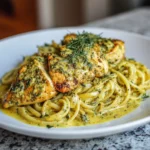
Creamy Pesto Chicken is a beloved, restaurant-worthy dish that effortlessly bridges the gap between rustic Italian tradition and modern weeknight convenience. With its velvety sauce, aromatic herbal notes, tender chicken, and subtle nuttiness, it delivers bold flavor without demanding hours in the kitchen. Whether served over pasta, zucchini noodles, roasted vegetables, or even crusty artisan bread for dipping, this dish satisfies cravings for richness, freshness, and comfort—all in one pan. Its versatility, impressive presentation, and balanced profile make it a go-to favorite for family dinners, date nights, meal prep, and entertaining alike.
The History
While “Creamy Pesto Chicken” as a unified dish doesn’t appear in centuries-old Italian cookbooks, its roots are deeply embedded in regional Italian culinary traditions. Pesto Genovese—originating in Genoa, Liguria—dates back to at least the 16th century, with early versions documented in the *Genoese Annals* and later refined using mortar-and-pestle techniques to preserve the vibrant color and volatile oils of fresh basil. Traditional pesto was never cooked, but rather stirred into hot pasta at the last moment to preserve its brightness. The “creamy” evolution emerged much later—in mid-to-late 20th-century American and Anglophone kitchens—as home cooks sought richer mouthfeel and longer shelf stability. Cream cheese, sour cream, heavy cream, and even Greek yogurt were incorporated to tame pesto’s sharpness, add body, and create a luxurious emulsion that clings beautifully to protein. Chicken breast—widely available, lean, and adaptable—became the natural canvas, especially as health-conscious cooking trends elevated grilled and pan-seared poultry. By the 2010s, Creamy Pesto Chicken surged across food blogs, Pinterest, and cooking shows, cementing itself as a modern classic: a global fusion dish honoring Italian herb culture while embracing creamy American comfort sensibilities.
Ingredients Breakdown
Every element in Creamy Pesto Chicken plays a distinct, synergistic role—no ingredient is merely filler. Understanding their functions helps elevate your execution:
- Chicken breasts or thighs: Boneless, skinless chicken provides lean protein and a neutral base. Breasts offer mild flavor and firm texture; thighs bring deeper savoriness, juicier tenderness, and greater forgiveness during cooking (less prone to drying out). For best results, uniform thickness is key—consider butterflying or pounding.
- Fresh basil leaves: The soul of pesto. Must be vibrant green, fragrant, and unblemished. Avoid stems (they impart bitterness) and refrigerate unwashed until use. Peak-season basil offers the most complex terpenes—linalool and eugenol—that give that sweet-spicy, anise-tinged aroma.
- Pine nuts: Traditional and irreplaceable for authentic texture and buttery richness. Toast them lightly before blending to unlock nutty depth—but watch closely, as they scorch in seconds. Walnuts or slivered almonds may substitute for cost or allergy reasons, though flavor and mouthfeel shift noticeably.
- Garlic: Raw garlic adds pungent bite; blanching or roasting tempers its heat while adding sweetness. In creamy versions, raw garlic is often minced finely or crushed to integrate smoothly without harsh raw edges.
- Extra-virgin olive oil: Not just fat—it carries polyphenols and volatile aromatics. Use a high-quality, fruity, medium-intensity EVOO (e.g., from Liguria or Tuscany) for complexity. Reserve a drizzle for finishing to brighten the final dish.
- Grated Parmigiano-Reggiano: Adds umami, saltiness, and granular richness. Authentic DOP-certified cheese melts seamlessly and contributes glutamic acid—the “fifth taste” that deepens savory perception. Avoid pre-grated brands with anti-caking agents (e.g., cellulose), which hinder melting and dull flavor.
- Heavy cream or full-fat coconut milk (for dairy-free): Provides viscosity, sheen, and temperature stability. Heavy cream (36–40% fat) yields the silkiest, most stable emulsion; half-and-half may thin too quickly, while milk lacks enough fat to prevent curdling. Coconut milk (canned, full-fat, well-stirred) adds subtle sweetness and works beautifully in vegan adaptations.
- Optional enhancements: A splash of dry white wine (e.g., Pinot Grigio) deglazes the pan and lifts fond while adding acidity; lemon zest brightens without sourness; red pepper flakes introduce gentle warmth; sun-dried tomatoes or artichoke hearts add chewy-sweet contrast; baby spinach wilts in at the end for color and nutrients.
Step-by-Step Recipe
- Prep the chicken: Pat chicken breasts or thighs completely dry with paper towels—moisture is the enemy of browning. Season generously on both sides with kosher salt and freshly ground black pepper. Optional: lightly dust with all-purpose flour or cornstarch for extra crust development (especially helpful if using lean breasts).
- Sear the chicken: Heat 1½ tablespoons of olive oil or unsalted butter in a large, heavy-bottomed skillet (stainless steel or cast iron preferred) over medium-high heat until shimmering. Carefully place chicken in the pan without crowding—work in batches if needed. Sear undisturbed for 5–6 minutes per side, or until deeply golden brown and internal temperature reaches 155°F (68°C) for breasts (carryover will bring it to 165°F/74°C). Transfer to a clean plate, tent loosely with foil, and rest for 5 minutes.
- Build the aromatic base: Reduce heat to medium. Add 1 tablespoon more olive oil if pan is dry. Sauté 2–3 minced garlic cloves and ¼ teaspoon red pepper flakes (optional) for 30–45 seconds until fragrant—do not brown. For extra depth, add ¼ cup finely diced shallots or yellow onion and cook 2 minutes until translucent.
- Deglaze and reduce: Pour in ¼ cup dry white wine (or low-sodium chicken broth if avoiding alcohol). Scrape vigorously with a wooden spoon to lift all browned bits (fond)—this is pure concentrated flavor. Simmer 2–3 minutes until liquid reduces by half and smells intensely aromatic.
- Incorporate pesto: Stir in ½ cup high-quality store-bought or homemade basil pesto. Cook gently for 1 minute—just enough to warm and marry the flavors, but never boil, as heat degrades basil’s delicate compounds and can cause separation.
- Add cream and cheese: Whisk in ¾ cup heavy cream (or full-fat coconut milk) and ¼ cup grated Parmigiano-Reggiano. Bring to a very gentle simmer—small bubbles only around the edges. Reduce heat to low and stir constantly for 2–3 minutes until sauce thickens slightly and coats the back of a spoon.
- Return chicken and finish: Nestle rested chicken back into the sauce, spooning sauce over the top. Simmer gently for 3–4 minutes to reheat through and allow flavors to permeate. Do not boil vigorously—cream may break or separate.
- Final touches: Remove from heat. Stir in 1 tablespoon fresh lemon juice (brightens richness), 1 teaspoon lemon zest (adds aromatic lift), and a handful of torn fresh basil leaves. Taste and adjust seasoning—often needs a pinch more salt or a crack of black pepper. Optional: swirl in 1 teaspoon cold unsalted butter for extra gloss and silkiness (monter au beurre technique).
- Rest and serve: Let stand 2 minutes before serving—this allows sauce to settle and thicken further. Garnish generously with extra grated Parmigiano-Reggiano, toasted pine nuts, micro basil, and a drizzle of premium olive oil.
Tips
- Don’t skip the sear: That golden crust isn’t just visual—it creates Maillard reaction compounds (melanoidins) that deepen savory complexity and anchor the sauce’s flavor foundation.
- Control heat like a pro: Cream-based sauces curdle easily. Keep heat low after adding dairy, and never let the sauce reach a rolling boil. If separation occurs, whisk in 1 tsp cold cream or a splash of lemon juice and remove from heat immediately.
- Respect the pesto: Stir in pesto off direct heat or at the very end of simmering. Excessive heat oxidizes basil, turning it dull olive-green and muting its volatile oils—resulting in flat, hay-like flavor.
- Rest the chicken: Allowing chicken to rest ensures juices redistribute, yielding moist, tender bites—not dry shreds. Skipping this step sacrifices texture and moisture retention.
- Make-ahead pesto hack: Freeze fresh pesto in ice cube trays with a light film of olive oil. Pop out cubes and store in freezer bags for up to 6 months—no discoloration, no waste, instant flavor boost anytime.
- Thickening without flour: For gluten-free or ultra-clean versions, rely on reduction (simmer longer), cream content, or a ½ tsp xanthan gum whisked into cold cream before adding—never add directly to hot liquid.
- Acid is your ally: Lemon juice, white wine vinegar, or even a splash of verjus balances the sauce’s fat and salt. Add it at the end to preserve brightness—never at the beginning, where it could toughen chicken proteins.
- Use a thermometer: Overcooked chicken ruins the dish. Invest in an instant-read thermometer—165°F (74°C) is safe, but pulling at 155°F (68°C) and resting guarantees juiciness every time.
- Layer herbs intelligently: Reserve ⅓ of your fresh basil for stirring in at the end—its volatile oils remain intact, delivering a burst of garden-fresh aroma that dried or fully cooked herbs simply cannot replicate.
- Skillet choice matters: Nonstick pans prevent sticking but limit fond development. Stainless or cast iron gives superior sear and fond—but requires proper preheating and oil temperature control. Consider starting in stainless, then finishing in a warmed nonstick if sauce tends to stick during reduction.
Variations and Customizations
Creamy Pesto Chicken is endlessly adaptable—here are thoughtfully curated variations, each with distinct culinary logic and dietary alignment:
- Protein Swaps: Try boneless turkey cutlets for lighter fare; salmon fillets (skin-on, seared first) for omega-3 richness; chickpeas or white beans for plant-powered protein; or even seared tofu or tempeh marinated in lemon-garlic for vegan integrity.
- Pesto Reinventions: Swap basil for baby spinach + arugula (peppery, nutrient-dense); kale + parsley (earthy, fiber-rich); cilantro + lime zest (Mexican-Cali twist); or roasted red peppers + walnuts (smoky-sweet Mediterranean). Nut-free? Try hemp seeds, pumpkin seeds, or sunflower seeds.
- Dairy-Free & Vegan: Replace heavy cream with full-fat canned coconut milk (stirred well) or cashew cream (soaked raw cashews blended with water); use nutritional yeast + white miso for umami depth instead of Parmesan; and opt for vegan pesto made with olive oil, garlic, herbs, and seed-based “cheese.”
- Low-Carb/Keto: Serve over spiralized zucchini (“zoodles”), roasted cauliflower rice, or shirataki noodles. Boost healthy fats with avocado slices, toasted walnuts, or a dollop of herbed mascarpone.
- Meal-Prep Friendly: Double the batch and portion into glass containers. Sauce thickens beautifully when chilled—reheat gently with a splash of broth or cream to loosen. Chicken stays moist for up to 4 days refrigerated or 3 months frozen (sauce + chicken together in vacuum-sealed bags).
- Gourmet Upgrades: Add 2 tbsp chopped sun-dried tomatoes (oil-packed, drained) for sweet-tart depth; fold in ¼ cup crumbled feta or goat cheese for salty tang; top with crispy pancetta or prosciutto crumbs; or finish with truffle oil and microgreens for fine-dining flair.
- Spice-Forward: Infuse the cream with 1 star anise pod or ½ tsp smoked paprika; stir in harissa paste or Calabrian chili paste for North African heat; or finish with preserved lemon peel for briny brightness.
- Pasta Pairings (Beyond Standard Linguine): Try trofie (Ligurian twisted pasta that grips sauce), orecchiette (“little ears” that cradle pesto), fresh tagliatelle, or even gluten-free brown rice fusilli for chewy contrast. Always reserve ½ cup starchy pasta water before draining—it’s liquid gold for adjusting sauce consistency and helping it cling.
- One-Pot / Sheet Pan Options: For minimal cleanup: roast seasoned chicken and cherry tomatoes on a parchment-lined sheet pan at 425°F (220°C) for 20–25 mins, then toss with warm pesto, cream, and herbs in a bowl. Or prepare everything in a Dutch oven—sear, deglaze, simmer, and serve straight from the pot.
- Breakfast or Brunch Twist: Fold into fluffy scrambled eggs or frittatas; top avocado toast with warm creamy pesto chicken slices; or serve alongside roasted potatoes and soft-poached eggs for a hearty morning feast.
Health Considerations and Nutritional Value
A single 6-ounce (170g) serving of Creamy Pesto Chicken (made with skinless chicken breast, ¾ cup heavy cream, ½ cup pesto, and ¼ cup Parmesan) contains approximately:
- Calories: ~620–680 kcal
- Protein: 42–46g (excellent source; supports muscle synthesis and satiety)
- Fat: 40–45g (mostly unsaturated from olive oil, nuts, and cheese; includes ~18g saturated fat—moderate intake advised)
- Carbohydrates: 4–6g (naturally low; primarily from pesto herbs and garlic)
- Fiber: 1–2g (boost with spinach, artichokes, or whole-grain pasta)
- Sodium: ~580–720mg (varies significantly by pesto and cheese brands—opt for low-sodium versions or make your own to control salt)
Nutritional Highlights:
- Basil: Rich in vitamin K (supports bone health and blood clotting), vitamin A (vision and immunity), and antioxidants like rosmarinic acid and eugenol (anti-inflammatory, antimicrobial).
- Pine nuts: Provide magnesium (nerve/muscle function), zinc (immune support), and heart-healthy monounsaturated fats.
- Olive oil: Contains oleocanthal—a natural compound with ibuprofen-like anti-inflammatory properties—and polyphenols linked to cardiovascular protection.
- Parmigiano-Reggiano: Naturally lactose-free after aging, high in calcium, phosphorus, and bioactive peptides shown to support gut health and blood pressure regulation.
Dietary Notes & Modifications:
- Lower-Calorie Option: Substitute half the cream with low-sodium chicken broth and thicken with a cornstarch slurry (1 tsp cornstarch + 1 tbsp cold water); use reduced-fat cream cheese instead of heavy cream; increase volume with sautéed mushrooms or zucchini.
- Lower-Sodium Strategy: Make homemade pesto with no added salt; choose unsalted butter and low-sodium broth; rinse canned ingredients (e.g., artichokes); and rely on lemon, herbs, garlic, and spices for flavor instead of salt.
- Gluten-Free Assurance: Verify pesto and broth labels—many commercial pestos contain wheat-based thickeners or fillers. Use certified GF tamari instead of soy sauce if adding umami layers.
- Keto-Friendly: Naturally low-carb—just avoid starchy sides. Monitor cream fat content (some “light” versions contain hidden carbs/starches).
- Allergen Alert: Pine nuts are tree nuts—substitute sunflower or pumpkin seeds for nut-free versions. Dairy-free alternatives eliminate casein concerns. Always check pesto labels for hidden allergens like soy, egg, or sesame.
Ingredients
- 2 tablespoons extra-virgin olive oil, divided
- 1½ pounds (680g) boneless, skinless chicken breasts or thighs, evenly pounded to ½-inch thickness
- Kosher salt and freshly ground black pepper, to taste
- 3 cloves garlic, finely minced
- ¼ teaspoon red pepper flakes (optional, for gentle heat)
- ¼ cup dry white wine (e.g., Pinot Grigio or Sauvignon Blanc) or low-sodium chicken broth
- ½ cup high-quality basil pesto (homemade or store-bought, preferably refrigerated—not shelf-stable)
- ¾ cup heavy cream (or full-fat canned coconut milk for dairy-free)
- ¼ cup freshly grated Parmigiano-Reggiano cheese (or nutritional yeast for vegan)
- 1 tablespoon fresh lemon juice
- 1 teaspoon lemon zest
- ¼ cup fresh basil leaves, torn (plus extra for garnish)
- 2 tablespoons toasted pine nuts (or walnuts, slivered almonds, or pumpkin seeds)
- Additional grated Parmigiano-Reggiano and high-quality olive oil for finishing
Directions
- Pat chicken dry thoroughly with paper towels. Season both sides generously with salt and pepper.
- Heat 1 tablespoon olive oil in a large skillet over medium-high heat until shimmering. Add chicken and cook 5–6 minutes per side, until deeply golden and internal temperature reaches 155°F (68°C). Transfer to a plate, tent with foil, and rest 5 minutes.
- Reduce heat to medium. Add remaining 1 tablespoon olive oil. Sauté garlic and red pepper flakes for 30 seconds until fragrant.
- Pour in wine or broth. Scrape pan vigorously to lift browned bits. Simmer 2–3 minutes until reduced by half.
- Stir in pesto and cook gently for 1 minute—do not boil.
- Whisk in heavy cream and Parmigiano-Reggiano. Bring to a bare simmer, then reduce heat to low. Stir constantly for 2–3 minutes until sauce thickens and coats the back of a spoon.
- Nestle rested chicken into sauce. Spoon sauce over top. Simmer gently 3–4 minutes to reheat through.
- Remove from heat. Stir in lemon juice, lemon zest, and torn basil.
- Taste and adjust seasoning. Garnish with toasted pine nuts, extra grated cheese, fresh basil, and a drizzle of olive oil.
- Serve immediately over your choice of pasta, grains, or vegetables.
FAQ
- Can I use jarred pesto?
- Absolutely—but read labels carefully. Opt for refrigerated, preservative-free versions with simple ingredients: basil, olive oil, pine nuts, garlic, cheese, salt. Avoid those with soybean oil, sugar, artificial flavors, or excessive sodium. Taste it straight first—if it’s bitter or overly salty, balance with lemon or extra cheese.
- Why did my sauce break or look curdled?
- Cream separates when overheated (especially above 180°F/82°C), when acid is added too rapidly, or when low-fat dairy is substituted. To fix: remove from heat, whisk in 1 tsp cold cream or ½ tsp lemon juice, and gently re-warm. Prevention tip: keep heat low, add acid at the end, and avoid boiling once dairy is added.
- Can I make this ahead of time?
- Yes! Fully prepared dish keeps refrigerated for up to 4 days. Reheat gently on stove over low heat, stirring frequently and adding a splash of broth or cream to restore silkiness. Freezes well for up to 3 months—thaw overnight in fridge and reheat slowly.
- Is there a way to make it lower in fat or calories?
- Yes. Replace half the cream with low-sodium chicken broth and thicken with 1 tsp cornstarch slurry. Use reduced-fat cream cheese or Greek yogurt (add off-heat to prevent splitting). Increase volume with sautéed spinach, zucchini ribbons, or roasted cherry tomatoes to stretch portions nutritionally.
- What’s the best pasta to serve with it?
- Linguine, spaghetti, or trofie are classic choices—their long, slender shapes hold creamy sauces beautifully. For texture contrast, try short pastas like fusilli, campanelle, or orecchiette. Gluten-free options: brown rice linguine, quinoa penne, or lentil rotini—all hold up well to rich sauces.
- Can I use dried basil instead of fresh?
- Not recommended for authentic flavor. Dried basil lacks the volatile oils and bright, sweet-anise notes of fresh. If absolutely necessary, use 1 teaspoon dried basil *in addition to* the pesto—not as a replacement—and boost with extra lemon zest and garlic to compensate.
- How do I store leftover pesto?
- Portion into ice cube trays, top each with a thin layer of olive oil, freeze solid, then transfer cubes to a labeled freezer bag. Keeps for 6–8 months. Thaw in fridge or add frozen directly to hot dishes.
- Can I make this vegetarian or vegan?
- Easily. Replace chicken with grilled portobello mushrooms, marinated tofu, or chickpeas. Use full-fat coconut milk or cashew cream instead of dairy cream, nutritional yeast + white miso instead of Parmesan, and vegan pesto (check for cheese-free versions or make your own with hemp seeds and lemon).
- My sauce is too thin—how do I thicken it?
- Simmer gently 2–4 more minutes to reduce. Alternatively, whisk ½ tsp cornstarch with 1 tbsp cold water, then stir into sauce and simmer 1 minute until clear and thickened. For gluten-free, use arrowroot or tapioca starch.
- Can I cook this in an Instant Pot or slow cooker?
- Yes—with adjustments. For Instant Pot: Sear chicken using Saute mode, then add sauce ingredients (except cream and pesto), pressure cook 5 minutes, quick release, stir in cream and pesto, then use Saute mode to thicken. For slow cooker: Place raw chicken and aromatics (garlic, herbs), cook on LOW 4 hours, then stir in pesto and cream and let sit on WARM 15–20 minutes before serving.
Summary
Creamy Pesto Chicken is a masterclass in balancing bold Italian herbaceousness with luxuriously smooth, velvety texture—achievable in under 30 minutes with pantry staples and smart technique. Its genius lies in simplicity: sear, build, emulsify, finish—transforming humble ingredients into a nourishing, restaurant-caliber meal that satisfies deeply while offering endless customization for dietary needs, seasonal produce, and personal taste.
Whether you’re seeking weeknight ease, elegant entertaining, meal-prep practicality, or a canvas for culinary creativity, this dish delivers richness without heaviness, freshness without fragility, and comfort without compromise—making it not just a recipe, but a cornerstone of modern home cooking.