Introduction
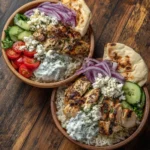
Welcome to the ultimate guide for crafting a restaurant-quality Chicken Shawarma Rice Bowl right in your own kitchen! This vibrant, flavor-packed dish marries the bold, aromatic spices of Middle Eastern shawarma with the comforting heartiness of a well-balanced grain bowl. Unlike traditional shawarma served in pita, this modern rice bowl iteration elevates the experience with nutrient-dense ingredients, customizable textures, and layered complexity—featuring tender, spiced grilled chicken, fragrant basmati or brown rice, creamy tahini sauce, crisp fresh vegetables, and zesty pickled garnishes. Whether you’re meal prepping for the week, hosting friends for a casual dinner, or simply craving something deeply satisfying yet wholesome, this bowl delivers bold taste without compromise—and it’s surprisingly simple to prepare once you understand the rhythm of its components.
The History
Shawarma traces its roots back to the Ottoman Empire in the 19th century, evolving from earlier vertical rotisserie techniques used for lamb in regions spanning modern-day Turkey, Lebanon, Syria, and Iraq. The word “shawarma” derives from the Arabic verb shāwir, meaning “to turn” or “to rotate”—a direct nod to the iconic vertical spit where marinated meat slowly roasts under radiant heat. As trade routes expanded and migration increased throughout the 20th century, shawarma traveled across borders, adapting regionally: Turkish döner kebab, Greek gyros, and Mexican al pastor all share this ancestral technique. In North America, shawarma gained widespread popularity through immigrant-owned food trucks and fast-casual eateries—particularly in cities like Toronto, Dearborn, and Los Angeles—where innovation led to creative reinterpretations. The Chicken Shawarma Rice Bowl is a contemporary fusion born from dietary shifts (gluten-free demand, grain bowl trends), wellness consciousness, and culinary cross-pollination. It reflects how global street food traditions are thoughtfully reimagined for modern lifestyles—retaining authenticity in spice profiles and preparation while embracing flexibility, balance, and visual appeal.
Ingredients Breakdown
Every exceptional Chicken Shawarma Rice Bowl rests on three foundational pillars: the marinated & cooked chicken, the base & supporting elements, and the finishing sauces & garnishes. Understanding the role of each ingredient ensures depth, contrast, and harmony in every bite.
- Chicken Breast or Thighs: Boneless, skinless chicken thighs are highly recommended for their superior tenderness, juiciness, and ability to absorb marinade without drying out—even when cooked at higher temperatures or slightly longer. Breasts work well for a leaner option but require careful attention to avoid overcooking.
- Shawarma Spice Blend: A signature amalgam typically includes ground cumin, coriander, paprika (smoked or sweet), turmeric, cinnamon, ginger, garlic powder, onion powder, cardamom, nutmeg, black pepper, and cayenne or Aleppo pepper for gentle heat. Authentic versions often use freshly toasted and ground whole spices for unparalleled aroma and potency.
- Yogurt-Based Marinade: Full-fat plain Greek yogurt acts as both a tenderizer (thanks to lactic acid and enzymes) and a flavor carrier. Its thick consistency clings to the chicken, allowing deep spice infusion while forming a subtle crust when grilled or roasted.
- Rice Base: Traditional shawarma bowls commonly feature long-grain basmati rice—steamed until fluffy and delicately scented with saffron, rosewater, or toasted cumin seeds. Brown rice, cauliflower rice, quinoa, or freekeh offer nutritious, fiber-rich alternatives aligned with various dietary goals (low-carb, high-fiber, gluten-free).
- Fresh Vegetables: Crisp romaine or butter lettuce provides cooling contrast; thinly sliced red onions add sharpness and crunch; diced tomatoes contribute brightness and acidity; shredded purple cabbage adds color, texture, and antioxidants; and chopped parsley or cilantro delivers herbal freshness.
- Tahini Sauce: The soulful, nutty counterpoint to spicy chicken—made from well-whisked sesame paste, fresh lemon juice, minced garlic, warm water for consistency, and a pinch of salt. Optional enhancements include a drizzle of pomegranate molasses or a splash of apple cider vinegar for tangy complexity.
- Pickled Elements: House-pickled red onions (quick-pickled in vinegar, sugar, salt, and warm spices) and/or turnips (traditionally pink from beet juice) lend essential acidity, brightness, and palate-cleansing vibrancy—critical for cutting through richness.
- Optional Luxe Additions: Toasted pine nuts or slivered almonds for crunch; crumbled feta or labneh for creamy saltiness; preserved lemon zest for intense citrus perfume; sumac for tangy, fruity tartness; harissa-infused oil for smoky heat.
Step-by-Step Recipe
Follow this meticulously tested, chef-informed sequence to build a Chicken Shawarma Rice Bowl that rivals top-tier Middle Eastern restaurants—complete with timing notes, pro techniques, and fail-safes.
- Marinate the Chicken (Minimum 4 hours, ideally overnight): In a large non-reactive bowl, whisk together 1 cup full-fat plain Greek yogurt, 3 tbsp lemon juice, 4 minced garlic cloves, 2 tbsp olive oil, 2 tsp ground cumin, 2 tsp ground coriander, 1½ tsp smoked paprika, 1 tsp ground turmeric, ½ tsp ground cinnamon, ½ tsp ground ginger, ¼ tsp ground cardamom, ¼ tsp grated nutmeg, 1 tsp kosher salt, ½ tsp black pepper, and ¼ tsp cayenne. Add 1.5 lbs boneless, skinless chicken thighs (cut into 1.5-inch strips). Massage marinade thoroughly into every piece. Cover and refrigerate—never at room temperature—for at least 4 hours (overnight yields optimal tenderness and flavor penetration).
- Prepare the Rice Base (20–25 minutes): Rinse 1.5 cups basmati rice under cold water until runoff is clear. Soak in cold water for 20 minutes, then drain. In a heavy-bottomed pot, toast 1 tbsp ghee or olive oil over medium heat. Add 1 tsp cumin seeds and 2 crushed green cardamom pods; sizzle 30 seconds until fragrant. Stir in drained rice and cook 1–2 minutes until lightly translucent. Add 3 cups hot water (or low-sodium chicken broth), 1 tsp salt, and optional pinch of saffron threads (soaked in 1 tbsp warm water). Bring to a vigorous boil, then reduce heat to the lowest setting, cover tightly with a lid wrapped in a clean kitchen towel (to trap steam), and simmer undisturbed for 15 minutes. Remove from heat and let steam, covered, for 10 more minutes. Fluff gently with a fork and set aside, uncovered, to cool slightly.
- Cook the Chicken (12–18 minutes): Heat a cast-iron skillet or grill pan over medium-high heat until smoking hot. Lightly oil surface. Shake excess marinade from chicken pieces (do not rinse). Arrange in a single layer without crowding. Sear 4–5 minutes per side until deeply golden-brown and internal temperature reaches 165°F (74°C). For extra char and smokiness, finish under a broiler for 1–2 minutes—or use a charcoal grill for authentic depth. Rest 5 minutes before slicing against the grain into thin strips.
- Make the Tahini Sauce (5 minutes): In a small bowl, whisk ½ cup well-stirred tahini paste with ¼ cup fresh lemon juice and 2 minced garlic cloves until smooth and thick. Gradually stream in 6–8 tbsp ice-cold water, whisking constantly, until silky and pourable (like heavy cream). Season with ¾ tsp salt and optional 1 tsp pomegranate molasses. Refrigerate up to 5 days.
- Quick-Pickle Red Onions (15 minutes active + 30 min rest): Thinly slice 1 large red onion. In a heatproof jar, combine ½ cup apple cider vinegar, ¼ cup warm water, 2 tbsp sugar, 1½ tsp kosher salt, ½ tsp black peppercorns, and ¼ tsp crushed red pepper flakes. Pour hot liquid over onions, ensuring full submersion. Cool to room temperature, then refrigerate at least 30 minutes (best after 2+ hours).
- Assemble the Bowls (5 minutes): Divide warm rice among four wide, shallow bowls. Arrange warm chicken strips over rice. Top with generous handfuls of romaine, purple cabbage, tomato, and pickled onions. Drizzle generously with tahini sauce. Finish with crumbled feta, toasted pine nuts, fresh parsley, a dusting of sumac, and a final squeeze of lemon.
Tips
- Marinade Mastery: Always marinate in glass, ceramic, or stainless steel—not aluminum or copper, which can react with acidic ingredients and impart off-flavors or discoloration.
- Don’t Skip the Rest: Allowing cooked chicken to rest before slicing preserves juices and ensures tenderness. Slicing too soon releases steam and moisture, resulting in drier meat.
- Rice Texture Secret: Soaking basmati rice removes excess starch, preventing gumminess. The towel-under-lid trick creates perfect steam pressure for distinct, non-sticky grains.
- Grill Pan Pro-Tip: For maximum char without smoke alarms, heat your pan until a drop of water skitters and evaporates instantly—then oil just before adding chicken. Avoid moving pieces until a crust forms.
- Tahini Consistency Control: If sauce thickens in the fridge, whisk in 1 tsp cold water at a time until desired flow returns. Never microwave—it can cause separation.
- Meal Prep Friendly: Marinated chicken freezes beautifully for up to 3 months. Cooked chicken and rice keep refrigerated for 4 days; tahini sauce lasts 1 week. Assemble bowls fresh for best texture.
- Acid Balance: Taste your tahini sauce and pickles separately—then adjust overall bowl acidity with lemon wedges at serving. Brightness lifts the entire profile.
- Layering Logic: Place hearty ingredients (rice, chicken) first, then delicate greens and herbs on top to prevent wilting. Sauces should be drizzled last—just before serving—to maintain visual appeal and textural contrast.
Variations and Customizations
This Chicken Shawarma Rice Bowl is gloriously adaptable—whether accommodating dietary needs, seasonal produce, pantry constraints, or adventurous cravings. Here’s how to make it uniquely yours:
- Dietary Adaptations: Gluten-Free: Naturally compliant—just verify spice blend and broth labels. Vegan/Vegetarian: Swap chicken for marinated & grilled halloumi, spiced chickpeas (tossed in shawarma spices + maple syrup + olive oil, roasted at 400°F for 25 mins), or soy curls. Use vegan tahini sauce (ensure no dairy-based additives). Keto/Low-Carb: Replace rice with riced cauliflower (sautéed with ghee and cumin), spiralized zucchini, or shredded lettuce base. Boost fats with extra tahini, avocado slices, and olive oil drizzle.
- Protein Swaps: Lamb shoulder (finely ground or thinly sliced), turkey breast, or even marinated tempeh offer compelling alternatives. Each requires adjusted marinating time and cooking method—lamb benefits from longer marination (12+ hrs); tempeh prefers a shorter soak (30–60 mins) due to density.
- Rice Alternatives: Brown basmati (nutty, chewy, high-fiber), forbidden black rice (earthy, antioxidant-rich), freekeh (smoky, green wheat with prebiotic fiber), or pearl couscous (for a Mediterranean twist—toast first in olive oil before boiling).
- Sauce Variations: Garlic toum (Lebanese emulsified garlic sauce), zhug (Yemeni cilantro-chili paste), amba (mango pickle condiment), or a cooling cucumber-yogurt raita infused with mint and cumin. For heat lovers: harissa-swirled tahini or sriracha-lime crema.
- Seasonal Twists: Spring: Add blanched asparagus tips and edible flowers. Summer: Grilled peaches, heirloom cherry tomatoes, and basil ribbons. Fall: Roasted sweet potato cubes, caramelized shallots, and pomegranate arils. Winter: Warm spiced lentils, sautéed kale with lemon zest, and roasted beetroot.
- Global Infusions: Japanese-inspired: Add nori strips, pickled ginger, wasabi-tahini, and sesame seeds. Mexican fusion: Swap spices for adobo + chipotle, top with avocado crema and pickled jalapeños. Indian twist: Use garam masala-forward marinade, serve with mango chutney and mint-cilantro chutney.
- Texture Upgrades: Crispy fried shallots, crushed roasted pistachios, toasted coconut flakes, croutons made from pita or naan, or even crispy chickpeas seasoned with shawarma spices.
Health Considerations and Nutritional Value
A thoughtfully composed Chicken Shawarma Rice Bowl is not only delicious—it’s a nutritionally intelligent meal that supports sustained energy, gut health, anti-inflammatory function, and metabolic balance. Here’s a detailed analysis based on a standard serving (1.5 cups cooked basmati rice, 5 oz marinated & grilled chicken thighs, ¼ cup tahini sauce, 1 cup mixed vegetables, 2 tbsp pickled onions, and garnishes):
- Caloric Profile: Approximately 620–750 kcal per bowl—moderate and satiating without being excessive. Adjust portion sizes to meet individual energy needs (e.g., athletes may increase protein/rice; weight management may emphasize veggies and reduce tahini to 1 tbsp).
- High-Quality Protein: Chicken thighs provide ~35g complete protein per serving—including all nine essential amino acids. They’re also rich in B vitamins (B3, B6, B12), selenium, zinc, and iron—supporting immunity, metabolism, and red blood cell formation.
- Smart Carbohydrates: Basmati rice has a lower glycemic index (~58) than regular white rice, promoting steadier blood sugar response. Its resistant starch content increases when cooled and reheated—feeding beneficial gut bacteria and improving insulin sensitivity.
- Heart-Healthy Fats: Tahini contributes monounsaturated and polyunsaturated fats, including omega-6 and sesamin (a lignan with cholesterol-lowering and antioxidant properties). Olive oil and chicken skin (if left on) add additional anti-inflammatory oleocanthal and vitamin E.
- Phytonutrient Powerhouse: Turmeric (curcumin), garlic (allicin), onions (quercetin), parsley (apigenin), and lemon (hesperidin) collectively deliver potent antioxidant, antimicrobial, and anti-inflammatory effects—clinically linked to reduced chronic disease risk.
- Gut Microbiome Support: Fermented or quick-pickled vegetables introduce beneficial lactic acid bacteria. High-fiber vegetables (cabbage, lettuce, tomatoes) act as prebiotics—fueling diverse microbial populations essential for immune regulation and mental health.
- Sodium Awareness: While flavorful, traditional preparations can be sodium-dense due to marinades, pickles, and cheeses. Mitigate by using low-sodium broth, limiting added salt, choosing unsalted nuts/cheese, and balancing with potassium-rich ingredients (tomatoes, spinach, avocado).
- Allergen Notes: Naturally nut-free (tahini is sesame seed paste, not a tree nut), dairy-free if using dairy-free yogurt in marinade and omitting feta—but always label-check spice blends and store-bought tahini for hidden allergens like milk solids or wheat.
Note: For those managing specific conditions (hypertension, diabetes, IBS, histamine intolerance), consult a registered dietitian to tailor spice intensity, ferment levels, FODMAP content (e.g., swap garlic/onion for infused oils), and glycemic load.
Ingredients
Makes 4 generous servings
For the Chicken Marinade & Cooking:
- 1.5 lbs boneless, skinless chicken thighs, trimmed and cut into 1.5-inch strips
- 1 cup full-fat plain Greek yogurt (not low-fat or flavored)
- 3 tbsp fresh lemon juice (about 1.5 lemons)
- 4 large garlic cloves, finely minced or pressed
- 2 tbsp extra-virgin olive oil
- 2 tsp ground cumin
- 2 tsp ground coriander
- 1½ tsp smoked paprika (or sweet paprika)
- 1 tsp ground turmeric
- ½ tsp ground cinnamon
- ½ tsp ground ginger
- ¼ tsp ground cardamom
- ¼ tsp freshly grated nutmeg
- 1 tsp kosher salt (or ¾ tsp fine sea salt)
- ½ tsp freshly ground black pepper
- ¼ tsp cayenne pepper (adjust to taste)
For the Rice Base:
- 1.5 cups aged basmati rice, rinsed and soaked 20 minutes
- 1 tbsp ghee or extra-virgin olive oil
- 1 tsp cumin seeds
- 2 green cardamom pods, lightly crushed
- 3 cups hot water or low-sodium chicken broth
- 1 tsp kosher salt
- Pinch of saffron threads (optional, soaked in 1 tbsp warm water)
For the Tahini Sauce:
- ½ cup well-stirred, runny tahini paste (no oil separation)
- ¼ cup fresh lemon juice (about 1 lemon)
- 2 large garlic cloves, finely minced
- 6–8 tbsp ice-cold water
- ¾ tsp kosher salt
- 1 tsp pomegranate molasses (optional, for depth)
For Assembly & Garnish:
- 1 large head romaine or butter lettuce, chopped
- 1 cup thinly shredded purple cabbage
- 1 large vine-ripened tomato, diced
- 1 large red onion, very thinly sliced (for pickling)
- ½ cup crumbled feta cheese (optional)
- ¼ cup toasted pine nuts or slivered almonds
- Fresh flat-leaf parsley and/or cilantro, chopped
- Sumac, for sprinkling
- Lemon wedges, for serving
For Quick-Pickled Red Onions:
- 1 large red onion, very thinly sliced
- ½ cup apple cider vinegar
- ¼ cup warm water
- 2 tbsp granulated sugar
- 1½ tsp kosher salt
- ½ tsp black peppercorns
- ¼ tsp crushed red pepper flakes
Directions
- Marinate the Chicken: In a large non-reactive bowl, whisk together yogurt, lemon juice, minced garlic, olive oil, cumin, coriander, paprika, turmeric, cinnamon, ginger, cardamom, nutmeg, salt, black pepper, and cayenne until fully combined and smooth. Add chicken strips and massage marinade evenly into every piece. Cover tightly and refrigerate for at least 4 hours—or preferably 12–24 hours—for maximum tenderness and flavor absorption.
- Prepare the Pickled Onions: While chicken marinates, combine apple cider vinegar, warm water, sugar, salt, peppercorns, and red pepper flakes in a small saucepan. Bring to a gentle simmer over medium heat, stirring until sugar and salt dissolve completely (about 2 minutes). Remove from heat and pour hot liquid over sliced red onions in a clean mason jar or heatproof container. Ensure onions are fully submerged. Let cool to room temperature, then cover and refrigerate for at least 30 minutes (ideally 2+ hours for deeper flavor).
- Cook the Rice: Drain soaked rice thoroughly. Heat ghee or olive oil in a heavy-bottomed pot (like Dutch oven) over medium heat. Add cumin seeds and crushed cardamom pods; toast 30 seconds until fragrant and sputtering. Stir in drained rice and cook, stirring constantly, for 1–2 minutes until edges turn translucent. Carefully pour in hot water or broth, saffron water (if using), and 1 tsp salt. Bring to a rapid boil. Once boiling, immediately reduce heat to the lowest possible setting. Cover pot tightly with a lid wrapped in a clean, dry kitchen towel (to absorb condensation and regulate steam). Simmer undisturbed for 15 minutes. Turn off heat and let steam, covered, for 10 more minutes. Remove lid, fluff gently with a fork, and spread onto a tray to cool slightly (prevents mushiness when assembling).
- Cook the Chicken: Heat a large cast-iron skillet or heavy grill pan over medium-high heat until shimmering hot (a drop of water should skitter and vanish instantly). Lightly brush surface with oil. Remove chicken from marinade, shaking off excess (do not rinse). Arrange in a single layer—do not overcrowd; work in batches if needed. Sear undisturbed for 4–5 minutes until deeply caramelized and easily releases from pan. Flip and sear opposite side for another 4–5 minutes, or until internal temperature reaches 165°F (74°C) when checked with an instant-read thermometer. Transfer to a clean plate, tent loosely with foil, and rest for 5 minutes. Slice thinly against the grain.
- Make the Tahini Sauce: In a medium bowl, whisk tahini and lemon juice together vigorously for 1 minute until thick and creamy. Whisk in minced garlic and salt. Gradually add ice-cold water, 1 tablespoon at a time, whisking continuously after each addition, until sauce reaches a smooth, pourable consistency (like heavy cream)—typically 6–8 tablespoons. Stir in pomegranate molasses if using. Taste and adjust salt or lemon as needed. Cover and refrigerate until ready to use (will thicken slightly when chilled).
- Assemble the Bowls: Divide warm rice evenly among four wide, shallow serving bowls. Arrange warm chicken strips over rice. Scatter chopped romaine, purple cabbage, and diced tomato over top. Drain pickled onions and distribute evenly. Generously drizzle with tahini sauce. Sprinkle with crumbled feta, toasted pine nuts, fresh parsley or cilantro, and a light dusting of sumac. Serve immediately with lemon wedges on the side for squeezing.
FAQ
- Can I use chicken breast instead of thighs?
- Yes—but thighs are strongly recommended for their fat content, which prevents drying during grilling and enhances marinade absorption. If using breasts, pound to even ½-inch thickness, reduce marinating time to 2 hours max (to avoid mushiness from yogurt’s enzymes), and cook just until 160°F—then rest to 165°F. Consider brining first for added moisture.
- Why does my tahini sauce seize or become lumpy?
- This happens when cold tahini meets cold lemon juice too quickly—or when insufficient water is added. Always start with room-temp tahini and whisk *vigorously* before adding lemon. Then add water gradually while whisking constantly. If seized, keep whisking—it will eventually emulsify. Adding 1 tsp warm water can help reset stubborn batches.
- How do I prevent soggy rice in my bowl?
- Use the soak-and-toast method described, drain rice extremely well before cooking, and always let cooked rice steam off heat before fluffing. Spread on a tray to cool 5–10 minutes before assembling—this removes surface moisture. Avoid covering rice while warm; condensation causes clumping.
- Can I make this ahead for meal prep?
- Absolutely! Marinate chicken up to 2 days ahead. Cook chicken and rice up to 4 days ahead—store separately in airtight containers in the fridge. Tahini sauce keeps 1 week. Pickled onions last 3 weeks. Assemble bowls fresh or layer components in jars (rice on bottom, chicken next, veggies above, sauce separate) for grab-and-go ease.
- Is shawarma spice blend the same as curry powder or garam masala?
- No—they share some overlapping spices (cumin, coriander, cinnamon) but differ significantly in ratios, additional components, and cultural origin. Shawarma spice is earthy, warm, and subtly sweet with prominent cumin/coriander/paprika; curry powder emphasizes turmeric, fenugreek, and mustard; garam masala is sweeter and more floral (cloves, cardamom, mace). Substituting may yield delicious results—but not authentic shawarma flavor.
- My chicken turned out bland—what went wrong?
- Most likely under-marination (less than 4 hours), using low-fat yogurt (which lacks fat to carry fat-soluble flavors), insufficient salting (salt is essential for flavor penetration), or overcrowding the pan (causing steaming instead of searing). Also verify freshness of spices—ground spices lose potency after 6–12 months.
- Can