Introduction
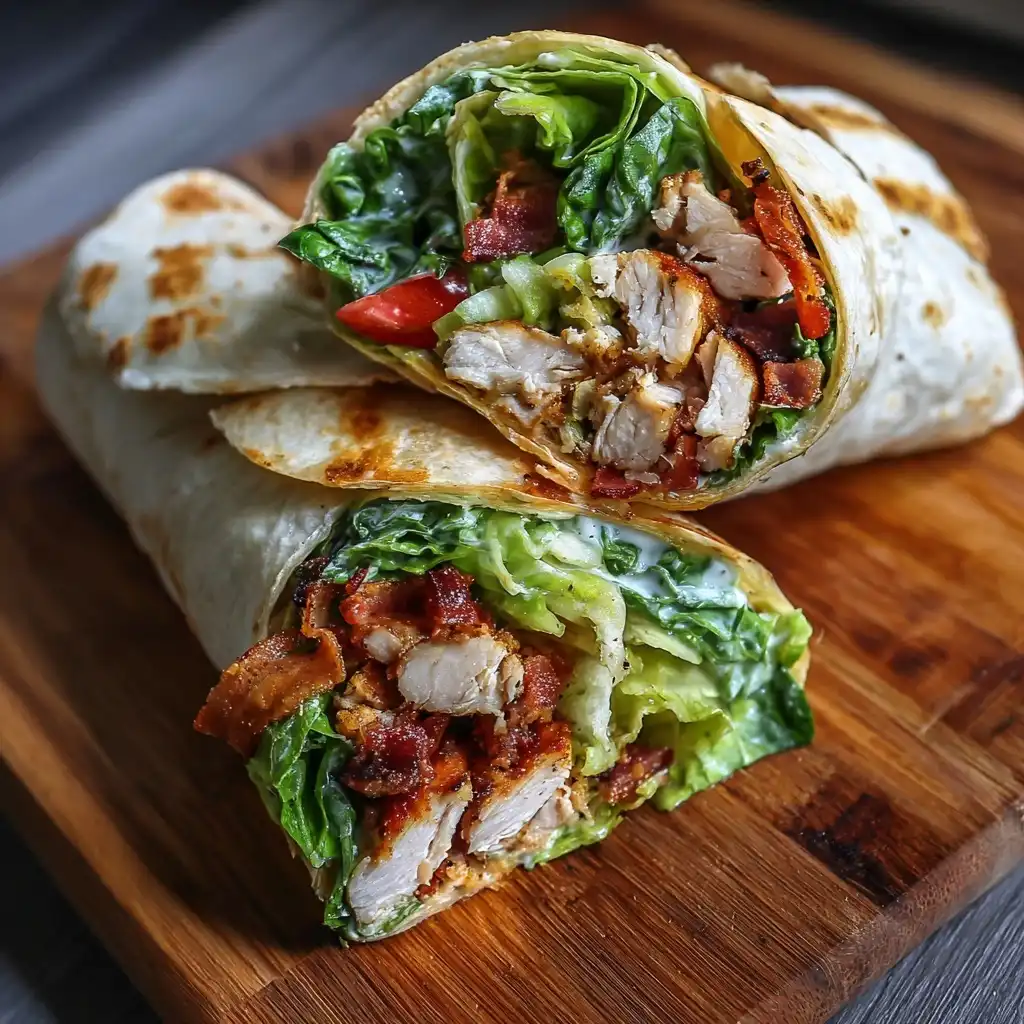
Chicken Caesar Wraps are the quintessential fusion of classic comfort and modern convenience—elevating the beloved Caesar salad into a portable, handheld masterpiece. Perfect for busy professionals, health-conscious families, meal-prep enthusiasts, or anyone craving bold flavor without the fuss, this dish marries tender grilled chicken, crisp romaine lettuce, creamy yet zesty Caesar dressing, sharp Parmesan cheese, and crunchy croutons—all wrapped snugly in a soft, pliable tortilla. Unlike traditional salads served on a plate, the wrap format locks in freshness, prevents sogginess, and delivers every element in perfect, balanced bites. Whether enjoyed cold straight from the fridge, lightly warmed for enhanced aroma and texture, or packed for lunch, picnics, or post-workout fuel, Chicken Caesar Wraps embody versatility, nutrition, and timeless appeal—all while honoring the rich culinary legacy of its namesake.
The History
The origins of the Chicken Caesar Wrap trace back—not to ancient Rome, as the name might whimsically suggest—but to the vibrant evolution of American sandwich culture in the late 20th century. Its lineage begins with the iconic Caesar Salad, invented in 1924 by Italian-Mexican restaurateur Caesar Cardini in Tijuana, Mexico. Cardini famously crafted the dish tableside during a Fourth of July rush using what was on hand: romaine lettuce, garlic, lemon, olive oil, egg, Worcestershire sauce, anchovies, croutons, and Parmesan—creating a sensation that crossed borders and decades. As salad culture flourished in the U.S., chefs and home cooks began experimenting with deconstructed and reimagined versions. The rise of the “wrap” format—popularized in the 1980s and ’90s with the mass availability of large, flexible flour tortillas—provided the ideal vessel for portable, no-utensil-required meals. Adding grilled or roasted chicken transformed the vegetarian original into a protein-rich, satiating option, aligning with growing consumer demand for lean, satisfying fare. By the early 2000s, Chicken Caesar Wraps had cemented themselves on café menus nationwide—from Panera Bread and Cosi to gourmet food trucks—and soon became a staple in home kitchens, meal-prep blogs, and fitness communities alike. Today, it stands as a testament to culinary adaptation: a globally cherished salad reborn as an accessible, customizable, and deeply flavorful handheld experience.
Ingredients Breakdown
Understanding each component deepens both appreciation and execution. Here’s why every ingredient matters:
- Chicken Breast (boneless, skinless): The protein anchor—lean, mild in flavor, and highly adaptable. Opt for organic, air-chilled, or pasture-raised when possible for superior texture and ethical sourcing. Marinating enhances juiciness and depth; even 15 minutes makes a difference.
- Romaine Lettuce: Chosen for its rigid ribs, sweet-tart crunch, and sturdy leaves that hold up to dressing without wilting. Inner hearts offer tenderness; outer leaves provide more robust texture and higher nutrient density (especially vitamin K and folate).
- Caesar Dressing: The soul of the wrap. Traditional versions contain raw egg yolk, garlic, Dijon mustard, lemon juice, Worcestershire, anchovy paste or fillets (for umami depth), olive oil, and grated Parmesan. Store-bought dressings vary widely—look for those with real anchovies, minimal preservatives, and no high-fructose corn syrup. Vegan or dairy-free alternatives often use capers, miso, or nutritional yeast to replicate savory complexity.
- Freshly Grated Parmigiano-Reggiano: Not just “Parmesan cheese”—true Italian PDO-certified Parmigiano-Reggiano delivers nutty, crystalline umami and a granular texture that clings beautifully to lettuce and chicken. Pre-grated versions contain anti-caking agents and lose aromatic volatility.
- Homemade Croutons: Far superior to shelf-stable varieties. Cubed day-old sourdough or ciabatta, tossed in olive oil, garlic powder, dried oregano, and sea salt, then baked until golden and crisp, add essential textural contrast and toasted depth. Stale bread absorbs less oil and yields superior crunch.
- Flour Tortillas (10–12 inch): The structural foundation. Look for low-moisture, pliable wraps with minimal additives—whole wheat, spinach, tomato, or almond-flour tortillas expand dietary inclusivity. Warm gently before wrapping to improve flexibility and prevent tearing.
- Optional Enhancements: A whisper of lemon zest brightens acidity; a handful of chopped fresh parsley adds herbaceous freshness; a few drops of high-quality aged balsamic glaze introduces subtle sweetness and viscosity; a sprinkle of red pepper flakes or smoked paprika adds gentle heat or smokiness.
Step-by-Step Recipe
- Prepare the Chicken: Pat 2 boneless, skinless chicken breasts (about 6 oz each) dry. Season generously with kosher salt, freshly ground black pepper, 1 tsp garlic powder, 1 tsp onion powder, and ½ tsp dried oregano. Heat 1 tbsp extra-virgin olive oil in a stainless steel or cast-iron skillet over medium-high heat. Sear chicken 5–6 minutes per side until internal temperature reaches 165°F (74°C). Transfer to a cutting board; let rest 8 minutes, then slice thinly against the grain into ¼-inch strips. Optional: Marinate 30 minutes prior in 2 tbsp Caesar dressing + 1 minced garlic clove for amplified flavor.
- Make Homemade Croutons: Preheat oven to 375°F (190°C). Cut 2 cups of day-old rustic bread into ¾-inch cubes. In a bowl, toss with 2 tbsp olive oil, 1 minced garlic clove, ½ tsp dried thyme, ¼ tsp crushed red pepper, and ½ tsp flaky sea salt. Spread evenly on a parchment-lined baking sheet. Bake 12–15 minutes, flipping halfway, until golden and crisp. Cool completely.
- Prep the Greens: Wash 1 large head of romaine thoroughly under cold running water. Remove outer, bruised leaves. Core and chop into 1½-inch pieces. Spin dry in a salad spinner or pat vigorously with clean kitchen towels—excess moisture is the #1 cause of soggy wraps.
- Assemble the Dressing Base: In a large mixing bowl, combine ⅓ cup authentic Caesar dressing (homemade or high-quality store-bought), 1 tbsp fresh lemon juice, 1 tsp Dijon mustard, and 1 tsp grated lemon zest. Whisk until emulsified and glossy.
- Toss & Temper: Add romaine to the dressing bowl. Using clean hands or tongs, gently toss for 45–60 seconds—just enough to coat each leaf without bruising. Let sit 2 minutes to allow flavors to meld and leaves to slightly soften (but remain crisp). This “tempering” step ensures optimal texture and flavor integration.
- Warm the Tortillas: Heat a dry skillet over medium heat. Warm each 10-inch whole wheat tortilla for 15–20 seconds per side until pliable and fragrant. Stack wrapped in a clean kitchen towel to retain steam and flexibility.
- Layer Strategically: Lay a warm tortilla flat. In the lower third, spread a thin layer (1 tsp) of Caesar dressing to act as “glue.” Next, place a modest bed (¾ cup) of dressed romaine. Top evenly with sliced chicken (½ cup), croutons (¼ cup), and a generous 2 tbsp freshly grated Parmigiano-Reggiano. Avoid overfilling—the ideal ratio is 60% greens, 25% protein, 15% toppings.
- Wrap with Precision: Fold the bottom edge up over filling. Tuck tightly. Fold left and right sides inward (like an envelope). Roll forward firmly but gently, applying even pressure to compact layers without squeezing out ingredients. Seal seam-side down on a cutting board for 1 minute to set shape.
- Chill & Slice (Optional but Recommended): For clean cuts and enhanced cohesion, refrigerate wrapped wraps (uncovered) for 20–30 minutes. Slice diagonally with a serrated knife for elegant presentation and easier eating.
- Serve Thoughtfully: Serve chilled or at room temperature. Accompany with extra dressing for dipping, lemon wedges, a side of marinated olives, or a small arugula-and-cherry-tomato salad for contrast.
Tips
- Prevent Sogginess: Always dry romaine *thoroughly*. Never dress greens more than 10 minutes before assembling. If prepping ahead, store dressed lettuce and fillings separately—and assemble within 30 minutes of serving.
- Maximize Flavor Penetration: Lightly score chicken breasts before marinating to increase surface area. Or brine briefly (30 min in 1 cup water + 1 tbsp salt + 1 tsp sugar) for unparalleled juiciness and seasoning depth.
- Tortilla Tricks: Use slightly larger tortillas (12-inch) if new to wrapping—they offer margin for error. If tortillas crack, they’re too cold or stale—warm again or substitute with collard green leaves for a grain-free, ultra-fresh alternative.
- Dressing Control: Start with less dressing than you think you need—add incrementally. Over-dressed wraps leak, slide apart, and mute textural contrast. Remember: croutons absorb excess liquid, so balance is key.
- Cutting Cleanly: Use a sharp, serrated knife and apply gentle sawing motion—not downward pressure—to avoid squashing. Chill wraps first, and wipe the blade between cuts for pristine slices.
- Meal-Prep Smart: Assemble wraps without croutons and store chilled for up to 2 days. Add croutons and extra Parmesan *just before eating* to preserve crunch. Keep dressing separate in tiny containers for custom application.
- Grill Variation: For smoky nuance, grill chicken and croutons over charcoal or gas. Brush tortillas lightly with garlic-infused oil and grill 10 seconds per side for charred aroma and suppleness.
- Texture Layering: Place softer elements (chicken, cheese) near the center; sturdier ones (croutons, romaine ribs) toward the edges to maintain structural integrity during rolling.
- Flavor Boosters: Add 1 tsp capers or ½ tsp anchovy paste directly to dressing for deeper umami. Finish with microgreens or edible flowers for visual elegance and delicate flavor notes.
- Leftover Magic: Repurpose leftover chicken and romaine into Caesar fried rice, grain bowls, omelets, or blended into a green Caesar smoothie with Greek yogurt and ice.
Variations and Customizations
Chicken Caesar Wraps thrive on personalization—here’s how to adapt them across diets, preferences, and occasions:
- Gluten-Free: Swap standard tortillas for certified GF options made from brown rice, cassava, or coconut flour. Ensure croutons are GF-certified (many brands now offer crispy almond or seed-based versions). Verify Worcestershire and dressing labels—some contain malt vinegar or gluten-derived thickeners.
- Keto/Low-Carb: Replace tortillas with large butter lettuce cups (romaine hearts or Bibb), collard green leaves blanched for 10 seconds, or thin almond flour flatbreads. Boost fat with avocado slices, extra olive oil in dressing, or crumbled bacon. Skip croutons or use pork rinds.
- Vegan: Substitute chicken with marinated and grilled tofu, tempeh, or chickpeas. Use vegan Caesar dressing (with capers, miso, nori, or nutritional yeast instead of anchovies/eggs), vegan Parmesan (cashew-based or store-bought), and croutons made from GF bread or seeds. Add sun-dried tomatoes or roasted beets for umami richness.
- Paleo/Whole30: Omit cheese, croutons, and traditional dressing. Use compliant “Caesar” dressing (made with avocado oil, lemon, garlic, Dijon, anchovies, and egg yolk—check Whole30 app for approved brands). Wrap in collard greens or nori sheets. Add sliced apple or jicama for crunch and sweetness.
- Spicy Kick: Add pickled jalapeños, chipotle Caesar dressing, or a swirl of harissa before wrapping. Top with crumbled cotija and cilantro for Mexican-Italian fusion flair.
- Mediterranean Twist: Include kalamata olives, roasted red peppers, cucumber ribbons, and feta instead of Parmesan. Use lemon-oregano marinade on chicken and tzatziki-infused Caesar dressing.
- Breakfast Version: Use scrambled eggs or turkey bacon instead of chicken. Add avocado, cherry tomatoes, and a touch of hot honey. Serve with a side of roasted potatoes.
- Brunch Showstopper: Fill with poached chicken, frisée, shaved fennel, and truffle-infused Caesar. Garnish with edible chrysanthemum petals and a drizzle of white balsamic reduction.
- Kid-Friendly: Skip anchovies and garlic in dressing; use mild Romano or Asiago. Add shredded carrots or apple matchsticks. Cut wraps into bite-sized pinwheels and secure with toothpicks.
- Gourmet Dinner Party: Serve mini versions (using 6-inch lavash or lavash crackers as “taco shells”) topped with seared scallops, micro arugula, lemon-infused croutons, and lemon-thyme aioli drizzle.
Health Considerations and Nutritional Value
A well-crafted Chicken Caesar Wrap is not only delicious but nutritionally intelligent—when thoughtfully composed. Below is a detailed analysis of a standard serving (one 10-inch wrap, made with 4 oz grilled chicken breast, 2 cups romaine, 1 tbsp olive oil-based Caesar dressing, ¼ cup croutons, and 2 tbsp Parmesan):
- Calories: ~420–480 kcal — balanced between lean protein, complex carbs, and heart-healthy fats.
- Protein: ~32–38 g — supports muscle maintenance, satiety, and metabolic function. Chicken provides all 9 essential amino acids; Parmesan adds casein for sustained release.
- Fiber: ~4–6 g — primarily from romaine (vitamin K-rich) and whole wheat tortillas (if used), promoting digestive regularity and gut microbiome diversity.
- Healthy Fats: ~18–22 g — mostly monounsaturated (olive oil, Parmesan) and omega-3s (anchovies in authentic dressing), supporting cardiovascular health, brain function, and anti-inflammatory pathways.
- Vitamins & Minerals: Exceptionally high in Vitamin K (120% DV from romaine), Vitamin A (beta-carotene), folate, calcium (from Parmesan), selenium (chicken), and antioxidants like lutein and zeaxanthin (eye health).
- Sodium Considerations: Ranges from 580–820 mg depending on dressing, cheese, and seasoning. Reduce by using low-sodium Parmesan, making dressing without added salt, and omitting extra table salt on chicken.
- Sugar Content: Naturally low (<2 g) unless using commercial dressings loaded with hidden sugars (check labels—many contain 3–5 g per tbsp). Homemade versions eliminate this concern entirely.
- Digestibility Notes: Romaine is low-FODMAP in moderate servings (1 cup), making it suitable for many with IBS. Fermented dressing components (Worcestershire, anchovies) may support gut health via enzymatic activity.
- Allergen Awareness: Contains dairy (cheese, dressing), eggs (in traditional dressing), gluten (tortillas, croutons), and fish (anchovies). Easily modified—as noted in Variations—for common sensitivities.
- Balanced Macros: Approx. 40% protein, 35% healthy fats, 25% complex carbohydrates — aligning with evidence-based recommendations for sustained energy, blood sugar stability, and appetite regulation.
For those managing specific conditions—such as hypertension, diabetes, or PCOS—this wrap offers excellent adaptability: prioritize low-sodium preparations, increase non-starchy veg volume, and pair with a side of berries or lentils for glycemic buffering. Registered dietitians frequently recommend it as a “foundation meal” for building balanced plates due to its modular, nutrient-dense architecture.
Ingredients
- 2 boneless, skinless chicken breasts (about 6 oz each)
- 1 tbsp extra-virgin olive oil (plus additional for croutons)
- 1½ tsp kosher salt (divided)
- 1 tsp freshly ground black pepper (divided)
- 1 tsp garlic powder
- 1 tsp onion powder
- ½ tsp dried oregano
- 1 large head romaine lettuce (inner hearts preferred)
- ⅓ cup authentic Caesar dressing (see note below)
- 1 tbsp fresh lemon juice
- 1 tsp Dijon mustard
- 1 tsp finely grated lemon zest
- 2 cups day-old rustic bread (sourdough or ciabatta), cubed
- 2 cloves garlic, minced
- ½ tsp dried thyme
- ¼ tsp crushed red pepper flakes
- 4 (10-inch) whole wheat or multigrain flour tortillas
- ½ cup freshly grated Parmigiano-Reggiano cheese (not pre-grated)
- Optional garnishes: lemon wedges, fresh parsley, microgreens, cracked black pepper
Note on Dressing: For homemade Caesar dressing, whisk together 1 large pasteurized egg yolk, 2 minced garlic cloves, 2 tsp Dijon mustard, 2 tbsp fresh lemon juice, 1 tsp Worcestershire sauce, 1 tsp anchovy paste (or 2 mashed anchovy fillets), ½ tsp kosher salt, and ¼ tsp white pepper. Slowly drizzle in ½ cup extra-virgin olive oil while whisking vigorously until thick and emulsified. Stir in 2 tbsp grated Parmesan. Refrigerate up to 5 days. For egg-free or vegan versions, see Variations section.
Directions
- Season and Cook Chicken: Pat chicken dry with paper towels. In a small bowl, combine 1 tsp salt, ½ tsp black pepper, garlic powder, onion powder, and oregano. Rub evenly over both sides of chicken. Heat olive oil in a heavy-bottomed skillet over medium-high heat until shimmering. Add chicken; cook 5–6 minutes per side, until golden and internal temperature reaches 165°F. Transfer to a cutting board; tent loosely with foil and rest 8 minutes. Slice thinly against the grain.
- Prepare Croutons: Preheat oven to 375°F. On a parchment-lined baking sheet, combine bread cubes, 2 tbsp olive oil, minced garlic, thyme, red pepper flakes, remaining ½ tsp salt, and remaining ½ tsp black pepper. Toss until evenly coated. Spread in single layer. Bake 12–15 minutes, stirring once halfway, until golden brown and crisp. Cool completely.
- Wash & Dry Greens: Separate romaine leaves. Submerge in a large bowl of cold water; swish gently to dislodge grit. Lift out (don’t pour—sediment sinks). Repeat if needed. Spin dry in salad spinner 3x, or pat meticulously with clean cotton towels until completely moisture-free.
- Make Dressing Base: In a large glass or ceramic bowl, whisk Caesar dressing, lemon juice, Dijon mustard, and lemon zest until smooth and cohesive.
- Toss Greens: Add romaine to bowl. Using hands or salad tongs, gently toss 45–60 seconds until every leaf is lightly coated. Let sit 2 minutes to allow subtle wilting and flavor absorption.
- Warm Tortillas: Heat a dry cast-iron or nonstick skillet over medium heat. Warm each tortilla 15–20 seconds per side until soft, pliable, and faintly speckled. Stack wrapped in a clean kitchen towel.
- Assemble: Lay one warm tortilla flat. Spread 1 tsp Caesar dressing across lower third. Place ¾ cup dressed romaine horizontally across center. Top with ½ cup sliced chicken, ¼ cup croutons, and 2 tbsp Parmigiano-Reggiano. Keep fillings compact and centered.
- Wrap Tightly: Fold bottom edge up over filling. Tuck snugly. Fold left and right edges inward. Roll forward firmly, applying gentle, even pressure. Seal seam-side down on board for 1 minute.
- Chill & Serve: Refrigerate uncut wraps for 20–30 minutes for easier slicing. Slice diagonally with serrated knife. Serve immediately—or pack in parchment-wrapped, airtight containers for up to 24 hours (add croutons fresh at time of eating).
FAQ
- Can I make Chicken Caesar Wraps ahead of time?
- Yes—with smart planning. Assemble wraps without croutons up to 2 days in advance and refrigerate wrapped tightly in parchment + beeswax wrap or reusable silicone bags. Add croutons, extra cheese, and a final drizzle of dressing just before serving to maintain optimal texture and freshness.
- What’s the best tortilla for these wraps?
- Look for pliable, low-moisture tortillas labeled “soft” or “wrap-style.” Whole wheat, spinach, or tomato varieties add nutrients and visual appeal. For gluten-free needs, try Siete Foods Almond Flour Tortillas or Mission GF Multigrain. Always warm tortillas before wrapping—they become dramatically more forgiving and less prone to tearing.
- Is traditional Caesar dressing safe to eat?
- Authentic versions contain raw egg yolk, which poses minimal risk when using pasteurized eggs (widely available in U.S. grocery stores). For immunocompromised individuals, pregnant people, or young children, opt for pasteurized egg-based dressings or fully cooked alternatives (e.g., boiled egg yolk blended with other ingredients). Vegan versions eliminate eggs entirely.
- Why does my wrap fall apart?
- Most commonly due to overfilling, insufficient warming of the tortilla, excess moisture in greens, or skipping the “tuck-and-seal” technique. Try reducing filling by 20%, warming tortillas longer, drying romaine more aggressively, and pressing firmly while rolling. Practice makes perfect—your second wrap will be significantly tighter than your first.
- Can I freeze Chicken Caesar Wraps?
- Not recommended. Freezing causes romaine to turn limp and watery upon thawing, and tortillas become leathery or brittle. Instead, freeze cooked, seasoned chicken separately (up to 3 months), and prep fresh greens, croutons, and dressing weekly for rapid assembly.
- What can I use instead of croutons for crunch?
- Excellent alternatives include toasted pine nuts, slivered almonds, sunflower seeds, crushed tortilla chips, roasted chickpeas, or even jicama or cucumber ribbons for refreshing, hydrating crunch—ideal for low-calorie or keto variations.
- How do I keep the wrap from getting soggy at lunch?
- Use a double-layer of parchment paper inside your lunch container, place wrap seam-side down, and include a small paper towel folded beside it to absorb ambient condensation. Never store with wet ingredients (e.g., tomatoes, cucumbers) unless added fresh at lunchtime.
- Are anchovies necessary in Caesar dressing?
- They’re traditional and irreplaceable for authentic umami depth—but not mandatory. Anchovy paste dissolves seamlessly and adds complexity without fishy taste. If avoiding entirely, boost savoriness with ½ tsp white miso, 1 tsp capers (rinsed and mashed), or 1 tsp soy sauce (tamari for GF). Taste and adjust.
- Can I grill the entire wrap?
- Absolutely—grilling adds smoky dimension and seals the seam. Lightly brush outside of assembled (but unchilled) wrap with olive oil. Grill over medium heat 1–2 minutes per side on a griddle or in a ridged pan until golden and lightly charred. Slice and serve immediately.
- What wine or beverage pairs well?
- A crisp, high-acid white like Vermentino, Sauvignon Blanc, or unoaked Chardonnay complements the lemon-garlic notes and cuts through richness. For non-alcoholic options, sparkling water with lemon-lime twist, hibiscus iced tea, or cold-brewed green tea with mint offer refreshing balance.
Summary
Chicken Caesar Wraps are a masterclass in culinary synergy—transforming the timeless elegance of Caesar salad into a versatile, nutrient-dense, and endlessly customizable handheld meal that satisfies cravings, supports wellness goals, and adapts effortlessly to dietary needs, cooking skill levels, and lifestyle rhythms.
From its roots in Tijuana’s historic restaurant scene to today’s global kitchens and meal-prep routines, this dish endures not just for convenience—but because every thoughtful bite delivers vibrant crunch, savory depth, clean protein, and the unmistakable, addictive tang of perfectly balanced Caesar tradition.