Introduction
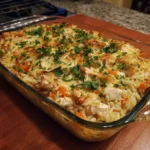
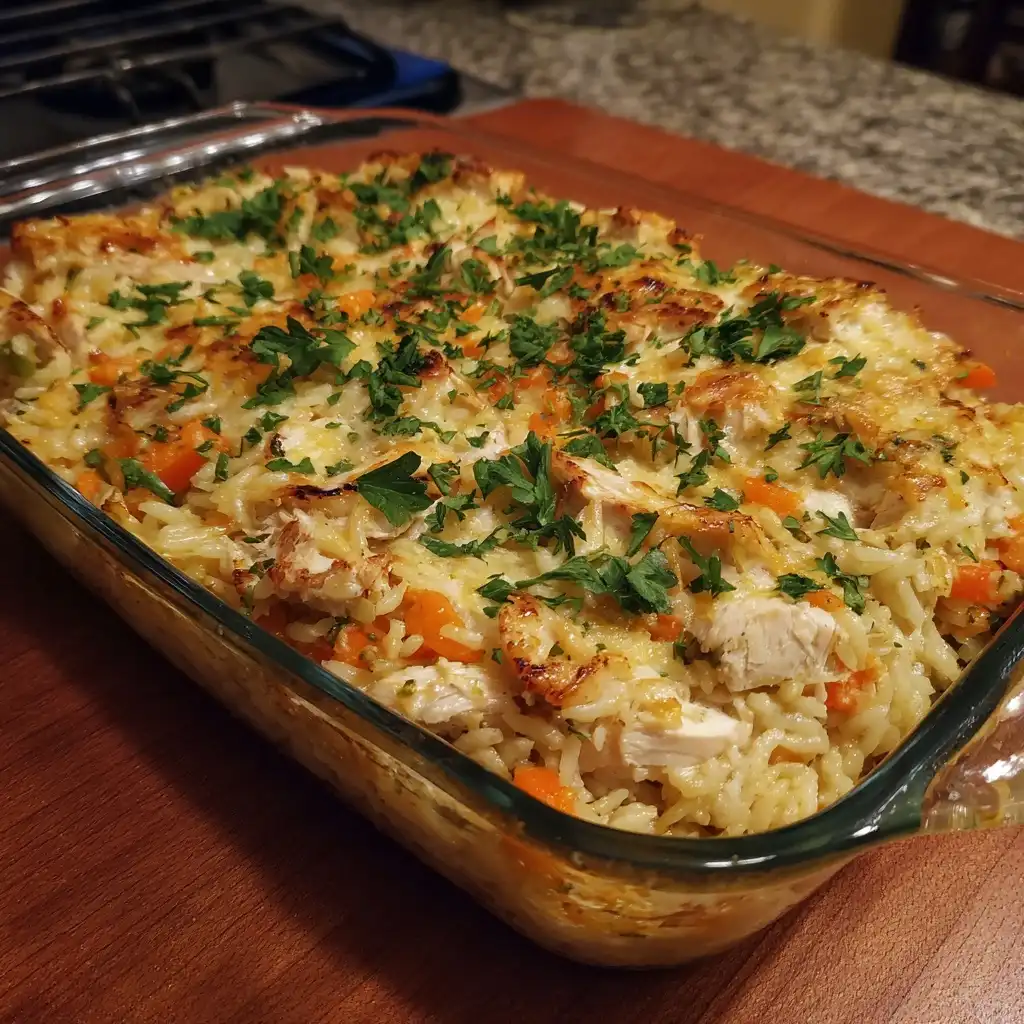
Chicken and Rice Casserole is a beloved, soul-soothing classic that embodies the very essence of home cooking—comforting, nourishing, and endlessly adaptable. This hearty one-dish meal brings together tender shredded or diced chicken, creamy or savory rice, rich broth or sauce, and a medley of vegetables and seasonings, all baked to golden perfection. Whether served at a bustling family dinner, a potluck gathering, or as comforting leftovers reheated with care, it delivers consistent satisfaction with minimal fuss. Its enduring popularity lies not only in its delicious simplicity but also in its remarkable flexibility: it welcomes pantry staples, accommodates dietary preferences, and transforms humble ingredients into something deeply satisfying and memorable.
The History
The origins of Chicken and Rice Casserole trace back to the early-to-mid 20th century in the United States—a period marked by culinary innovation, economic pragmatism, and the rise of convenience cooking. As canned soups (especially cream-of-mushroom), boxed rice mixes, and pre-cooked poultry became widely available in the 1940s and 1950s, home cooks began experimenting with layered, oven-baked combinations that minimized stove time and maximized flavor. Influenced by Depression-era resourcefulness and post-war suburban domesticity, casseroles emerged as symbols of efficiency and hospitality—dishes that could feed many using affordable proteins and grains. While rice-based poultry bakes existed globally for centuries (think Persian tahchin, Spanish arroz con pollo, or West African jollof variations), the American “chicken and rice casserole” as we know it crystallized in mid-century community cookbooks, church fundraisers, and Betty Crocker publications. Over decades, it evolved from a strictly condensed-soup-and-canned-vegetable affair into a gourmet canvas—elevated with artisanal broths, wild or brown rice blends, fresh herbs, roasted vegetables, and even global spice profiles—yet never losing its foundational warmth and approachability.
Ingredients Breakdown
Understanding each component deepens both appreciation and mastery of this casserole:
- Chicken: Boneless, skinless chicken breasts or thighs are most common. Breasts yield lean, mild flavor; thighs offer richer taste and superior moisture retention during baking. Rotisserie chicken is a popular shortcut—shredded and added at the end of prep to preserve tenderness.
- Rice: Long-grain white rice (like jasmine or basmati) offers fluffy texture and subtle aroma; converted (parboiled) rice holds up well to extended baking. Brown rice adds nuttiness and fiber but requires longer cooking or pre-boiling. Wild rice blends contribute earthy depth and visual appeal. Instant or quick-cook rice works in a pinch but may become overly soft—best used in recipes designed specifically for them.
- Liquid Base: Chicken broth (low-sodium preferred for control) provides foundational savoriness. Creamy versions often use a mixture of broth and milk, half-and-half, or evaporated milk for richness without curdling. Some recipes call for sour cream, Greek yogurt, or cream cheese for tang and velvety body.
- Aromatics & Vegetables: Onions, garlic, celery, and carrots (a classic mirepoix) form the flavor base—sautéed first to deepen sweetness and complexity. Frozen peas, corn, and green beans add color, texture, and nutrition. Sautéed mushrooms lend umami; roasted red peppers or spinach bring brightness and earthiness.
- Binders & Thickeners: While some casseroles rely on rice’s natural starch and slow absorption, others use roux-thickened sauces, slurry (cornstarch + cold water), or cream-based reductions. Condensed soups historically served this function—but modern versions often replace them with from-scratch alternatives for cleaner flavor and reduced sodium.
- Herbs & Seasonings: Dried thyme, rosemary, sage, and poultry seasoning evoke traditional roast chicken notes. Fresh parsley, dill, or chives add vibrancy at the finish. Lemon zest or juice can lift richness; a splash of white wine deglazes the pan beautifully during stovetop prep.
- Toppings: A golden crust is signature—and optional but highly recommended. Options include buttered panko breadcrumbs, crushed crackers (Ritz or saltines), grated Parmesan or sharp cheddar, toasted slivered almonds, or even a light layer of puff pastry. These add textural contrast and visual allure.
Step-by-Step Recipe
This detailed, chef-informed method ensures foolproof results every time—whether you’re a novice or a seasoned home cook:
- Prep & Preheat: Position oven rack in the center. Preheat oven to 375°F (190°C). Lightly grease a 9×13-inch baking dish (or 3-quart casserole dish) with butter, oil, or nonstick spray.
- Sauté Aromatics: In a large skillet or Dutch oven over medium heat, melt 2 tbsp unsalted butter or olive oil. Add 1 finely diced yellow onion, 2 minced garlic cloves, 2 diced celery stalks, and 1 grated or finely diced carrot. Sauté 6–8 minutes until softened and fragrant—stirring frequently to prevent browning. Optional: Add 8 oz sliced cremini mushrooms and cook until golden and moisture evaporates (~5 min).
- Build the Sauce Base: Sprinkle in ¼ cup all-purpose flour (or gluten-free 1:1 blend) and stir constantly for 1–2 minutes to cook off raw taste. Gradually whisk in 2 cups low-sodium chicken broth (warm, not cold), followed by ½ cup whole milk or evaporated milk. Whisk vigorously to eliminate lumps. Bring to a gentle simmer, reduce heat to low, and cook 3–4 minutes until thickened to a coat-the-back-of-a-spoon consistency.
- Incorporate Dairy & Seasoning: Remove from heat. Stir in ½ cup full-fat sour cream (or plain Greek yogurt), ¼ cup grated Parmesan, 1 tsp dried thyme, ½ tsp smoked paprika (optional), ½ tsp black pepper, and 1 tsp kosher salt (adjust to taste). Taste and adjust—remember, rice will absorb seasoning as it bakes.
- Combine Components: In a large mixing bowl, combine 2 cups cooked long-grain white rice (cooled slightly), 3 cups shredded cooked chicken (rotisserie or poached), and the sautéed vegetable mixture. Gently fold in the warm sauce until evenly distributed. Fold in 1 cup frozen peas and ½ cup frozen corn (no need to thaw). For extra richness, stir in ¼ cup chopped fresh parsley and 1 tbsp lemon juice.
- Transfer & Smooth: Pour mixture into the prepared baking dish. Spread evenly with a spatula. Smooth the top and gently press down to eliminate air pockets—this promotes even baking and cohesive texture.
- Add Topping: In a small bowl, mix ½ cup panko breadcrumbs, 2 tbsp melted butter, 2 tbsp grated Parmesan, and a pinch of garlic powder. Sprinkle evenly over the casserole surface.
- Bake: Cover tightly with aluminum foil (tent slightly to prevent sticking). Bake for 25 minutes. Remove foil and bake uncovered for 15–20 more minutes until topping is golden brown, edges are bubbling, and internal temperature reaches 165°F (74°C) when checked with an instant-read thermometer.
- Rest & Serve: Let rest for 10–15 minutes before serving. This crucial step allows starches to set, prevents runniness, and lets flavors meld. Garnish with additional fresh herbs, lemon wedges, or a drizzle of high-quality olive oil.
Tips
Mastering Chicken and Rice Casserole is less about rigid rules and more about intuitive understanding—here’s how to elevate yours consistently:
- Rice Temperature Matters: Always use cooled or room-temperature rice—not hot or steaming. Hot rice rapidly cools the sauce, causing separation and uneven absorption. If using freshly cooked rice, spread it on a tray and chill for 10 minutes before mixing.
- Chicken Moisture Control: Overcooked chicken turns rubbery in the oven. If cooking raw chicken, poach it gently in broth with aromatics (onion, bay leaf, peppercorns) just until 160°F, then let rest covered for 10 minutes before shredding. Rotisserie chicken should be gently warmed in broth before adding—not boiled or microwaved dry.
- Sauce Consistency Check: Your sauce should coat the back of a spoon but still pour smoothly. Too thin? Simmer 1–2 minutes longer or add a cornstarch slurry (1 tsp cornstarch + 1 tbsp cold water). Too thick? Whisk in 1–2 tbsp warm broth or milk, 1 tsp at a time.
- Layering Logic: For deeper flavor, layer half the rice-chicken mixture, top with half the sauce and veggies, then repeat—especially effective with cheese or herb layers. This creates distinct flavor zones instead of uniform blending.
- Baking Dish Choice: Glass or ceramic dishes retain heat longer and promote even browning—ideal for casseroles. Metal pans conduct heat faster and may cause quicker edge drying; reduce initial covered time by 5 minutes if substituting.
- Don’t Skip the Rest: Cutting into the casserole too soon releases steam and causes structural collapse. That 10–15 minute rest allows starches to fully gel and fats to redistribute—resulting in clean slices and lush mouthfeel.
- Freeze Smart: Assemble unbaked casseroles (without topping) in freezer-safe, oven-to-freezer dishes. Cover tightly with foil and freeze up to 3 months. Thaw overnight in fridge, add topping, and bake as directed—adding 5–10 extra minutes if still chilled.
- Stovetop Finish Option: Prefer a creamier, less “baked” texture? Prepare everything through Step 5, then transfer to a heavy-bottomed pot, cover, and simmer on low for 20–25 minutes—stirring gently every 5 minutes—until rice is perfectly tender and sauce is luxuriously thick.
Variations and Customizations
This casserole is a masterclass in culinary versatility—endlessly reinvented across cuisines, seasons, and lifestyles. Below are thoughtfully curated variations—from nostalgic throwbacks to globally inspired innovations:
Classic Comfort (The Retro Revival)
Swap the from-scratch sauce for 1 can (10.5 oz) condensed cream-of-mushroom soup + ½ cup milk + ¼ cup dry sherry. Use 2 cups cooked white rice, 3 cups shredded chicken, 1 cup frozen mixed vegetables, and top with crushed Ritz crackers + melted butter. Bake covered 30 min, uncovered 10 min. Nostalgic, creamy, and undeniably crowd-pleasing.
Mediterranean Herb & Lemon
Infuse sauce with 2 tbsp lemon juice, 1 tbsp lemon zest, 2 tsp dried oregano, and ¼ cup chopped kalamata olives. Replace peas/corn with 1 cup chopped roasted red peppers and 2 cups baby spinach (wilted in the skillet first). Top with crumbled feta + toasted pine nuts. Serve with tzatziki on the side.
Tex-Mex Fiesta
Use brown rice or cilantro-lime rice. Sauté onions, jalapeños, and garlic; stir in 1 tbsp chili powder, 1 tsp cumin, and ½ tsp chipotle powder. Mix in black beans, roasted corn, and diced tomatoes with green chiles. Top with crushed tortilla chips and shredded pepper jack. Garnish with avocado, lime, and fresh cilantro.
Creamy Mushroom & Gruyère
Ditch the chicken for 12 oz sliced portobello and shiitake mushrooms, sautéed until deeply caramelized. Use wild rice blend and enrich sauce with ½ cup dry white wine and ½ cup grated Gruyère. Finish with thyme and a breadcrumb-Parmesan-Gruyère topping.
Asian-Inspired Ginger-Soy
Sauté ginger, garlic, scallions, and bok choy stems. Replace broth with low-sodium chicken or dashi broth; add 3 tbsp soy sauce, 1 tbsp toasted sesame oil, and 1 tsp sriracha. Use jasmine rice and mix in edamame, shredded carrots, and snow peas. Top with sesame seeds and crispy fried shallots.
Gluten-Free & Dairy-Free
Use certified GF rice and tamari instead of soy sauce. Thicken sauce with 2 tbsp arrowroot powder instead of flour. Replace dairy with coconut milk (full-fat, canned), nutritional yeast (for cheesiness), and avocado oil. Top with gluten-free panko and sunflower seeds.
Keto/Low-Carb Adaptation
Substitute cauliflower rice (well-drained, sautéed to remove moisture) for grain rice. Boost protein with extra chicken and add chopped broccoli rabe or asparagus. Use heavy cream and cream cheese for richness; thicken with xanthan gum (¼ tsp). Top with crushed pork rinds and aged cheddar.
Vegan “Chicken” & Rice
Use marinated, baked tofu or seitan “chicken,” or a high-protein lentil-walnut blend. Build umami-rich sauce with mushroom broth, miso paste, tamari, and liquid smoke. Add nutritional yeast, turmeric (for color), and cashew cream. Top with toasted pepitas and fresh dill.
Health Considerations and Nutritional Value
A well-crafted Chicken and Rice Casserole can be both deeply nourishing and aligned with diverse wellness goals—when thoughtfully composed. Here’s a comprehensive nutritional perspective based on a standard 6-serving recipe (using skinless chicken breast, brown rice, low-sodium broth, minimal added fat, and abundant vegetables):
- Calories: Approximately 380–450 per serving—moderate and satiating, especially when paired with a simple green salad or roasted vegetables.
- Protein: ~28–32g per serving—excellent source supporting muscle maintenance, satiety, and metabolic health. Chicken provides complete amino acids; pairing with legumes (in vegan versions) ensures complementary protein profiles.
- Carbohydrates: ~35–45g per serving—primarily complex carbs from whole grains and vegetables. Brown rice contributes B vitamins (B1, B3, B6), magnesium, selenium, and 3–4g of fiber per cup—supporting digestion, blood sugar regulation, and heart health.
- Fats: ~10–14g per serving—mostly unsaturated when prepared with olive oil, avocado oil, or nuts/seeds. Limit saturated fat by choosing lean poultry, low-fat dairy alternatives, and mindful cheese usage.
- Vitamins & Minerals: Rich in vitamin B6 (chicken), folate (spinach, lentils), vitamin A (carrots, sweet potatoes), potassium (broth, tomatoes), and antioxidants (garlic, herbs, colorful vegetables). Adding turmeric, black pepper, and lemon boosts bioavailability of nutrients like curcumin and iron.
- Sodium Considerations: Store-bought broths and condensed soups can contain >800mg sodium per serving. Opt for low-sodium or no-salt-added broths, make your own stock, or use homemade vegetable or bone broth. Rinse canned beans; skip added table salt until tasting final mixture.
- Dietary Accommodations: Naturally adaptable for gluten-free (verify broth/sauces), dairy-free (sub coconut milk, nutritional yeast), low-FODMAP (swap onion/garlic for infused oil, use chives/scallion greens), and nut-free diets. For those managing diabetes, prioritize high-fiber grains and non-starchy vegetables while monitoring portion size.
- Food Safety Note: Always ensure chicken reaches 165°F internally. Avoid cross-contamination: wash hands, cutting boards, and utensils after handling raw poultry. Refrigerate leftovers within 2 hours; consume within 4 days or freeze for up to 3 months.
For optimal health impact, focus on whole-food integrity—minimize ultra-processed shortcuts, emphasize plant diversity (aim for 5+ colors per casserole), and treat it as a nutrient-dense cornerstone—not just a carb-and-protein vehicle.
Ingredients
Makes 6–8 servings
- 2 tbsp unsalted butter or olive oil
- 1 medium yellow onion, finely diced
- 2 garlic cloves, minced
- 2 celery stalks, diced
- 1 large carrot, grated or finely diced
- 8 oz cremini mushrooms, sliced (optional but recommended)
- ¼ cup all-purpose flour (or gluten-free 1:1 flour blend)
- 2 cups low-sodium chicken broth (warm)
- ½ cup whole milk or evaporated milk
- ½ cup full-fat sour cream or plain Greek yogurt
- ¼ cup grated Parmesan cheese
- 1 tsp dried thyme
- ½ tsp smoked paprika (optional)
- 1 tsp kosher salt (plus more to taste)
- ½ tsp freshly ground black pepper
- 2 cups cooked long-grain white rice (cooled to room temperature)
- 3 cups cooked, shredded chicken breast or thighs (rotisserie or poached)
- 1 cup frozen peas
- ½ cup frozen corn kernels
- ¼ cup fresh flat-leaf parsley, finely chopped
- 1 tbsp fresh lemon juice
- For the Topping:
- ½ cup panko breadcrumbs
- 2 tbsp unsalted butter, melted
- 2 tbsp grated Parmesan
- Pinch of garlic powder and black pepper
Directions
- Preheat oven to 375°F (190°C). Grease a 9×13-inch (3-quart) baking dish with butter or nonstick spray.
- In a large skillet or Dutch oven over medium heat, melt butter. Add onion, garlic, celery, carrot, and mushrooms (if using). Sauté 6–8 minutes until softened and fragrant, stirring occasionally.
- Sprinkle flour over vegetables and stir constantly for 1–2 minutes to cook out raw flour taste.
- Gradually whisk in warm chicken broth, followed by milk. Bring to a gentle simmer, then reduce heat to low. Cook 3–4 minutes, stirring continuously, until thickened to a creamy, spoon-coating consistency.
- Remove from heat. Stir in sour cream, Parmesan, thyme, smoked paprika, salt, and pepper. Taste and adjust seasoning.
- In a large bowl, combine cooked rice, shredded chicken, sautéed vegetables, sauce, peas, corn, parsley, and lemon juice. Gently fold until fully incorporated and evenly moistened.
- Transfer mixture to prepared baking dish. Smooth top with a spatula and gently press down.
- In a small bowl, combine panko, melted butter, Parmesan, garlic powder, and pepper. Sprinkle evenly over casserole.
- Cover dish tightly with aluminum foil. Bake for 25 minutes.
- Remove foil and bake uncovered for 15–20 minutes, until topping is golden brown and edges are bubbling vigorously.
- Let rest for 10–15 minutes before serving. Garnish with extra parsley, lemon wedges, or a drizzle of olive oil.
FAQ
- Can I use uncooked rice?
- Yes—but only if your recipe is specifically formulated for it (e.g., “dump-and-bake” versions with ample liquid and extended bake time). Standard recipes assume pre-cooked rice to prevent gummy texture or undercooked grains. If adapting, increase liquid by ½ cup and extend covered bake time to 45–50 minutes.
- Why did my casserole turn out dry?
- Common causes: using too much rice relative to liquid, overbaking (especially uncovered), skipping the resting time, or using very lean chicken breast without sufficient moisture-retaining elements (sour cream, broth, or veggies). Next time, add ¼ cup extra broth, reduce uncovered time by 5 minutes, and always rest before serving.
- Can I make this ahead of time?
- Absolutely. Assemble completely (including topping) up to 1 day in advance. Cover tightly and refrigerate. Add 5–10 minutes to the covered bake time since it starts cold. For longer storage, assemble without topping, wrap tightly, and freeze for up to 3 months. Thaw overnight in fridge before baking.
- What’s the best way to reheat leftovers?
- For best texture: Place portions in an oven-safe dish, sprinkle with 1 tsp broth or water, cover with foil, and bake at 350°F for 15–20 minutes. Stovetop: Warm gently in a covered skillet over low heat, stirring occasionally and adding splashes of broth as needed. Microwave: Cover with damp paper towel and heat in 60-second intervals, stirring between.
- Can I substitute brown rice?
- Yes—with caveats. Brown rice requires more liquid and longer cooking. Either pre-cook it fully (it’ll be softer than white rice), or use a recipe designed for uncooked brown rice (typically 1 cup raw rice + 2½ cups liquid + 60–70 min total bake time). Adjust sauce thickness accordingly.
- Is this casserole freezer-friendly?
- Yes! Fully assembled (unbaked) casseroles freeze exceptionally well for up to 3 months. Use freezer-safe, oven-to-freezer dishes. Thaw overnight in the refrigerator before baking. Do not freeze after baking and reheating—repeated heating degrades texture and increases food safety risk.
- How do I make it gluten-free?
- Use certified gluten-free rice and broth. Substitute flour with gluten-free 1:1 all-purpose blend or 2 tbsp cornstarch (mixed with 2 tbsp cold broth before adding). Verify all condiments (soy sauce, mustard, etc.) are GF-certified. Panko must be labeled gluten-free—or substitute with crushed gluten-free crackers or seeds.
- Can I add cheese inside (not just topping)?
- Definitely. Stir in 1–1½ cups shredded sharp cheddar, Gouda, Monterey Jack, or fontina during Step 6 (before transferring to dish). Reduce topping cheese slightly to avoid excessive richness. For melty results, choose cheeses with lower melting points and higher moisture content.
- What sides pair well with this casserole?
- Keep it balanced: A crisp green salad with lemon vinaigrette, roasted asparagus or Brussels sprouts, steamed broccoli with garlic butter, or a simple cucumber-dill salad. For heartier meals, serve with crusty whole-grain bread or garlic toast. Avoid overly starchy sides unless adjusting portion sizes.
- Can I use turkey instead of chicken?
- Yes—especially leftover roasted turkey. Use the same quantity and preparation method. Turkey has a milder flavor, so consider boosting herbs (rosemary, sage) or adding umami elements (mushrooms, tomato paste, Worcestershire) for depth.
Summary
Chicken and Rice Casserole is far more than a weeknight staple—it’s a timeless, adaptable expression of comfort, creativity, and care, rooted in history yet endlessly reinvented for modern kitchens and diverse dietary needs. With its harmonious balance of tender protein, wholesome grains, vibrant vegetables, and rich, aromatic sauce, it delivers exceptional nutrition, make-ahead convenience, and soul-warming satisfaction in every bite.
Whether you’re honoring tradition with a creamy, herb-kissed classic—or exploring bold global flavors, plant-powered alternatives, or health-conscious upgrades—this casserole invites you to cook intuitively, embrace pantry flexibility, and gather loved ones around a dish that feels like coming home.