Introduction
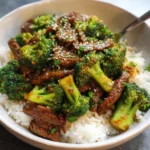
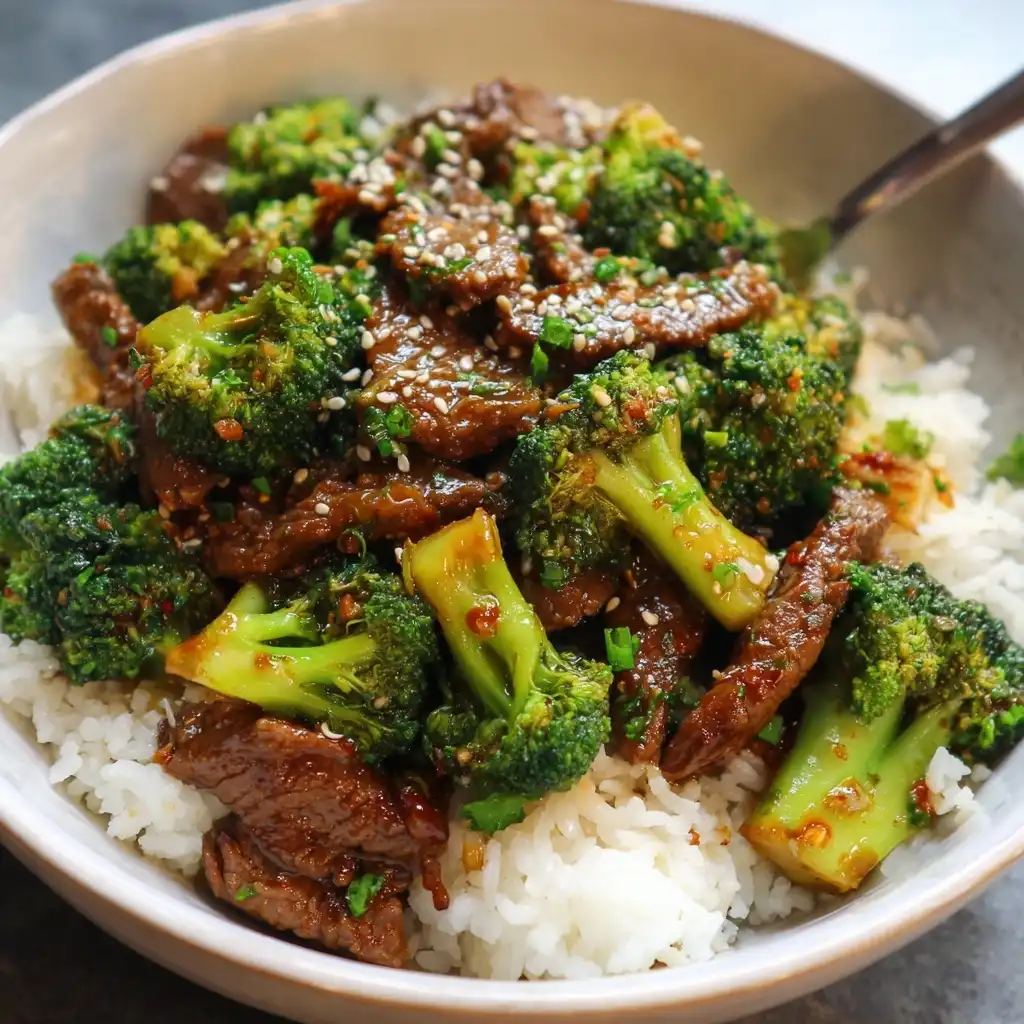
Beef and Broccoli Stir Fry is a beloved staple of American-Chinese cuisine—vibrant, savory, and deeply satisfying. Though not traditionally found in regional Chinese cooking in its exact form, this dish embodies the spirit of authentic stir-fry techniques: high-heat cooking, quick searing, and harmonious balance of texture, umami, and freshness. It’s a weeknight hero that delivers restaurant-quality flavor in under 30 minutes, featuring tender slices of beef enveloped in a glossy, aromatic sauce and paired with crisp-tender broccoli florets. Whether you’re meal prepping for the week, feeding a busy family, or impressing guests with minimal effort, Beef and Broccoli Stir Fry stands out for its versatility, nutritional depth, and comforting yet sophisticated taste profile.
The History
The origins of Beef and Broccoli Stir Fry trace back to the late 19th and early 20th centuries, emerging from the culinary adaptations made by Chinese immigrants in North America. As they established restaurants catering to local palates, chefs began modifying traditional Cantonese and Hunan-style stir-fry methods—reducing spice levels, incorporating locally abundant ingredients like broccoli (which wasn’t widely used in China until much later), and developing rich, slightly sweet-savory sauces using accessible pantry staples such as oyster sauce, soy sauce, and cornstarch. While broccoli was introduced to the U.S. in the 1920s and didn’t gain widespread popularity until the 1970s, its inclusion in this dish coincided with growing health consciousness and the rise of “lighter” Chinese-American fare. Over time, Beef and Broccoli evolved from a humble diner special into a cultural icon—featured in frozen meals, takeout menus nationwide, and even gourmet reinterpretations by Michelin-starred chefs exploring diasporic food narratives. Its enduring appeal lies in how it bridges tradition and innovation, honoring wok hei (the “breath of the wok”) while embracing ingredient availability, dietary trends, and intercultural exchange.
Ingredients Breakdown
Every exceptional Beef and Broccoli Stir Fry begins with intentional, high-quality ingredients—each playing a distinct functional and flavorful role:
- Flank Steak or Skirt Steak (1 lb / 450g): Lean, flavorful, and economical cuts with pronounced grain—ideal for quick-cooking and maximum tenderness when sliced thinly against the grain. Flank steak offers rich beefiness; skirt steak provides more marbling and chew. Avoid tougher cuts like round or chuck unless marinated extensively.
- Fresh Broccoli (1 large head, ~1 lb / 450g): Choose deep green, tightly packed florets with firm, non-hollow stems. The stems are edible and nutrient-dense—peel and julienne them to reduce waste and add textural contrast. For optimal stir-fry texture, blanching (or “shocking”) the broccoli first ensures vibrant color and ideal tenderness without sogginess.
- Neutral High-Smoke-Point Oil (3–4 tbsp): Peanut, canola, grapeseed, or refined avocado oil—essential for achieving proper sear temperature (ideally 400°F/200°C+) without burning. Never use extra virgin olive oil or unrefined sesame oil for high-heat frying.
- Low-Sodium Soy Sauce (¼ cup / 60ml): Provides foundational saltiness and umami depth. Low-sodium versions give precise control over final salt content—critical when balancing other salty condiments like oyster sauce.
- Oyster Sauce (3 tbsp / 45ml): A fermented condiment made from oyster extracts, sugar, salt, and thickeners. It lends an irreplaceable savory-sweet richness and velvety mouthfeel. Opt for reputable brands (Lee Kum Kee, Kikkoman) without artificial coloring or excessive MSG if preferred.
- Shaoxing Wine (2 tbsp / 30ml): A golden rice wine essential for deodorizing beef and enhancing aroma. Substitute dry sherry *only* if unavailable—but avoid cooking wines with added salt. Never skip; it transforms the depth of flavor.
- Minced Fresh Ginger (1 tbsp / ~15g, peeled & finely grated): Adds bright, spicy warmth and enzymatic tenderness to the marinade. Grating releases volatile oils far more effectively than chopping.
- Garlic (4 cloves, minced): Adds pungent, aromatic backbone. Add during cooking—not in marinade—to prevent bitterness from high-heat degradation.
- Arrowroot or Cornstarch (2 tsp): Critical for velveting the beef (locking in moisture) and thickening the sauce to glossy perfection. Arrowroot yields a clearer, more neutral finish; cornstarch is more widely available and equally effective.
- Sugar (1½ tsp): Balances salt and umami. Light brown sugar adds subtle molasses notes; coconut sugar offers caramel depth; white sugar maintains purity of flavor.
- Sesame Oil (1 tsp, toasted): Added *off-heat* as a finishing oil—it carries intense nutty fragrance but burns easily. This step elevates aroma exponentially.
- Red Pepper Flakes or Sliced Fresno Chiles (optional, to taste): For gentle heat that complements—not overwhelms—the umami core.
- Green Onions (for garnish): Thinly sliced scallions add fresh, allium brightness and visual appeal.
Pro Tip: All ingredients should be prepped and measured *before* heating the wok—a technique known as mise en place. Stir-frying moves fast; hesitation leads to steaming instead of searing.
Step-by-Step Recipe
- Prep the Beef: Freeze flank steak for 20–30 minutes to firm it up, then slice *very thinly* (⅛-inch or less) *against the grain*. Place in a bowl and combine with 1 tbsp soy sauce, 1 tbsp Shaoxing wine, 1 tsp grated ginger, 1 tsp cornstarch, and 1 tsp neutral oil. Mix gently, cover, and marinate 15–30 minutes at room temperature (or up to 2 hours refrigerated).
- Blanch the Broccoli: Bring a large pot of salted water to rolling boil. Add broccoli florets and peeled, julienned stems. Blanch 90 seconds—just until bright green and slightly tender but still crisp. Immediately drain and plunge into ice water to stop cooking. Drain thoroughly and pat *completely dry* with clean kitchen towels—excess moisture causes steaming, not stir-frying.
- Prepare the Sauce: In a small bowl, whisk together remaining soy sauce (3 tbsp), oyster sauce (3 tbsp), Shaoxing wine (1 tbsp), sugar (1½ tsp), 1 tsp cornstarch, and ¼ cup (60ml) low-sodium beef or vegetable broth (or water). Set aside.
- Heat the Wok: Place a 14-inch carbon steel or seasoned cast-iron wok over high heat for 2–3 minutes until smoking lightly. Swirl in 2 tbsp neutral oil and heat until shimmering (~375°F).
- Stir-Fry the Beef: Add marinated beef in a single layer—do not overcrowd. Let sear undisturbed for 45–60 seconds, then stir-fry rapidly for 1.5–2 minutes until just cooked through but still juicy (slight pink is fine). Remove immediately to a clean plate—do not let it sit in juices.
- Stir-Fry the Aromatics: Wipe wok clean with paper towel. Reheat with 1 tbsp oil. Add minced garlic and remaining ½ tbsp ginger; stir-fry 15 seconds until fragrant—but do not brown.
- Add Broccoli: Toss in blanched, dried broccoli. Stir-fry 1–2 minutes until heated through and edges begin to blister slightly.
- Combine & Finish: Return beef to wok. Give sauce mixture a final whisk and pour evenly over ingredients. Stir constantly as sauce bubbles and thickens—about 60–90 seconds. It should cling luxuriously to every piece. Remove from heat.
- Finish & Serve: Drizzle with toasted sesame oil, toss once more, and garnish generously with sliced green onions. Serve immediately over hot steamed jasmine rice, brown rice, or cauliflower rice.
Tips
- Velveting is Non-Negotiable: Marinating beef with cornstarch, liquid, and oil creates a protective barrier that prevents moisture loss during high-heat cooking—resulting in silky, tender bites every time.
- Dry Your Broccoli Thoroughly: Even a few droplets of water will drop the wok’s temperature, causing ingredients to steam rather than sear and yielding limp, dull-looking greens.
- Wok Hei Is Achievable at Home: Use the highest possible burner setting, ensure your wok is properly preheated, and keep ingredients moving constantly—not stirring, but tossing with a spatula or wok shovel in a fluid, upward motion.
- Don’t Double the Batch: Stir-frying relies on rapid evaporation and intense heat. Overloading the wok drops temperature drastically, leading to stewed, greasy results. Cook in batches if serving more than 4 people.
- Broth > Water for Sauce: Low-sodium beef or mushroom broth adds layered savoriness and body that water simply cannot replicate. Keep a batch of homemade bone broth frozen for instant upgrades.
- Acid Brightens Everything: A tiny splash (½ tsp) of rice vinegar or lime juice stirred in *at the very end* lifts the entire dish—cutting richness and amplifying aroma without tasting sour.
- Rest the Beef Before Slicing: After cooking, let beef rest 3–5 minutes before slicing across the grain—even if reheating later. This retains juices and improves texture significantly.
- Season in Layers: Salt the marinade, salt the blanching water, and adjust final seasoning with a pinch of flaky sea salt right before serving—this builds dimensional saltiness rather than one-note sharpness.
Variations and Customizations
This recipe is a master template—infinitely adaptable to dietary needs, seasonal produce, global flavors, and pantry constraints:
- Gluten-Free Version: Substitute tamari or certified GF soy sauce and GF oyster sauce (or vegetarian “oyster” sauce made from mushrooms). Ensure cornstarch is GF-certified (most are, but verify).
- Vegetarian/Vegan Adaptation: Replace beef with extra-firm tofu (pressed, cubed, and pan-seared), seitan strips, or king oyster mushrooms (sliced lengthwise and “pulled” for meaty texture). Use hoisin + mushroom soy sauce blend instead of oyster sauce.
- Paleo/Whole30 Compliant: Omit soy and oyster sauces. Build umami with coconut aminos, date paste (for sweetness), fish sauce (if allowed), toasted almond butter (for richness), and dried porcini powder. Thicken with arrowroot only.
- Spicy Szechuan Style: Add 1 tbsp doubanjiang (fermented broad bean paste), ½ tsp Sichuan peppercorns (toasted & ground), and extra chili oil. Garnish with crushed roasted peanuts.
- Thai-Inspired Twist: Swap oyster sauce for Thai black soy sauce, add 1 tbsp tamarind paste and 1 tsp palm sugar. Finish with chopped cilantro, lime zest, and crushed roasted cashews.
- Keto/Low-Carb Friendly: Double the broccoli, add sliced bell peppers and zucchini noodles. Replace sugar with erythritol or monk fruit; thicken with xanthan gum (¼ tsp) instead of cornstarch.
- Umami Bomb Upgrade: Add 1 tsp dried shiitake powder, ½ tsp nutritional yeast, and a splash of aged balsamic glaze to the sauce for profound depth.
- Quick Sheet-Pan Roast Option: Toss beef strips and broccoli with marinade and roast at 425°F (220°C) for 18–20 minutes, flipping halfway. Whisk sauce separately and drizzle post-roast.
- Meal Prep Pro-Tip: Cook components separately—marinate & freeze raw beef in portions; blanch & freeze broccoli in vacuum-sealed bags. Reheat components individually, then combine with fresh sauce for zero mush.
Health Considerations and Nutritional Value
A single 1.5-cup serving (with ½ cup cooked brown rice) delivers approximately:
- Calories: ~420–480 kcal
- Protein: 32–38g (complete, high-bioavailability animal protein supporting muscle synthesis and satiety)
- Fiber: 6–8g (primarily from broccoli and whole grains—supports gut microbiota, cholesterol regulation, and stable blood sugar)
- Vitamin C: >120% DV (broccoli is richer in vitamin C than oranges—crucial for collagen formation and immune function)
- Vitamin K: >180% DV (essential for blood clotting and bone mineralization)
- Folate, Potassium, Sulforaphane: Broccoli contains glucosinolates that convert to sulforaphane—a potent phytochemical with demonstrated anti-inflammatory, detoxification-supportive, and potential anticancer properties in clinical studies.
Dietary Notes:
- Sodium Awareness: While soy and oyster sauces contribute sodium, using low-sodium versions and balancing with potassium-rich broccoli helps maintain healthy sodium-to-potassium ratios—key for cardiovascular and renal health.
- Iron Absorption: Pair with vitamin C-rich foods (broccoli itself!) to enhance non-heme iron absorption—especially beneficial for menstruating individuals or those with mild iron deficiency.
- Healthy Fats: Neutral oils provide monounsaturated and polyunsaturated fats; sesame oil contributes lignans linked to hormonal balance and antioxidant activity.
- Low Glycemic Impact: When served over fiber-rich brown rice or quinoa, the dish has a low glycemic load—ideal for metabolic health and sustained energy.
- Considerations for Specific Conditions: Those managing hypertension may benefit from reducing added salt and increasing garlic/ginger (both clinically shown to support healthy blood pressure). Individuals with histamine intolerance should opt for freshly prepared, non-fermented sauces and avoid prolonged marination.
This dish exemplifies nutrient synergy—where the whole truly exceeds the sum of its parts. The bioavailability of nutrients increases when consumed together (e.g., fat-soluble vitamins A, E, and K in broccoli are better absorbed with the dish’s healthy oils), making it not just delicious—but powerfully functional nutrition.
Ingredients
- 1 pound (450g) flank steak or skirt steak, very thinly sliced against the grain
- 1 large head broccoli (about 1 pound / 450g), florets separated, stems peeled and julienned
- ¼ cup (60ml) low-sodium soy sauce, divided
- 3 tablespoons (45ml) oyster sauce
- 2 tablespoons (30ml) Shaoxing wine, divided
- 1 tablespoon (15g) fresh ginger, peeled and finely grated
- 4 cloves garlic, minced
- 2 teaspoons cornstarch or arrowroot powder, divided
- 1½ teaspoons light brown sugar or coconut sugar
- ¼ cup (60ml) low-sodium beef or vegetable broth (or water)
- 3–4 tablespoons neutral high-smoke-point oil (peanut, canola, or grapeseed), divided
- 1 teaspoon toasted sesame oil
- Optional: ¼ teaspoon red pepper flakes or 1 sliced Fresno chile
- For serving: Steamed jasmine or brown rice; sliced green onions
Directions
- Place sliced beef in a medium bowl. Add 1 tablespoon soy sauce, 1 tablespoon Shaoxing wine, 1 teaspoon grated ginger, 1 teaspoon cornstarch, and 1 teaspoon neutral oil. Gently mix to coat. Cover and marinate at room temperature for 15–30 minutes (or refrigerate up to 2 hours).
- Bring a large pot of generously salted water to a rolling boil. Add broccoli florets and julienned stems. Blanch for 90 seconds, then immediately drain and transfer to a bowl of ice water. Once cooled, drain thoroughly and pat completely dry with clean kitchen towels or paper towels.
- In a small mixing bowl, whisk together remaining soy sauce (3 tablespoons), oyster sauce, remaining Shaoxing wine (1 tablespoon), sugar, remaining cornstarch (1 teaspoon), and broth until smooth. Set aside.
- Heat a 14-inch wok or large heavy-bottomed skillet over high heat for 2–3 minutes until smoking lightly. Swirl in 2 tablespoons neutral oil and heat until shimmering.
- Add marinated beef in a single layer. Let sear undisturbed for 45–60 seconds, then stir-fry rapidly for 1.5–2 minutes until just cooked through but still tender and slightly pink inside. Transfer to a clean plate and set aside.
- Wipe wok clean with a paper towel. Return to high heat, add remaining 1 tablespoon oil, then add minced garlic and remaining ½ tablespoon ginger. Stir-fry for 15 seconds until highly aromatic but not browned.
- Add blanched, dried broccoli. Stir-fry for 1–2 minutes, tossing constantly, until heated through and lightly blistered at the edges.
- Return beef to wok. Give sauce mixture a vigorous final whisk, then pour evenly over ingredients. Stir constantly as mixture comes to a gentle bubble and thickens—about 60–90 seconds—until glossy and clinging.
- Remove from heat. Drizzle with toasted sesame oil and optional red pepper flakes. Toss once more. Garnish generously with sliced green onions.
- Serve immediately alongside steamed rice. Best enjoyed fresh—but leftovers store well refrigerated for up to 4 days (reheat gently in wok or skillet with a splash of broth to refresh sauce).
FAQ
- Can I use frozen broccoli?
- Fresh is strongly recommended—frozen broccoli releases excess water, resulting in steamed, soggy texture and diluted flavor. If necessary, thaw completely, squeeze *aggressively* dry in a clean towel, and increase stir-fry time by 1 minute.
- Why does my beef turn out tough?
- Three common causes: (1) Not slicing *against the grain*, (2) skipping the cornstarch-based marinade (“velveting”), or (3) overcooking past medium-rare. Also ensure beef is at cool room temp—not fridge-cold—before stir-frying.
- Can I make this ahead of time?
- Absolutely—but for best texture, prep components separately: marinate and freeze raw beef in portioned bags; blanch and freeze broccoli in airtight containers; pre-mix sauce and refrigerate up to 5 days. Assemble and cook within 5 minutes when ready.
- What’s the best rice to serve with it?
- Jasmine rice offers floral aroma and delicate stickiness that cradles sauce beautifully. For higher fiber and lower glycemic impact, choose short-grain brown rice, black rice, or Forbidden rice. Cauliflower rice works well for low-carb diets—add it raw to the wok in the last 60 seconds to warm through.
- Is there a substitute for oyster sauce?
- Yes—vegetarian oyster sauce (made from mushrooms), hoisin sauce (reduce sugar in recipe), or a blend of 1 tbsp soy sauce + 1 tsp molasses + ½ tsp rice vinegar + ¼ tsp mushroom powder. Note: flavor profile shifts, but umami remains.
- Can I air-fry the beef and broccoli?
- You can pre-cook components: air-fry broccoli at 400°F (200°C) for 10–12 minutes, shaking halfway, until crisp-tender. Air-fry marinated beef strips at 400°F for 4–5 minutes, flipping once. Then combine in a skillet with sauce to finish—this preserves texture better than full air-fry attempts.
- How do I prevent the sauce from becoming too salty?
- Always use low-sodium soy and broth. Taste sauce mixture *before* adding to wok—and adjust with a splash of broth or a pinch of sugar if needed. Remember: reduction during stir-frying intensifies saltiness.
- Can I add other vegetables?
- Yes! Bell peppers (sliced thin), snap peas, carrots (julienned), baby corn, or water chestnuts all complement beautifully. Add harder veggies (carrots) with broccoli; softer ones (peppers, snow peas) in the last 60 seconds.
- Why does my stir-fry look oily or greasy?
- Too much oil, insufficient heat, or wet ingredients. Use precise oil measurements, ensure wok is smoking-hot before adding oil, and *always* pat ingredients bone-dry—especially broccoli and beef after marinating.
- Can I double the recipe?
- Not in one batch. Doubling overwhelms the wok, drops temperature, and causes steaming. Instead, cook in two separate batches—clean and reheat wok between rounds—and combine at the end with fresh sauce.
Summary
Beef and Broccoli Stir Fry is a masterclass in balance—tender, velvety beef meets vibrant, nutrient-dense broccoli in a glossy, umami-rich sauce, all achieved through precise technique, thoughtful ingredient selection, and respect for the stir-fry tradition.
Whether you’re seeking a nourishing weeknight dinner, a canvas for culinary creativity, or a dish that bridges heritage and modern wellness, this recipe delivers extraordinary flavor, adaptability, and soul-satisfying comfort—all in under 30 minutes.