Introduction
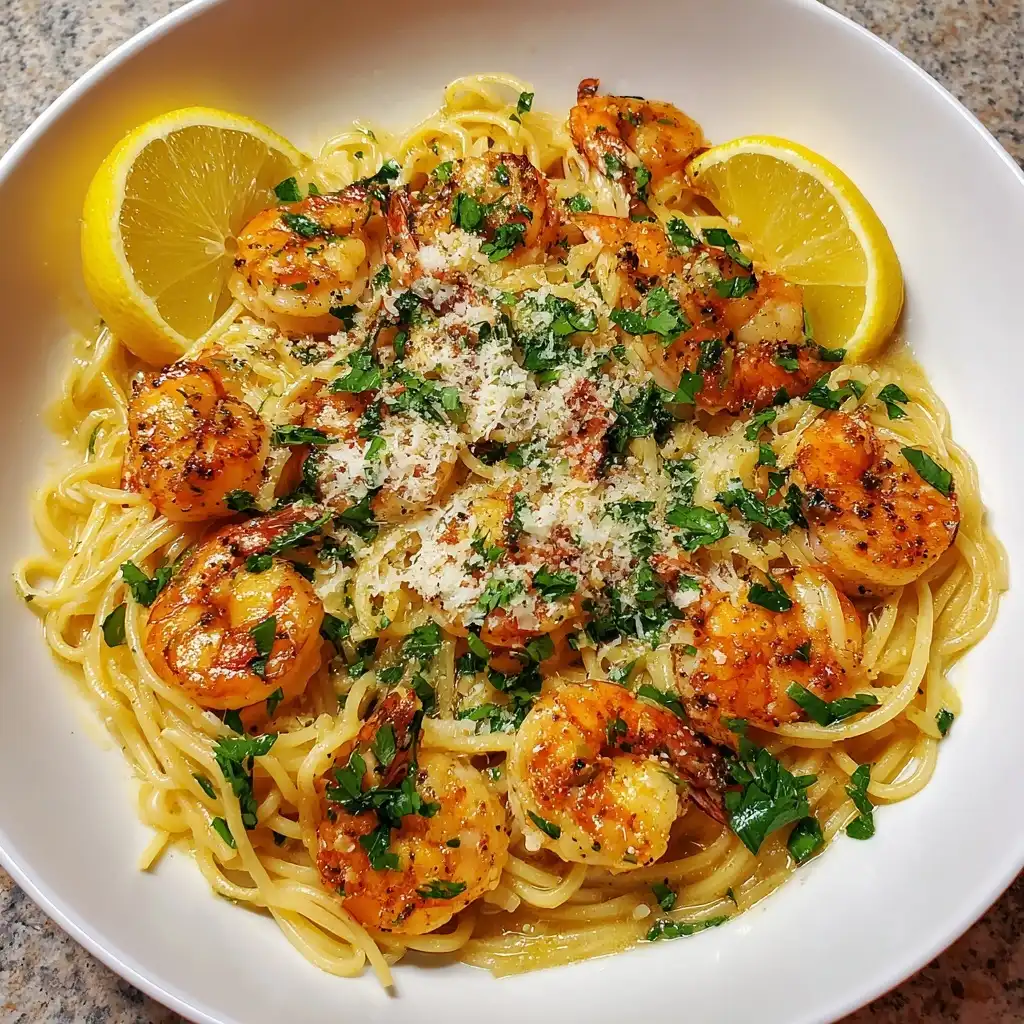
Lemon Butter Garlic Shrimp Pasta is a quintessential weeknight gourmet dish—elegant yet effortless, vibrant yet comforting. With its bright citrus notes, rich umami depth from garlic-infused butter, tender-crisp shrimp, and perfectly al dente pasta, this recipe strikes an irresistible balance between simplicity and sophistication. It’s the kind of meal that transforms pantry staples into a restaurant-worthy experience in under 30 minutes, making it a beloved favorite among home cooks, busy professionals, meal preppers, and even novice chefs looking to build confidence in the kitchen. Whether served as a cozy solo dinner, a lively family supper, or an impressive dish for date night or small gatherings, Lemon Butter Garlic Shrimp Pasta delivers bold flavor, aromatic warmth, and textural harmony—all without requiring advanced techniques or hard-to-find ingredients.
The History
While no single documented origin story exists for Lemon Butter Garlic Shrimp Pasta—as it’s a modern fusion rather than a traditional regional dish—its roots trace back to several culinary traditions converging over time. The use of butter and garlic as a foundational sauce base has deep ties to French cuisine, particularly beurre blanc and beurre noir, where emulsified butter forms the soul of elegant seafood preparations. Meanwhile, lemon’s role as a brightening agent echoes Mediterranean and coastal Italian practices (think spaghetti al limone or Sicilian shrimp dishes), where acidity cuts through richness and enhances natural sweetness. In the United States, the dish gained widespread popularity during the late 20th and early 21st centuries, propelled by food blogs, cooking shows, and viral social media recipes that celebrated “5-ingredient dinners” and “30-minute meals.” Its ascent coincided with rising consumer interest in fresh, whole-food ingredients, clean-label cooking, and globally inspired yet approachable flavors. Over decades, home cooks have iteratively refined the formula—adjusting garlic-to-lemon ratios, experimenting with pasta shapes, incorporating herbs like parsley and basil, and adapting heat levels—transforming it from a rustic tavern plate into a globally recognized comfort classic.
Ingredients Breakdown
Every exceptional Lemon Butter Garlic Shrimp Pasta begins with intentional, high-quality ingredients—each playing a distinct sensory and functional role:
- Pasta: Typically spaghetti, linguine, or angel hair for optimal sauce adhesion—but fusilli, penne, or even gluten-free brown rice or chickpea pasta work beautifully. The starch released during boiling is essential for helping the buttery sauce cling and emulsify.
- Shrimp: Large (26/30 or 31/40 count) wild-caught or sustainably farmed shrimp, peeled and deveined, with tails optionally left on for presentation. Fresh is ideal; frozen (thawed properly) is equally excellent—and often more affordable and consistent in quality. Avoid pre-cooked shrimp, which becomes rubbery when reheated.
- Butter: Unsalted European-style butter (82–85% fat) is preferred for its richer mouthfeel, deeper nuttiness when browned, and superior emulsifying power. Salted butter can be used, but requires careful sodium adjustment elsewhere.
- Garlic: Fresh, minced or finely grated (a microplane yields maximum surface area and flavor release). Avoid jarred garlic paste—it lacks brightness and can turn bitter when sautéed.
- Lemon: Both zest and juice are non-negotiable. Zest contributes volatile citrus oils for aromatic lift; juice adds sharp, clean acidity to balance fat and sweetness. Always use organic lemons for zest to avoid pesticide residue.
- Olive Oil: A high-quality extra-virgin variety adds fruitiness and helps prevent butter from burning during initial sautéing—creating a hybrid fat base with complexity and stability.
- White Wine (optional but highly recommended): Dry, crisp varieties like Sauvignon Blanc or Pinot Grigio contribute subtle acidity, depth, and a touch of sweetness that enhances shrimp’s natural brininess. Non-alcoholic substitution: 2 tbsp lemon juice + 2 tbsp low-sodium vegetable broth.
- Fresh Herbs: Flat-leaf parsley is traditional for its grassy, peppery freshness—but cilantro, basil, dill, or chives offer exciting variations. Always add at the end to preserve volatile oils and color.
- Red Pepper Flakes: For gentle heat and complexity—not just spice. Toasted briefly in oil before adding garlic, they bloom their capsaicin and fruity esters.
- Salt & Black Pepper: Kosher salt ensures even seasoning; freshly cracked black pepper adds floral, resinous warmth. Season in layers—at every stage: pasta water, shrimp, sauce—to build dimension.
Optional enhancements include grated Parmesan or Pecorino Romano (added off-heat to prevent graininess), sun-dried tomatoes for umami tang, baby spinach for earthy contrast, or capers for briny pop.
Step-by-Step Recipe
- Prep All Ingredients (Mise en Place): Bring a large pot of water to a rolling boil. Meanwhile, peel and devein shrimp, pat *very* dry with paper towels (critical for proper searing). Mince 4–5 garlic cloves. Zest and juice 2 medium lemons (you’ll need ~2 tbsp zest and ~¼ cup juice). Chop ½ cup fresh flat-leaf parsley. Measure ½ cup unsalted butter, 2 tbsp EVOO, ¼ tsp red pepper flakes, and optional ¼ cup dry white wine.
- Cook Pasta Al Dente: Add 2 tbsp kosher salt to boiling water. Add 12 oz pasta and cook 1–2 minutes *less* than package directions (e.g., if linguine says 10 min, cook 8). Reserve 1 cup starchy pasta water *before* draining—this liquid is liquid gold for sauce emulsification. Drain pasta—but do *not* rinse (rinsing removes starch needed for binding).
- Season & Sear Shrimp: While pasta cooks, season shrimp generously with ½ tsp kosher salt and ¼ tsp black pepper. Heat a large stainless steel or cast-iron skillet over medium-high heat. Add 1 tbsp olive oil. When shimmering, add shrimp in a single layer (work in batches if needed). Cook 1.5–2 minutes per side until opaque, pink, and lightly golden at edges. Remove immediately to a clean plate—do not overcook, as shrimp will return to pan later.
- Build the Sauce Base: Reduce heat to medium-low. In same skillet, add remaining 1 tbsp olive oil and red pepper flakes. Sauté 30 seconds until fragrant. Add minced garlic and stir constantly for 45–60 seconds—just until fragrant and pale gold (do *not* let brown or burn). Immediately deglaze with white wine (if using), scraping up browned bits with a wooden spoon. Simmer 1 minute to reduce alcohol and concentrate flavor.
- Emulsify the Lemon Butter: Lower heat to low. Whisk in cold butter, one tablespoon at a time, allowing each to fully melt and incorporate before adding the next. This gradual process creates a stable, velvety emulsion. Once all butter is added, whisk in lemon zest and juice. Sauce should be glossy, slightly thickened, and coat the back of a spoon.
- Combine & Finish: Return shrimp (and any accumulated juices) to skillet. Gently fold in cooked pasta. Toss over low heat for 60–90 seconds, adding reserved pasta water 2 tbsp at a time until sauce clings luxuriously to noodles—never pooling or separating. Taste and adjust: more lemon for brightness, salt for balance, pepper for warmth. Off heat, stir in parsley and optional grated cheese.
- Serve Immediately: Plate while piping hot. Garnish with extra lemon zest, a drizzle of good EVOO, flaky sea salt (like Maldon), and additional parsley. Serve with lemon wedges on the side for those who love extra zing.
Tips
- Dry Your Shrimp Thoroughly: Water = steam = boiled shrimp. Patting dry ensures caramelization, not poaching.
- Don’t Crowd the Pan: Overcrowding drops temperature, causing shrimp to sweat instead of sear. Use two skillets or cook in batches.
- Control Garlic Heat: Garlic burns fast. Keep it moving and remove from heat *before* it turns golden brown—residual heat finishes it.
- Butter Temperature Matters: Use cold, cubed butter for emulsification. Warm or melted butter breaks the sauce.
- Reserve That Pasta Water: The starchy, salty liquid is essential for binding, adjusting consistency, and enhancing flavor integration. Never skip this step.
- Finish Pasta in the Sauce: This critical “mantecatura” technique allows starches to interact with fats and acids, creating silkiness you can’t achieve by tossing after plating.
- Add Acid Last: Lemon juice added too early loses brightness due to heat volatility. Stir in *after* butter is emulsified and just before combining with pasta.
- Use Freshly Cracked Pepper: Pre-ground pepper loses aromatic compounds rapidly. A pepper mill makes a measurable difference in depth.
- Rest Shrimp Off Heat: Carryover cooking continues for 1–2 minutes. Removing shrimp early prevents rubberiness.
- Taste As You Go: Adjust salt, acid, and heat incrementally—especially after adding pasta water, which dilutes seasoning.
- Skillet Choice: Stainless steel or cast iron gives best sear and fond development. Nonstick works—but won’t yield the same depth of caramelized bits for deglazing.
- Wine Selection Tip: Choose a wine you’d drink—avoid “cooking wine” (loaded with salt and preservatives). If omitting alcohol, boost depth with 1 tsp nutritional yeast or ½ tsp miso paste.
Variations and Customizations
This recipe is gloriously adaptable—here’s how to make it your own across dietary needs, seasonal shifts, and global inspirations:
Dietary Adaptations
- Gluten-Free: Use certified GF pasta (brown rice, quinoa, or lentil-based). Ensure all sauces and broths are GF-certified. Boost texture with toasted GF breadcrumbs or almond flour.
- Dairy-Free/Vegan: Replace butter with high-heat avocado oil or vegan butter (Miyoko’s or Forager). Use coconut aminos instead of fish sauce (if added), and swap shrimp for marinated, pan-seared king oyster mushrooms or hearts of palm “scallops.” Finish with lemon-thyme cashew cream.
- Low-Carb/Keto: Substitute spiralized zucchini (“zoodles”), shirataki noodles, or spaghetti squash. Increase healthy fats with avocado slices, pine nuts, or toasted walnuts.
- Pescatarian & Shellfish-Free: Swap shrimp for firm white fish (cod, halibut, or mahi-mahi) cut into 1-inch cubes, or scallops. Adjust cook time accordingly (fish: 2–3 min per side; scallops: 1.5 min per side).
Flavor & Texture Twists
- Mediterranean: Add kalamata olives, crumbled feta, roasted red peppers, and oregano. Replace parsley with mint.
- Asian-Inspired: Use tamari instead of salt, add grated ginger with garlic, finish with sesame oil and scallions. Top with nori strips and pickled daikon.
- Herbes de Provence: Infuse oil with dried lavender, thyme, rosemary, and marjoram before sautéing garlic.
- Spicy Arrabbiata Style: Double red pepper flakes, add 1 tsp Calabrian chile paste, and stir in 2 tbsp tomato paste with garlic.
- Creamy Lemon-Garlic: Whisk in 2–3 tbsp mascarpone or crème fraîche at the end for luxurious body (add off-heat to prevent curdling).
- Spring Garden: Fold in blanched asparagus tips, peas, and fava beans. Garnish with edible flowers.
- Umami Bomb: Add 1 tsp fish sauce with lemon juice, 1 tbsp chopped sun-dried tomatoes, and 1 tsp toasted sesame seeds.
Protein Swaps & Upgrades
- Grilled Shrimp: Marinate shrimp in olive oil, lemon zest, garlic, and herbs; grill over high heat for smoky nuance.
- Shrimp & Scallop Medley: Use half shrimp, half diver scallops for textural contrast and sweet-savory balance.
- Chicken Version: Sauté thin chicken cutlets or tenders with same aromatics—add ¼ cup chicken stock to deglaze.
- Plant-Powered “Shrimp”: Try hearts of palm or konjac-based vegan shrimp (like New Wave or Sophie’s Kitchen) for realistic texture and mild brininess.
Health Considerations and Nutritional Value
Lemon Butter Garlic Shrimp Pasta can be both nourishing and balanced—with mindful preparation. Here’s a detailed nutritional profile per standard serving (12 oz cooked pasta + 6 oz shrimp + full sauce), along with science-backed health insights:
Nutritional Snapshot (Approximate)
- Calories: 580–650 kcal
- Protein: 38–42g (shrimp provides complete protein, rich in selenium, vitamin B12, and iodine)
- Carbohydrates: 72–80g (mostly complex carbs from pasta; fiber increases with whole-grain or legume-based options)
- Fat: 22–28g (primarily unsaturated from olive oil and butter; includes heart-healthy monounsaturates and short-chain fatty acids)
- Fiber: 3–6g (boost to 8–12g with whole-wheat or lentil pasta + added vegetables)
- Vitamins & Minerals: Excellent source of Vitamin B12, selenium, zinc, iron (non-heme enhanced by lemon’s vitamin C), folate, and potassium. Lemon zest contributes flavonoids (hesperidin, naringenin) linked to anti-inflammatory and vascular benefits.
Health Highlights & Considerations
- Heart-Healthy Fats: Olive oil’s oleic acid and polyphenols support endothelial function and LDL oxidation resistance. Butter’s butyrate may promote gut barrier integrity—especially when consumed as part of a diverse, fiber-rich diet.
- Antioxidant Synergy: Garlic contains allicin (activated when crushed and rested), shown in studies to support healthy blood pressure and circulation. Lemon’s vitamin C boosts allicin bioavailability and regenerates vitamin E.
- Low-Mercury Seafood Choice: Shrimp is consistently ranked among the lowest-mercury seafoods by the FDA and EPA—safe for frequent consumption, including during pregnancy (2–3 servings/week recommended).
- Low Glycemic Impact: When paired with healthy fats and protein, pasta’s glycemic load drops significantly—ideal for metabolic health and sustained energy.
- Consider Sodium: Traditional prep can reach 600–800mg sodium/serving. Reduce by omitting added salt in pasta water, using low-sodium broth (if substituting wine), and skipping pre-salted butter.
- Butter vs. Oil Balance: While butter adds unparalleled flavor, swapping half the butter for olive oil reduces saturated fat without sacrificing richness—ideal for those managing cholesterol.
- Digestive Support: Garlic and lemon stimulate bile production and gastric motility. Adding parsley (rich in chlorophyll and apigenin) aids detoxification pathways and soothes digestion.
- Allergen Notes: Naturally gluten-free if using GF pasta—but always verify labels. Contains shellfish (shrimp); dairy (butter); and potential tree nuts (if garnishing with pine nuts or almonds).
Smart Swaps for Specific Goals
- Weight Management: Increase volume with non-starchy veggies (spinach, cherry tomatoes, zucchini ribbons) to lower calories per bite while boosting satiety fiber.
- Blood Sugar Balance: Opt for legume-based pasta (chickpea, lentil) — higher in protein/fiber, with slower glucose release. Add cinnamon (¼ tsp) to enhance insulin sensitivity.
- Gut Health Focus: Stir in 1 tbsp fermented foods at the end—kimchi, sauerkraut juice, or live-culture plain yogurt—for probiotic diversity.
- Anti-Inflammatory Emphasis: Add turmeric (¼ tsp, bloomed in oil with garlic) and black pepper (to activate curcumin), plus 1 tbsp ground flaxseed for omega-3 ALA.
Ingredients
- 12 oz linguine, spaghetti, or pasta of choice (whole wheat, gluten-free, or legume-based)
- 1 lb large shrimp (26/30 or 31/40 count), peeled and deveined, tails on or off
- ½ cup (1 stick) unsalted butter, cold and cubed
- 2 tbsp extra-virgin olive oil, divided
- 4–5 garlic cloves, finely minced or grated
- 2 medium lemons: zested (2 tbsp) and juiced (¼ cup)
- ¼ cup dry white wine (Sauvignon Blanc or Pinot Grigio) — optional but recommended
- ½ tsp red pepper flakes (adjust to taste)
- ½ cup fresh flat-leaf parsley, finely chopped
- 1 tsp kosher salt (plus more for pasta water)
- ½ tsp freshly cracked black pepper
- Flaky sea salt (Maldon or similar), for finishing
- Lemon wedges, for serving
- Optional: ¼ cup grated Parmesan or Pecorino Romano, 1 cup baby spinach, ¼ cup sun-dried tomatoes (oil-packed, chopped)
Directions
- Bring 5–6 quarts of water to a vigorous boil in a large Dutch oven or stockpot. Add 2 tablespoons kosher salt.
- Meanwhile, prepare shrimp: place in a colander and rinse under cold water. Pat *extremely* dry with clean paper towels—this is crucial for searing, not steaming.
- Season shrimp evenly with 1 teaspoon kosher salt and ½ teaspoon black pepper.
- Heat a large 12-inch stainless steel or cast-iron skillet over medium-high heat. Add 1 tablespoon olive oil. When oil shimmers (about 1 minute), add shrimp in a single layer. Cook undisturbed for 1 minute 30 seconds, then flip and cook 1 minute 30 seconds more—or until opaque, pink, and lightly caramelized at the edges. Transfer immediately to a clean plate. Do not cover—let rest uncovered.
- Reduce heat to medium-low. Add remaining 1 tablespoon olive oil and red pepper flakes to same skillet. Sauté 30 seconds until aromatic and slightly sizzling.
- Add minced garlic and stir constantly for 45–60 seconds—until fragrant and just beginning to turn pale gold. Do not let brown.
- Pour in white wine (if using). Scrape bottom vigorously with a wooden spoon to release all flavorful browned bits (fond). Simmer gently for 1 minute to reduce by half and evaporate alcohol.
- Lower heat to low. Begin whisking in cold butter, one tablespoon at a time, waiting until each is fully melted and incorporated before adding the next. Whisk continuously for a smooth, glossy emulsion (about 3–4 minutes total).
- Remove from heat. Whisk in lemon zest and lemon juice. Taste and adjust—more lemon for brightness, pinch of salt if needed.
- Return shrimp (and any juices pooled on the plate) to skillet. Gently stir to coat.
- Add drained pasta. Toss over low heat for 60–90 seconds, gradually adding reserved hot pasta water—2 tablespoons at a time—until sauce is silky, cohesive, and clings thickly to noodles (you may use ¼–½ cup total). Sauce should glisten—not pool or look greasy.
- Remove from heat. Fold in chopped parsley and optional cheese or greens. Taste once more and adjust seasoning.
- Plate immediately. Garnish with extra lemon zest, flaky sea salt, a drizzle of premium olive oil, and lemon wedges on the side.
FAQ
- Can I use frozen shrimp?
- Absolutely—just thaw properly: place sealed bag in cold water for 15–20 minutes, or refrigerate overnight. Pat *extremely* dry before cooking. Avoid microwaving or hot-water thawing, which causes mushiness.
- Why does my sauce break or look greasy?
- Most common causes: butter added too warm or too fast; sauce overheated after emulsifying; insufficient pasta water to stabilize; or garlic burned, releasing bitter compounds. Fix: Whisk in 1–2 tbsp cold pasta water off heat while vigorously stirring—it often rescues broken emulsions.
- Can I make this ahead of time?
- Best served fresh—but components can be prepped: cook pasta (rinse *only* if serving cold), sauté garlic/oil base (cool and refrigerate up to 2 days), and prep shrimp/herbs. Reheat sauce base gently, then combine all at the last minute. Avoid reheating fully assembled dish—it overcooks shrimp.
- What’s the best pasta shape for this dish?
- Long, slender pastas (linguine, spaghetti, capellini) hold the light, fluid sauce beautifully. Short shapes like fusilli or gemelli trap creamy pockets—ideal if adding vegetables or cheese. Avoid delicate pastas like angel hair unless serving immediately—they soften quickly.
- Is there a way to make it more filling or hearty?
- Yes! Add 1 cup sautéed mushrooms, ½ cup white beans (cannellini or Great Northern), 1 cup roasted cherry tomatoes, or 2 cups baby spinach stirred in at the end. For extra protein, top with grilled chicken strips or pan-seared scallops.
- Can I freeze leftovers?
- Not recommended—the shrimp becomes rubbery and the sauce separates upon thawing/reheating. However, you *can* freeze the sauce base (garlic-butter-lemon mixture, without pasta or shrimp) for up to 2 months. Thaw overnight, re-emulsify with a splash of warm broth, then toss with freshly cooked pasta and shrimp.
- What wine pairs best with this dish?
- Choose crisp, high-acid whites: Albariño, Vermentino, Grüner Veltliner, or unoaked Chardonnay. Their citrus and mineral notes mirror the lemon while cutting the butter’s richness. For red lovers, try a light, chilled Beaujolais or Gamay.
- How do I prevent garlic from burning?
- Use medium-low heat, keep garlic moving constantly, and add it *after* the oil and pepper flakes are hot—but before the pan gets smoking hot. Remove from heat the *instant* it becomes fragrant and pale gold. Remember: garlic continues cooking from residual pan heat.
- Can I double this recipe?
- Yes—but cook shrimp and sauce in separate batches. Doubling in one pan lowers temperature, steams shrimp, and prevents proper emulsification. Use two skillets or prepare sauce first, then shrimp, then combine.
- What if I don’t have white wine?
- No problem! Substitute with 2 tablespoons lemon juice + 2 tablespoons low-sodium vegetable or seafood broth. For depth, add ½ teaspoon nutritional yeast or a splash of dry vermouth (if available).
Summary
Lemon Butter Garlic Shrimp Pasta is a masterclass in minimalist elegance—where six core ingredients transform into a vibrant, deeply satisfying dish through precise technique, layered seasoning, and respect for ingredient integrity. It celebrates freshness, balances fat and acid with instinctive grace, and adapts effortlessly to dietary needs, seasonal produce, and global palates—proving that extraordinary flavor doesn’t require complexity, just care.
Whether you’re reviving weeknight routines, hosting with ease, or simply craving something soul-warming yet light, this recipe delivers restaurant brilliance at home—every single time—with pantry staples, 30 minutes, and the joyful confidence that comes from mastering a true kitchen essential.