Introduction
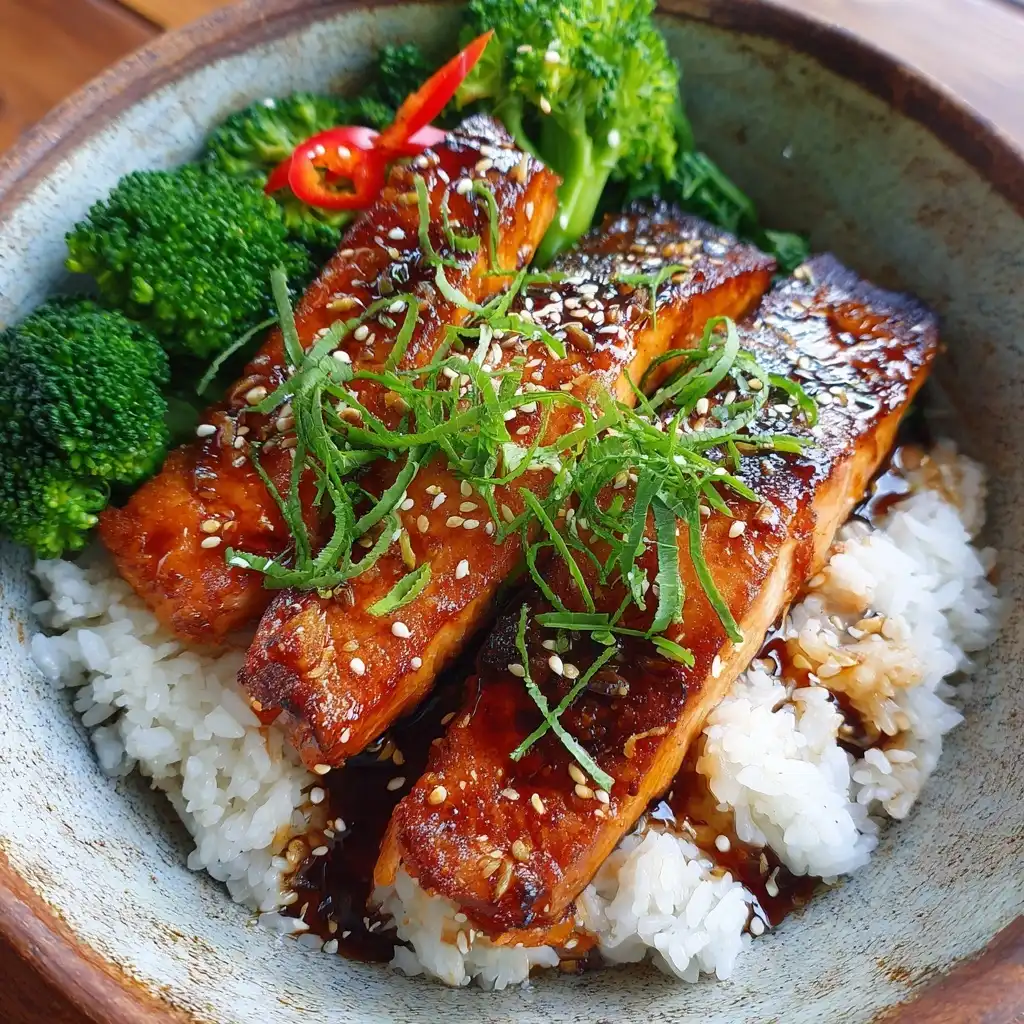
Teriyaki Salmon Rice Bowls are a vibrant, nutrient-dense, and deeply satisfying meal that effortlessly bridges Japanese culinary tradition with modern wellness-conscious eating. Combining the rich umami depth of house-made teriyaki glaze, the buttery tenderness of perfectly seared salmon, and the wholesome comfort of steamed jasmine or brown rice—topped with an artful medley of fresh, crunchy, and pickled vegetables—this dish delivers bold flavor, elegant simplicity, and restaurant-quality appeal in under 30 minutes. Whether you’re meal prepping for the week, seeking a protein-packed weeknight dinner, or impressing guests with minimal effort, Teriyaki Salmon Rice Bowls offer versatility, balance, and soul-warming satisfaction—all while supporting clean eating goals without sacrificing indulgence.
The History
The origins of teriyaki trace back to 17th-century Japan, where “teri” (meaning luster or shine) and “yaki” (meaning grilled or broiled) described a cooking technique developed to preserve and enhance fish and meat using a glossy, caramelized soy-based glaze. Early versions relied on naturally fermented soy sauce, mirin, and sake—ingredients prized for both flavor and antimicrobial properties—applied during grilling to create a lacquered, slightly sweet-savory crust. As Japanese immigrants brought teriyaki to Hawaii in the late 1800s, local adaptations emerged: pineapple juice was incorporated for brightness and tenderizing acidity, brown sugar replaced traditional malted rice syrup for accessibility, and the method expanded beyond grilling to include pan-searing and oven-baking. By the mid-20th century, teriyaki had become a beloved staple across North America—not just as a standalone entrée, but as the flavorful centerpiece of grain bowls, a format that gained momentum in the 2010s with the rise of bowl culture, farm-to-table dining, and demand for customizable, nutritionally balanced meals. Today’s Teriyaki Salmon Rice Bowl is thus a delicious fusion: honoring centuries-old Japanese techniques while embracing global pantry staples, contemporary dietary preferences (gluten-free, low-sugar, high-protein), and the visual and textural storytelling that defines modern food presentation.
Ingredients Breakdown
Every component of this bowl plays a purposeful role—flavor, texture, nutrition, and visual harmony—and understanding their individual contributions deepens both appreciation and execution:
- Salmon Fillets (Skin-On or Skin-Off): Wild-caught Alaskan or sustainably farmed Atlantic salmon provides heart-healthy omega-3 fatty acids (EPA and DHA), high-quality complete protein, vitamin D, selenium, and astaxanthin—a potent antioxidant responsible for its vibrant pink-orange hue. Skin-on fillets yield superior crispness and moisture retention during searing; skin-off offers leaner presentation and easier portion control.
- Homemade Teriyaki Sauce: Unlike many store-bought versions laden with corn syrup, artificial colors, and excessive sodium, our from-scratch glaze features low-sodium tamari (for gluten-free integrity), organic coconut aminos (a naturally lower-sodium, amino acid-rich soy sauce alternative), dry sherry or sake (adds complexity and balances sweetness), unpasteurized apple cider vinegar (brightens and cuts richness), and pure maple syrup or raw honey (for enzymatic depth and gentle caramelization). Ginger and garlic are freshly grated—not powdered—to maximize volatile aromatic compounds and anti-inflammatory benefits.
- Base Grain: Jasmine rice delivers delicate floral aroma and light stickiness ideal for sauce adherence; short-grain brown rice adds fiber, magnesium, and sustained energy release; black or forbidden rice contributes anthocyanin antioxidants and dramatic visual contrast; quinoa or cauliflower rice offer paleo/keto-friendly alternatives without compromising structural integrity.
- Vegetable Garnishes: Shaved cucumber (cooling, hydrating, high in silica), julienned carrots (beta-carotene, crunch), pickled daikon radish (probiotic fermentation, tangy brightness), blanched edamame (plant-based protein + folate), nori strips (iodine + umami), and microgreens or shiso leaves (vitamin K, chlorophyll, and aromatic nuance) collectively deliver phytonutrient diversity, color spectrum variety (supporting gut microbiome health), and multi-layered mouthfeel.
- Finishing Elements: Toasted sesame seeds (calcium, lignans, nutty aroma), furikake seasoning (seaweed, bonito, citrus zest for umami depth), yuzu kosho (fermented citrus-chili paste for aromatic heat), and a final drizzle of chili oil or yuzu ponzu elevate aroma, complexity, and sensory engagement—transforming the bowl from nourishing to transcendent.
Step-by-Step Recipe
- Prep & Marinate (15 minutes + 30–60 min rest): Pat salmon fillets *very* dry with paper towels—this is non-negotiable for achieving a golden sear. Score the flesh side lightly (2–3 shallow diagonal cuts) to encourage even cooking and glaze absorption. In a glass or ceramic dish, combine ¾ cup teriyaki sauce (reserve ¼ cup for finishing), 1 tsp toasted sesame oil, and 1 tsp grated fresh ginger. Gently place salmon skin-side up into marinade, spooning liquid over the top. Refrigerate uncovered for 30 minutes (or up to 2 hours—do not exceed, as acidic components can begin to “cook” the surface).
- Prepare Components Simultaneously (10 minutes): While salmon marinates, cook rice according to package directions (aim for slightly al dente to avoid mushiness when sauced). Steam or blanch edamame (2 minutes), then shock in ice water. Julienne carrots and cucumber; thinly slice green onions on bias; rehydrate dried wakame seaweed if using; toast sesame seeds in a dry skillet over medium-low heat until fragrant and golden (90 seconds—watch closely!). Prepare pickled vegetables (quick-pickle daikon/carrots in rice vinegar, sugar, salt, and a pinch of turmeric for 15 minutes).
- Sear the Salmon (6–8 minutes): Heat a heavy-bottomed stainless steel or well-seasoned cast-iron skillet over medium-high heat until shimmering. Add 1 tbsp neutral oil (grapeseed or avocado). Carefully place salmon skin-side *down* into hot oil—press gently with a spatula for 15 seconds to prevent curling. Cook undisturbed for 4–5 minutes until skin is ultra-crisp and releases easily. Flip carefully and cook flesh-side down for 1–2 minutes (depending on thickness) until internal temperature reaches 125°F (medium-rare) or 135°F (medium). Transfer to a wire rack to rest—this preserves crisp skin and allows juices to redistribute.
- Reduce & Glaze (3 minutes): Pour reserved ¼ cup teriyaki sauce into the hot skillet (carefully—it will sputter). Scrape up browned bits (fond) with a wooden spoon. Simmer over medium heat, stirring constantly, until thickened to a glossy, coat-the-back-of-a-spoon consistency (~2 minutes). Optional: Whisk in 1 tsp cold butter off-heat for luxurious sheen and richness.
- Assemble with Intention (5 minutes): Spoon 1–1½ cups warm rice into wide, shallow bowls. Fan 1–2 salmon fillets (skin-side up for visual impact) diagonally across the center. Artfully arrange vegetables in colorful quadrants: cucumbers and carrots at 12 o’clock, edamame and pickled daikon at 3 o’clock, nori and greens at 6 o’clock, green onions and sesame at 9 o’clock. Drizzle warm glaze generously over salmon, allowing it to cascade slightly onto rice. Finish with furikake, extra sesame seeds, and a whisper of yuzu kosho or chili oil.
Tips
- Salmon Selection Matters: Choose fillets with even thickness (¾–1 inch) and firm, moist flesh with a clean ocean scent—avoid any ammonia or sour notes. Look for visible marbling (fat striations), which ensures succulence. Frozen-at-sea (FAS) salmon often surpasses “fresh” counter fish in quality and safety due to immediate flash-freezing onboard.
- The Dry-Pat Imperative: Moisture is the enemy of searing. Use multiple layers of paper towels and press firmly—not just dabbing—to extract surface water. For professional results, pat dry, then refrigerate uncovered for 15 minutes before marinating.
- Control Your Heat: Too low = steaming instead of searing; too high = burnt glaze and rubbery fish. Medium-high is ideal for initial sear; reduce to medium for glaze reduction. An infrared thermometer helps monitor pan temp (ideal sear range: 375–400°F).
- Glaze Timing is Everything: Never apply teriyaki during early searing—it burns instantly. Apply only in the final 60–90 seconds of cooking (or post-sear, as in this recipe) for perfect caramelization without bitterness.
- Rice Texture Science: Rinse jasmine rice 3x until water runs clear to remove excess starch—prevents gumminess. Cook with a 1:1.25 rice-to-water ratio, then let steam, covered, off-heat for 15 minutes. Fluff with a rice paddle (not a fork) to preserve grains.
- Make-Ahead Mastery: Cook rice and chop vegetables up to 2 days ahead. Marinate salmon no more than 2 hours ahead. Reduce teriyaki sauce fully and store chilled for up to 1 week—reheat gently before glazing. Pre-portion bowls for effortless 10-minute assembly.
- Resting is Non-Negotiable: Let salmon rest 3–5 minutes after searing. This allows muscle fibers to relax and reabsorb juices—cutting too soon releases precious moisture and yields drier texture.
- Taste & Adjust Relentlessly: Teriyaki should balance sweet, salty, sour, and umami. Before glazing, dip a cooled rice grain into reduced sauce and assess: need more acid? Add rice vinegar. Too salty? A pinch of brown sugar. Flat? Freshly grated ginger or a splash of citrus zest.
Variations and Customizations
This bowl is a canvas—designed for creativity, dietary alignment, seasonal availability, and personal preference. Here are thoughtfully curated variations spanning global flavors, nutritional goals, and lifestyle needs:
- Low-Sugar/Keto Adaptation: Replace maple syrup with 2 tbsp monk fruit erythritol blend + 1 tsp molasses (for color); use coconut aminos exclusively; serve over cauliflower rice or shirataki noodles; top with avocado slices and hemp hearts instead of sweet pickles.
- Vegan “Salmon” Bowl: Substitute king oyster mushrooms (sliced lengthwise, marinated and pan-seared until meaty and golden) or seasoned baked tofu/tempeh; use tamari-based glaze with miso paste for depth; add roasted beets for “salmon-like” color and earthy sweetness; garnish with dulse flakes instead of nori.
- Hawaiian-Inspired: Add grilled pineapple chunks, macadamia nuts, and a sprinkle of li hing mui powder; swap rice for sushi rice mixed with toasted coconut; use a teriyaki base with passionfruit purée and ginger-infused local honey.
- Spicy Miso-Teriyaki: Whisk 1 tbsp white miso paste and 1 tsp gochujang into warm teriyaki glaze; top with kimchi slaw and crushed Sichuan peppercorns for mala heat.
- Herb-Forward Mediterranean: Infuse teriyaki with lemon zest and chopped dill; replace rice with farro or freekeh; add kalamata olives, cherry tomatoes, and crumbled feta; finish with preserved lemon and sumac.
- Kid-Friendly Version: Omit chili/garlic from glaze; use mild tamari; add shredded cheddar or mozzarella; include fun elements like salmon “nuggets” (baked, breaded fillets) and rainbow veggie sticks with creamy miso-dill dip.
- Meal Prep Powerhouse: Double the glaze and rice; portion salmon separately in airtight containers; keep veggies and garnishes in divided compartments; assemble cold or reheat components individually to preserve texture (salmon reheats best in toaster oven at 325°F for 5 minutes).
- Umami Bomb Upgrade: Add a spoonful of fermented black bean paste to glaze; top with dried shiitake chips and truffle salt; stir matcha powder into rice for antioxidant boost and subtle bitterness.
Health Considerations and Nutritional Value
A single serving (1 salmon fillet ~6 oz, 1 cup cooked jasmine rice, 1 cup mixed vegetables, 2 tbsp teriyaki glaze) delivers approximately 580–640 calories, with a robust macro- and micronutrient profile meticulously aligned with evidence-based dietary guidelines:
- High-Quality Protein (42g): Supports muscle synthesis, satiety, metabolic rate, and immune function. Salmon’s leucine content is particularly effective for age-related muscle preservation (sarcopenia prevention).
- Omega-3 Fatty Acids (2.8g EPA/DHA): Clinically shown to reduce systemic inflammation, lower triglycerides, improve endothelial function, support neuroplasticity, and modulate mood-regulating neurotransmitters. Wild salmon contains ~30% more omega-3s than farmed.
- Fiber & Phytonutrients (8–10g fiber, diverse polyphenols): Vegetables provide prebiotic fibers (inulin from julienned carrots, resistant starch from cooled rice) that feed beneficial gut bacteria linked to improved immunity, reduced anxiety, and enhanced mineral absorption. Anthocyanins (in purple cabbage or black rice), lutein (in spinach garnish), and sulforaphane (in broccoli sprouts) offer synergistic cellular protection.
- Low Glycemic Impact: When prepared with brown rice or riced cauliflower and mindful glaze portions, the meal maintains a moderate glycemic load (<45), supporting stable blood glucose and insulin sensitivity—key for metabolic health and weight management.
- Sodium Awareness: Homemade teriyaki contains ~420mg sodium per serving—well below FDA’s “low sodium” threshold (<140mg) but significantly less than commercial sauces (often 800–1200mg/serving). Using low-sodium tamari and increasing ginger/garlic allows further reduction without flavor sacrifice.
- Dietary Inclusivity: Naturally gluten-free (with certified tamari), pescatarian, dairy-free, and nut-free. Easily adapted for vegan, keto, low-FODMAP (substitute garlic-infused oil and omit onion/green onion), and histamine-conscious diets (use fresh, unfermented ingredients and minimize aged components).
- Culinary Medicine Benefits: The aromatic compounds in ginger (gingerol) and garlic (allicin) exhibit antiplatelet, anti-nausea, and immunomodulatory effects. Fermented pickles support microbiome diversity, while seaweed provides bioavailable iodine critical for thyroid hormone production.
Note: Nutritional values are estimates and vary based on specific brands, portion sizes, and preparation methods. For therapeutic applications (e.g., cardiovascular disease, autoimmune conditions), consult a registered dietitian or integrative physician.
Ingredients
- For the Teriyaki Glaze:
- ½ cup low-sodium tamari or coconut aminos
- ¼ cup dry sherry or Japanese sake
- 3 tbsp pure maple syrup or raw honey
- 1 tbsp unpasteurized apple cider vinegar
- 2 tsp freshly grated ginger (about 1-inch knob)
- 2 cloves garlic, finely minced or grated
- 1 tsp toasted sesame oil
- 1 tsp cornstarch mixed with 1 tbsp cold water (slurry, for thickening)
- Optional: 1 star anise pod (remove before serving), pinch of red pepper flakes
- For the Bowls:
- 4 (6–7 oz) skin-on or skin-off salmon fillets, pin bones removed
- 2 cups uncooked jasmine rice (or brown/black rice, quinoa, or cauliflower rice)
- 1 English cucumber, julienned
- 2 medium carrots, julienned or spiralized
- 1 cup shelled edamame, steamed
- ½ cup quick-pickled daikon radish (see Tips)
- 2 sheets nori, cut into thin strips
- ¼ cup toasted white and black sesame seeds
- 3 green onions, thinly sliced
- Handful of microgreens or shiso leaves
- Furikake seasoning, yuzu kosho, or chili oil for finishing
Directions
- In a small saucepan, combine tamari, sherry, maple syrup, apple cider vinegar, ginger, garlic, and sesame oil. Bring to a gentle simmer over medium heat. Reduce heat to low and simmer uncovered for 5 minutes to meld flavors.
- Stir in cornstarch slurry. Continue cooking, stirring constantly, for 2–3 minutes until sauce thickens to a glossy, medium-bodied consistency that coats the back of a spoon. Remove from heat, discard star anise if used, and let cool slightly. Reserve ¼ cup for glazing; refrigerate remainder for future use.
- Pat salmon fillets extremely dry with paper towels. Place in a shallow dish and pour ¾ cup of the cooled teriyaki mixture over them, turning to coat. Refrigerate uncovered for 30–60 minutes.
- Cook rice according to package instructions. Drain, rinse with warm water, and let steam, covered, off-heat for 15 minutes. Fluff with a rice paddle.
- Steam edamame for 2 minutes; plunge into ice water. Julienne cucumber and carrots. Prepare pickled daikon (combine ½ cup rice vinegar, 2 tbsp sugar, 1 tsp salt, ¼ tsp turmeric; pour over thinly sliced daikon; let sit 15+ minutes).
- Heat a large skillet over medium-high heat. Add 1 tbsp neutral oil. Once shimmering, place salmon skin-side down in pan. Press gently with spatula for 15 seconds, then cook undisturbed for 4–5 minutes until skin is deeply golden and crisp.
- Carefully flip salmon and cook flesh-side down for 1–2 minutes until center reaches desired doneness (125°F for medium-rare). Transfer to a wire rack; rest 3–5 minutes.
- Pour reserved ¼ cup teriyaki into same hot skillet. Scrape up browned bits and simmer 1–2 minutes until thickened and glossy. Optional: Whisk in ½ tsp cold butter.
- Divide warm rice among 4 wide, shallow bowls. Arrange salmon fillets skin-side up. Artfully place vegetables in sections around the bowl. Drizzle warm glaze over salmon. Garnish generously with sesame seeds, nori, green onions, microgreens, and furikake. Serve immediately.
FAQ
- Can I bake the salmon instead of pan-searing?
- Absolutely. Preheat oven to 400°F. Line a baking sheet with parchment. Place marinated salmon skin-side down, brush with 1 tbsp oil, and bake for 12–14 minutes (until 125–135°F). Broil 1–2 minutes at end for crispness. Glaze after baking.
- Is there a substitute for sherry or sake?
- Yes. Use dry white wine (like Sauvignon Blanc), rice vinegar + ½ tsp sugar, or even cold green tea for a nuanced, alcohol-free alternative. Avoid cooking wines with added salt.
- Why does my teriyaki glaze burn or become bitter?
- Burning occurs from excessive heat or applying glaze too early. Always reduce glaze *after* salmon is cooked—or apply only in the last minute of cooking. Use medium (not high) heat and stir constantly during reduction.
- Can I freeze leftover teriyaki sauce?
- Yes! Portion into ice cube trays, freeze solid, then transfer cubes to a freezer bag. Keeps for up to 6 months. Thaw overnight in fridge and gently reheat before use.
- How do I keep the salmon skin crispy after glazing?
- Glaze *only* the top (flesh side) and avoid pouring over the skin. Serve skin-side up so it remains exposed to air and retains crunch. Do not cover with foil or steam.
- What’s the best way to reheat leftovers without drying out the salmon?
- Avoid microwaving. Instead, place salmon on a parchment-lined sheet pan, tent loosely with foil, and warm in a 325°F oven for 5–7 minutes. Reheat rice separately with 1 tsp water, covered, in microwave for 60 seconds.
- Is wild salmon worth the extra cost?
- From a contaminant perspective: yes. Wild Alaskan salmon has significantly lower levels of PCBs, dioxins, and mercury than farmed Atlantic. Nutritionally, it contains higher omega-3s and astaxanthin. Look for MSC-certified or Alaska Seafood Marketing Institute (ASMI) labels for sustainability assurance.
- Can I make this Whole30 or Paleo compliant?
- Easily. Replace maple syrup with 2 tbsp date paste or coconut nectar; use coconut aminos exclusively; omit cornstarch (simmer longer to reduce naturally); serve over cauliflower rice or roasted sweet potato hash; skip furikake (contains sugar/sesame oil) and use toasted sesame seeds only.
- How can I tell when salmon is perfectly cooked?
- Use a digital instant-read thermometer: 120°F = rare, 125°F = medium-rare (ideal for buttery texture), 135°F = medium. Visually, the flesh should flake easily with gentle pressure and appear translucent-pink at the center—not opaque gray.
- What wine or beverage pairs beautifully with this bowl?
- A crisp, high-acid Riesling (off-dry) balances sweetness and cuts richness. For non-alcoholic: sparkling yuzu soda, cold barley tea (mugicha), or ginger-kombucha spritzer enhances digestion and complements umami.
Summary
Teriyaki Salmon Rice Bowls are a masterclass in harmonious, health-forward cooking—uniting time-honored Japanese technique with modern nutritional science, vibrant seasonal produce, and deeply satisfying textures and flavors. From the glossy, umami-rich glaze to the tender-crisp salmon and rainbow array of probiotic-boosting, phytonutrient-dense toppings, every element serves a purpose—nourishing the body, delighting the senses, and simplifying real-food living.
Whether enjoyed as a mindful lunch, a stress-free family dinner, or a stunning centerpiece for entertaining, this bowl proves that exceptional taste, uncompromised wellness, and culinary elegance are not just compatible—they’re inseparable.