Introduction
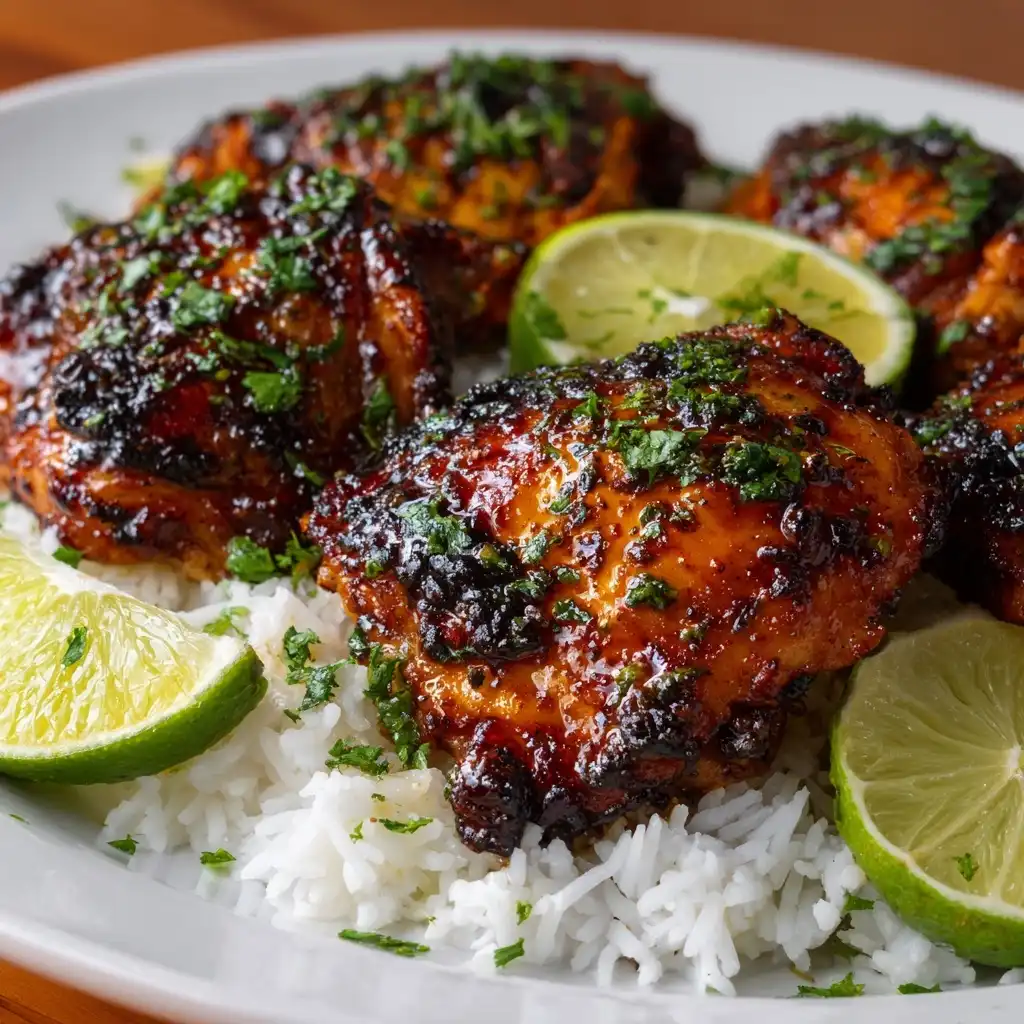
Spicy Honey Lime Chicken Thighs is a vibrant, bold, and deeply satisfying dish that masterfully balances heat, sweetness, tang, and umami in every bite. Far more than just another weeknight chicken recipe, this dish represents the perfect marriage of global flavor influences—drawing from Southeast Asian zest, Latin American brightness, and Southern-style comfort—with the humble, flavorful, and forgiving chicken thigh at its heart. Whether you’re firing up the grill on a summer evening, searing in a cast-iron skillet for a cozy fall dinner, or meal prepping for busy weekdays, this recipe delivers restaurant-quality depth with home-kitchen accessibility. Its glossy, sticky-sweet glaze clings luxuriously to tender, juicy meat, while aromatic lime zest, fresh cilantro, and a subtle kick of chili create an unforgettable sensory experience that lingers long after the last bite.
The History
While no single documented origin claims exclusive rights to Spicy Honey Lime Chicken Thighs, its roots are deeply interwoven with culinary evolution across multiple continents and decades. The use of honey as a glazing agent dates back millennia—to ancient Egyptian, Mesopotamian, and Mesoamerican civilizations—where it served both preservative and flavor-enhancing roles. Lime, native to Southeast Asia and later spread via Arab traders and Spanish colonization to the Americas, became a cornerstone of tropical and coastal cuisines for its bright acidity and antimicrobial properties. The modern fusion of honey and lime gained traction in mid-20th-century American barbecue culture, particularly in Hawaiian and Californian kitchens experimenting with Polynesian-inspired “teriyaki-adjacent” sauces. Meanwhile, the rise of bone-in, skin-on chicken thighs in the 2000s—fueled by chefs championing their superior moisture retention, rich collagen content, and affordability—provided the ideal canvas for bold, reduction-based glazes. The addition of chili heat reflects broader global trends toward layered spice profiles (think gochujang in Korean cooking, sambal in Indonesian cuisine, or chipotle in Mexican traditions), moving beyond one-dimensional “hot” to complex, aromatic heat. Today, Spicy Honey Lime Chicken Thighs stands as a testament to cross-cultural exchange—a globally resonant dish born from centuries of trade, migration, innovation, and the universal love of caramelized, citrus-kissed protein.
Ingredients Breakdown
Every element in this recipe plays a deliberate, synergistic role—no filler, no afterthoughts. Let’s explore each ingredient not just by name, but by function, sourcing nuance, and substitution intelligence:
- Chicken Thighs (Bone-In, Skin-On, 1.5–2 lbs): The undisputed star. Bone-in, skin-on thighs offer unparalleled juiciness, deep flavor, and textural contrast—the skin crisps to golden perfection while the bone infuses the meat with richness during slow cooking. Substituting boneless/skinless works in a pinch but sacrifices moisture, mouthfeel, and visual appeal. For best results, choose air-chilled, pasture-raised, or organic thighs with visible marbling.
- Raw Honey (⅓ cup): Not just sweetener—it’s enzymatically active, adds floral complexity, and contributes to the signature lacquered sheen when reduced. Avoid ultra-filtered or pasteurized “honey blends”; opt for local, raw, unfiltered varieties (e.g., orange blossom, wildflower, or tupelo) for nuanced terroir. Maple syrup or coconut nectar can substitute for vegan versions—but expect less viscosity and slightly muted caramelization.
- Fresh Lime Juice (¼ cup, ~2–3 medium limes): Acidity is non-negotiable here—it cuts through fat, balances honey’s cloying edge, and activates tenderizing enzymes. Bottled lime juice lacks volatile top notes and often contains preservatives that dull flavor. Always juice just before using; zest the limes first (see below) to capture essential oils.
- Lime Zest (from 2 limes, finely grated): This is where magic happens. The zest contains concentrated citrus oils—bright, floral, and aromatic—that vanish during cooking if added too early. Reserve it for the final garnish or stir-in to preserve its volatile brilliance.
- Garlic (4 cloves, finely minced or pressed): Provides pungent, savory depth. Fresh is mandatory—jarred garlic lacks enzymatic allicin development and introduces off-flavors. For deeper warmth, roast whole cloves beforehand; for sharper bite, mince with a pinch of salt to form a paste.
- Ginger (1 tbsp fresh, peeled & finely grated): Adds spicy-sweet warmth and anti-inflammatory compounds. Microplane-grated ginger releases maximum juice and fiber. Avoid powdered ginger—it lacks freshness and introduces bitter, dusty notes.
- Chipotle Peppers in Adobo Sauce (1–2 tsp minced + 1 tsp adobo sauce): The soul of the “spicy” component. Chipotles are smoked, dried jalapeños offering layered heat (Scoville 2,500–8,000), smokiness, and fruity undertones. The adobo sauce—tomato-based, tangy, and spiced—adds body and complexity. Adjust quantity based on heat tolerance: 1 tsp for mild, 2 tsp + extra adobo for fiery depth. Ancho chile powder + liquid smoke (⅛ tsp) works in a bind—but won’t replicate the authentic earthy-smoky profile.
- Low-Sodium Soy Sauce (3 tbsp): Umami backbone and salt balance. Tamari or coconut aminos are excellent gluten-free alternatives. Regular soy sauce works but monitor sodium closely—reduce added salt elsewhere. Never use “light” soy sauce unless specified—it’s saltier and less nuanced.
- Rice Vinegar (1 tbsp): Adds clean, mild acidity to round out lime’s sharpness and enhance brightness without overpowering. Apple cider vinegar is acceptable; white vinegar is too harsh.
- Neutral High-Heat Oil (2 tbsp): Avocado, grapeseed, or refined peanut oil—essential for searing skin without burning. Olive oil’s low smoke point makes it unsuitable for initial high-heat cooking (though a drizzle of EVOO can finish).
- Smoked Paprika (1 tsp): Reinforces chipotle’s smokiness and adds subtle sweetness and vibrant red hue. Sweet or hot paprika may be used, but smoked is irreplaceable for authenticity.
- Ground Cumin (½ tsp): Earthy, warm, and slightly nutty—ties together Mexican, Middle Eastern, and Southwestern notes. Toast whole cumin seeds lightly in a dry pan before grinding for maximum aroma.
- Black Pepper (1 tsp freshly cracked): Piperine enhances bioavailability of turmeric and other spices—and adds its own sharp, floral heat. Pre-ground loses potency within weeks.
- Kosher Salt (1½ tsp, plus more to taste): Diamond Crystal preferred for even dissolution and control. Adjust final seasoning after glaze reduction—salty notes intensify as water evaporates.
- Fresh Cilantro (½ cup, chopped, stems included): Adds herbal freshness and a citrusy lift. If cilantro-phobic, substitute flat-leaf parsley + a squeeze of lime. Thai basil offers an intriguing anise twist.
- Sliced Green Onions (¼ cup, green and white parts): Mild oniony crunch and visual pop. Chives or finely minced red onion work too.
- Crushed Red Pepper Flakes (¼ tsp, optional): For those who crave an extra flicker of direct heat—add at the end, not during cooking, to preserve volatile capsaicin oils.
Step-by-Step Recipe
- Prep & Pat Dry (10 minutes): Remove chicken thighs from packaging; rinse under cold water and pat *extremely* dry with paper towels—especially the skin. Moisture is the enemy of crispiness. Place on a wire rack over a baking sheet and refrigerate uncovered for 30–60 minutes (optional but highly recommended for ultra-crisp skin). Meanwhile, zest limes, juice them, and set aside separately. Mince garlic, grate ginger, and finely chop chipotle peppers.
- Make the Marinade-Glaze Base (5 minutes): In a medium bowl, whisk together honey, lime juice, soy sauce, rice vinegar, minced chipotle + adobo sauce, garlic, ginger, smoked paprika, cumin, black pepper, and 1 tsp kosher salt. Whisk until fully emulsified—no streaks of honey or separation. Taste (a tiny dip on a spoon!) and adjust: more lime for brightness, more honey for sweetness, more chipotle for smoke/heat.
- Marinate (Minimum 30 minutes, ideally 2–4 hours): Place chicken thighs in a large resealable bag or shallow dish. Pour marinade over, ensuring all pieces are fully coated. Massage gently. Refrigerate—do not exceed 24 hours (acid + time = mushy texture). Flip halfway through for even saturation.
- Preheat & Prep Pan (5 minutes): Heat a heavy-bottomed, oven-safe skillet (cast iron preferred) over medium-high heat for 3 minutes. Add 1 tbsp oil and swirl to coat. While heating, remove chicken from fridge and let sit at room temperature for 15 minutes—this ensures even cooking and prevents thermal shock.
- Sear Skin-Side Down (8–10 minutes): Carefully place thighs skin-side down in the hot skillet, leaving space between. Press gently with a spatula for first 30 seconds to ensure full contact. Do NOT move—let skin render and crisp undisturbed. After 5 minutes, reduce heat to medium-low. Continue cooking until skin is deep golden brown, crackling-crisp, and easily releases from pan (~3–5 more minutes). Tip: If skin sticks, it’s not ready—wait. Fat will pool—spoon off excess if excessive, but retain ~1 tsp for flavor.
- Flip & Sear Flesh Side (2–3 minutes): Flip chicken. Sear flesh-side down for 2 minutes until lightly browned. Transfer skillet to a preheated 375°F (190°C) oven.
- Bake Until Nearly Done (15–18 minutes): Bake uncovered until internal temperature reaches 160°F (71°C) at the thickest part (avoiding bone). Thighs will continue to rise 5°F during carryover cooking.
- Reduce Glaze (5–7 minutes): While chicken bakes, pour reserved marinade into a small saucepan. Bring to a simmer over medium heat. Reduce by ⅓–½ (to ~⅓ cup), stirring occasionally, until thickened to a glossy, coat-the-back-of-a-spoon consistency (~5 minutes). Remove from heat. Stir in lime zest and ½ tsp salt. Set aside.
- Glaze & Char (3–4 minutes): Remove skillet from oven. Carefully tilt to pool juices on one side. Spoon ¾ of reduced glaze over chicken, turning to coat. Return skillet to stovetop over medium-high heat. Cook 1–2 minutes per side, basting constantly, until glaze bubbles, darkens slightly, and clings thickly. For extra char, hold a kitchen torch 3 inches above for 20 seconds per piece—or broil 2 minutes (watch closely!).
- Rest & Garnish (5 minutes): Transfer chicken to a clean cutting board or platter. Tent loosely with foil. Rest 5 minutes—this allows juices to redistribute, guaranteeing succulence. Drizzle with remaining glaze, then scatter generously with cilantro, green onions, and optional red pepper flakes. Serve immediately.
Tips
- Skin-Crisping Science: Dry brining (salting skin 12–24 hrs ahead) + refrigerated air-drying pulls surface moisture via osmosis—creating optimal conditions for Maillard browning. Don’t skip the “uncovered chill.”
- Thermometer Non-Negotiable: Visual cues lie. A digital instant-read thermometer is the only reliable way to avoid dryness (under 160°F) or safety risks (under 165°F post-rest). Insert probe sideways, avoiding bone.
- Glaze Timing Matters: Applying glaze too early causes burning. Always reduce *separately*, then apply in final 3 minutes of cooking. Sugar burns at ~320°F—high oven temps + raw honey = disaster.
- Acid Balance Hack: If glaze tastes flat after reduction, stir in ½ tsp lime juice *off heat*. Acid brightens without thinning.
- Skillet Choice: Cast iron retains heat perfectly for searing and transitions seamlessly to oven. Stainless steel works but requires more oil vigilance. Non-stick? Avoid—can’t achieve proper fond or high-temp sear.
- Resist Poking: Every poke releases precious juices. Use tongs, not forks. Flip only once.
- Resting Is Cooking: That 5-minute rest isn’t passive—it’s when residual heat finishes cooking and muscle fibers relax to reabsorb juices. Cutting too soon = sad, dry chicken.
- Leftover Glaze Magic: Freeze extra glaze in ice cube trays (1 cube = 1 tbsp). Use within 3 months for dressings, roasted veggies, or salmon glazes.
- No-Stick Skillet Rescue: If skin sticks, don’t force it. Add 1 tsp water, cover briefly, steam for 30 seconds—steam loosens bonds gently.
- Flavor Layering Pro Tip: Toast whole cumin and coriander seeds in dry pan 1 minute until fragrant, then grind. Mix ½ tsp into glaze pre-reduction for profound depth.
Variations and Customizations
This recipe is a dynamic template—not dogma. Adapt freely to dietary needs, pantry limits, or creative whims:
- Grill Master Version: Skip oven step. After searing skin-side down on stove, transfer directly to a preheated grill (400°F) over indirect heat. Grill 15–20 minutes, covered, until 160°F. Baste last 5 minutes over direct heat for char.
- Sheet-Pan Simplicity: Skip stovetop sear. Toss thighs in 1 tbsp oil, 1 tsp smoked paprika, ½ tsp salt. Roast at 425°F for 25 minutes. Meanwhile, reduce glaze. Brush on, then broil 3 minutes.
- Instant Pot Express: Sauté mode: sear thighs skin-down 4 mins. Add ½ cup low-sodium broth. Pressure cook 12 mins. Quick release. Thicken drippings with slurry (1 tsp cornstarch + 1 tbsp water), then stir in reduced glaze and lime zest.
- Vegan “Thighs”: Use extra-firm tofu (pressed 30 mins), king oyster mushrooms (stemmed, pounded thin), or seitan cutlets. Marinate same way. Air-fry at 400°F for 18 mins, flipping halfway. Glaze last 2 mins.
- Low-Carb/Keto Adaptation: Replace honey with 3 tbsp sugar-free maple syrup (e.g., Lakanto) + 1 tsp monk fruit extract. Add 1 tsp xanthan gum to glaze while reducing for thickness.
- Thai-Inspired Twist: Swap chipotle for 1 tbsp red curry paste + 1 tsp fish sauce. Add 1 stalk lemongrass (bruised) to marinade. Garnish with Thai basil and crushed peanuts.
- Mexican Fiesta Style: Add 1 tsp ground ancho + ¼ tsp cinnamon to glaze. Top with pickled red onions, crumbled queso fresco, and avocado slices.
- Meal-Prep Powerhouse: Double batch. Store cooked chicken (un-glazed) and reduced glaze separately in airtight containers. Reheat chicken in toaster oven, then glaze and torch before serving.
- One-Pan Wonder: After searing chicken, remove. Sauté 1 diced bell pepper, 1 zucchini, and ½ red onion in same skillet 5 mins. Return chicken, pour over half glaze, bake 15 mins. Garnish with lime wedges.
- Breakfast Reinvention: Slice cooled chicken, toss with arugula, sliced mango, red onion, and lime vinaigrette. Top with soft-boiled egg and crumbled cotija.
Health Considerations and Nutritional Value
A single serving (2 bone-in, skin-on thighs, ~8 oz raw weight, with full glaze) provides approximately:
- Calories: 485 kcal
- Protein: 42 g (excellent source—supports muscle synthesis, satiety, and metabolic health)
- Fat: 28 g (of which 7 g saturated; primarily heart-healthy monounsaturated fats from chicken skin and olive oil garnish)
- Carbohydrates: 22 g (mainly from honey—natural fructose/glucose; contributes quick energy and glycemic load of ~45)
- Fiber: 0.5 g (minimal—boost with roasted vegetables or quinoa side)
- Sodium: 720 mg (moderate; controlled by low-sodium soy sauce and mindful salting—well under FDA’s 2,300 mg daily limit)
- Vitamin C: 18 mg (30% DV from lime juice—supports immunity and iron absorption)
- Niacin (B3): 16 mg (100% DV—critical for cellular energy metabolism)
- Selenium: 45 mcg (82% DV—potent antioxidant, thyroid support)
- Zinc: 4.2 mg (38% DV—immune function, wound healing)
Health Highlights:
- Collagen-Rich Benefits: Chicken thighs contain significantly more collagen than breasts—supports joint health, skin elasticity, and gut lining integrity, especially when cooked slowly.
- Anti-Inflammatory Synergy: Ginger’s gingerols, lime’s hesperidin, and garlic’s allicin collectively modulate inflammatory pathways—backed by clinical studies on chronic inflammation markers.
- Metabolic Flexibility: Balanced macros (protein/fat/carb ratio ~45/40/15) promote stable blood sugar—ideal for sustained energy versus carb-heavy meals.
- Dietary Considerations: Naturally gluten-free (with tamari), dairy-free, nut-free, and soy-free (if using coconut aminos). Low-FODMAP compliant (limit garlic to 1 clove per serving or use garlic-infused oil).
- Cautions: Those managing diabetes should monitor portion size due to honey’s impact on glucose; consider keto swap. Sodium-sensitive individuals should omit added salt and use no-salt-added broth if deglazing. Chipotle heat may irritate GERD—reduce or omit.
Ingredients
- 1.5–2 lbs bone-in, skin-on chicken thighs (6–8 pieces)
- ⅓ cup raw, unfiltered honey
- ¼ cup fresh lime juice (2–3 medium limes)
- 2 tbsp lime zest (from same limes)
- 4 cloves garlic, finely minced
- 1 tbsp fresh ginger, peeled and finely grated
- 1–2 tsp chipotle peppers in adobo sauce, finely minced (plus 1 tsp adobo sauce)
- 3 tbsp low-sodium soy sauce (or tamari/coconut aminos)
- 1 tbsp rice vinegar
- 2 tbsp neutral high-heat oil (avocado, grapeseed, or refined peanut)
- 1 tsp smoked paprika
- ½ tsp ground cumin
- 1 tsp freshly cracked black pepper
- 1½ tsp kosher salt (Diamond Crystal), divided
- ½ cup fresh cilantro leaves and tender stems, chopped
- ¼ cup sliced green onions (green and white parts)
- ¼ tsp crushed red pepper flakes (optional, for extra heat)
Directions
- Pat chicken thighs *extremely* dry with paper towels. Place on a wire rack over a baking sheet; refrigerate uncovered for 30–60 minutes.
- In a bowl, whisk honey, lime juice, soy sauce, rice vinegar, minced chipotle + adobo sauce, garlic, ginger, smoked paprika, cumin, black pepper, and 1 tsp salt until smooth.
- Place chicken in a resealable bag or dish. Pour marinade over, coating thoroughly. Refrigerate 30 minutes–4 hours (do not exceed 24 hours).
- Preheat oven to 375°F (190°C). Heat a heavy oven-safe skillet over medium-high heat 3 minutes. Add 1 tbsp oil.
- Remove chicken from fridge; let sit 15 minutes. Place skin-side down in hot skillet. Press gently. Sear 5 minutes undisturbed. Reduce heat to medium-low; cook 3–5 more minutes until skin is deep golden and releases easily.
- Flip chicken. Sear flesh-side 2 minutes. Transfer skillet to oven.
- Bake 15–18 minutes, until internal temp reaches 160°F (71°C) at thickest part.
- Meanwhile, pour marinade into a small saucepan. Simmer over medium heat 5–7 minutes, stirring, until reduced by ⅓–½ and glossy.
- Remove skillet from oven. Spoon ¾ of reduced glaze over chicken. Return to stovetop over medium-high heat. Baste and cook 1–2 minutes per side until glazed and bubbling.
- Transfer chicken to platter. Rest 5 minutes. Drizzle with remaining glaze. Garnish generously with lime zest, cilantro, green onions, and red pepper flakes.
FAQ
- Can I use boneless, skinless thighs?
- Yes—but they’ll cook faster (reduce oven time to 12–15 mins) and lack the textural contrast of crispy skin. To prevent drying, marinate no longer than 30 minutes and glaze only in the final 2 minutes.
- Why does my glaze burn or become grainy?
- Burning occurs from applying raw honey too early or overheating during reduction. Graininess happens when honey crystallizes from rapid cooling or acidic ingredients (lime) reacting with sugars. Solution: Always reduce glaze separately, stir constantly, and never boil vigorously. If grainy, strain through a fine-mesh sieve and re-warm gently.
- Can I make this ahead for a party?
- Absolutely. Marinate chicken up to 24 hours ahead. Reduce glaze and store refrigerated for 5 days or frozen 3 months. Cook day-of: sear, bake, glaze, and torch just before serving for maximum wow-factor.
- What sides pair best?
- Balance the richness and heat with cooling, textural, and starchy elements: coconut jasmine rice, grilled street corn (elote), black bean & mango salad, roasted sweet potatoes with lime crema, or a crisp jicama-cucumber slaw.
- Is the skin unhealthy to eat?
- Modern nutrition science confirms chicken skin is mostly unsaturated fat—heart-healthy when consumed in moderation. It’s also rich in collagen and fat-soluble vitamins (A, D, E, K). Removing it eliminates flavor, moisture, and satiety—so enjoy it mindfully!
- My chicken isn’t crispy—even after drying! What’s wrong?
- Critical errors: pan wasn’t hot enough, skin wasn’t dry enough, or you moved it too soon. Ensure skillet smokes slightly before adding chicken. Use a thermometer—skin must reach 375°F+ to render properly. And resist flipping!
- Can I freeze leftovers?
- Yes—store cooked, glazed chicken in airtight containers for up to 3 months. Thaw overnight in fridge. Reheat in oven or air fryer (not microwave) to revive crispness. Glaze may separate—stir well before reheating.
- How do I scale this for 10+ people?
- Double all ingredients except salt (add ½ tsp more). Use two skillets or a large roasting pan. Sear in batches to avoid overcrowding. Keep cooked chicken warm in a 200°F oven while finishing glazes and garnishes.
- What if I don’t have chipotle?
- Substitute: 1 tsp ancho powder + ¼ tsp liquid smoke + pinch cayenne. Or 1 tbsp gochujang + ½ tsp apple cider vinegar. Or 1 tsp smoked paprika + ¼ tsp cayenne + 1 tsp tomato paste.
- Can kids eat this?
- Easily! Reduce chipotle to ½ tsp and omit red pepper flakes. The honey-lime base is naturally kid-friendly—many children love the sweet-tangy profile. Serve with mild sides like rice and steamed broccoli.
Summary
Spicy Honey Lime Chicken