Introduction
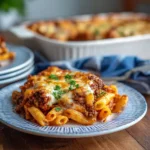
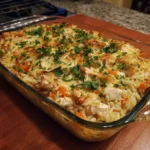
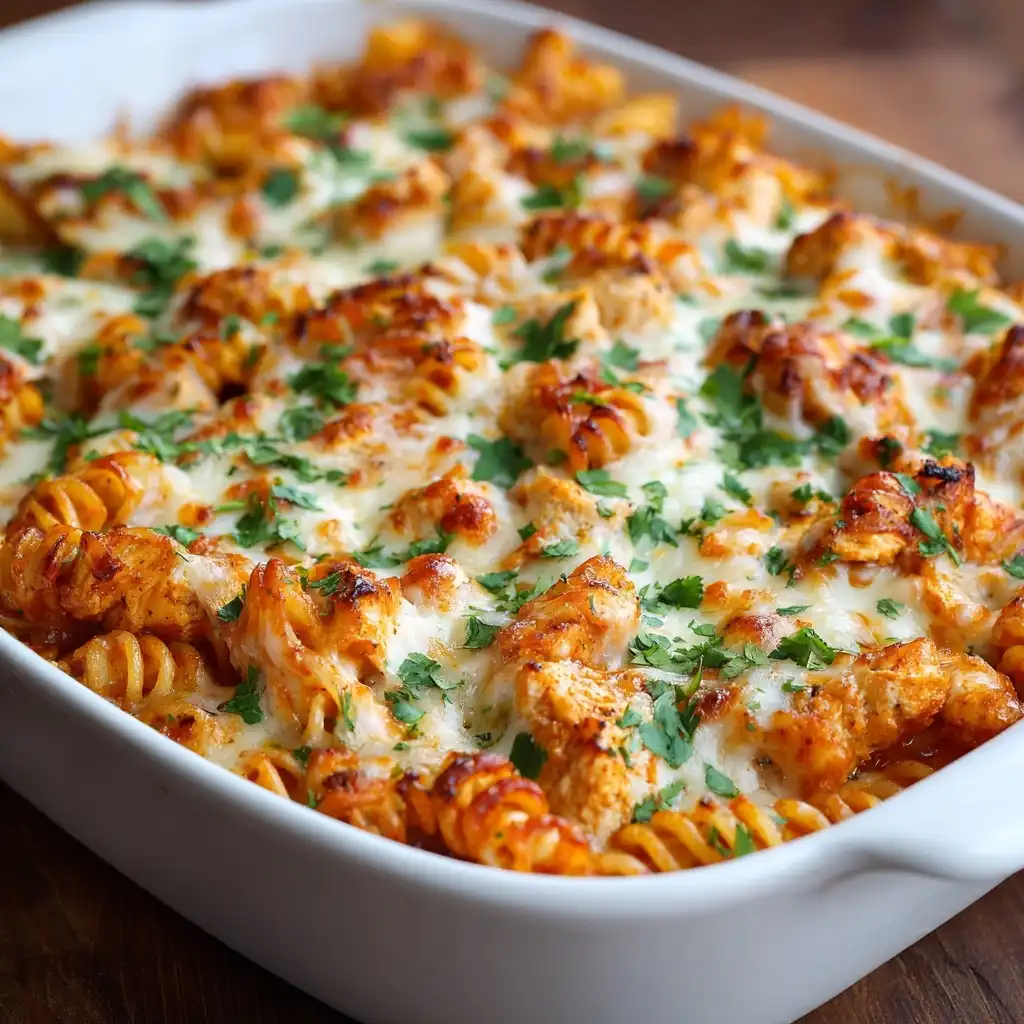
Chicken Parmesan Casserole is the ultimate comfort food reimagined for modern kitchens—combining the bold, savory flavors of classic Italian-American Chicken Parmesan with the ease, portion control, and oven-baked convenience of a hearty casserole. Unlike traditional versions that require individual breading, frying, and layering in a baking dish, this casserole streamlines the process without sacrificing depth of flavor, richness, or that irresistible golden-brown, cheesy crust. It’s designed for busy weeknights, potlucks, family dinners, meal prep enthusiasts, and anyone craving the nostalgic tang of marinara, the melt-in-your-mouth tenderness of chicken, and the creamy, stretchy embrace of mozzarella and Parmesan—all baked into one cohesive, shareable dish. Whether you’re feeding a crowd of six or prepping lunches for the week, this recipe delivers restaurant-quality satisfaction with minimal hands-on time and maximum flexibility.
The History
Chicken Parmesan—often shortened to “Chicken Parm”—traces its roots to early 20th-century Italian-American immigrant communities, particularly in New York and New Jersey. While its name evokes the Italian region of Parma (famous for Parmigiano-Reggiano cheese), the dish itself is not traditionally Italian; rather, it’s a brilliant culinary adaptation born from resourcefulness and cultural fusion. Italian immigrants adapted the Southern Italian technique of *melanzane alla parmigiana* (eggplant layered with tomato sauce and cheese) by substituting affordable, readily available chicken breast—a protein more familiar to American palates and diets. The addition of breaded, pan-fried cutlets, slow-simmered San Marzano–inspired marinara, and generous layers of mozzarella and aged Parmesan created a new American classic.
The casserole variation emerged decades later, gaining traction in the 1950s–60s alongside the rise of mid-century home cooking trends: one-dish meals, baked pasta and poultry entrees, and casseroles promoted in women’s magazines and community cookbooks as economical, family-friendly solutions. By the 1980s and ’90s, home cooks began refining the format—replacing fried cutlets with baked or sautéed tenders, incorporating ricotta for creaminess (a nod to lasagna), and experimenting with herbs, wine-infused sauces, and even gluten-free breadcrumbs. Today’s Chicken Parmesan Casserole reflects both heritage and innovation: honoring its soul-warming origins while embracing dietary inclusivity, time-saving techniques, and customizable textures—from ultra-creamy to delightfully crisp-topped.
Ingredients Breakdown
Every ingredient in this Chicken Parmesan Casserole serves a distinct functional and flavor purpose—no filler, no afterthoughts. Here’s an in-depth look at why each component matters:
- Chicken Breast (boneless, skinless): Chosen for its lean protein, neutral canvas, and ability to absorb seasoning and sauce. Sliced into thin, uniform strips (or diced into ½-inch cubes) ensures even cooking and optimal integration with other layers—no dry, rubbery chunks. For enhanced tenderness, many chefs recommend a quick brine (15–30 minutes in ¼ cup water + 1 tsp salt + 1 tsp sugar) or marinating in olive oil, lemon zest, and garlic.
- Breadcrumbs (Panko preferred): Panko offers superior crunch, lightness, and surface area for browning—critical for that signature “crispy crown.” Traditional fine breadcrumbs work but yield a denser, less airy texture. Gluten-free panko (made from rice or corn) performs remarkably well when certified GF and toasted first.
- Grated Parmesan Cheese (freshly grated, not pre-shredded): This is non-negotiable for authentic umami depth and salty complexity. Pre-shredded cheeses contain anti-caking agents (like cellulose) that inhibit melting and create graininess. Freshly grated Parmigiano-Reggiano or high-quality domestic Parmesan adds nuttiness, granular bite, and caramelized notes when baked.
- Fresh Mozzarella (low-moisture, whole-milk): Provides the essential gooey, stretchy, milky richness. Avoid fresh mozzarella di bufala (too wet) or part-skim shreds (which can become rubbery). Low-moisture mozzarella melts evenly, browns beautifully, and contributes structural integrity to the casserole’s top layer.
- Ricotta Cheese (whole-milk, small-curd): Adds luxurious creaminess, subtle sweetness, and binding power—acting as the “glue” that holds layers together and prevents dryness. Full-fat ricotta delivers superior mouthfeel and richness; low-fat versions often separate or curdle under heat.
- Marinara Sauce (homemade or high-quality store-bought): Look for a robust, slow-simmered sauce with balanced acidity (from tomatoes), herbal brightness (basil, oregano), and subtle sweetness (carrots, onions, or a touch of honey). Avoid overly sweet, overly spiced, or “pasta sauce” varieties with added sugar or preservatives. A 24-oz jar yields perfect volume—enough to coat, not drown.
- Garlic, Onion, and Fresh Herbs: Fresh minced garlic and finely diced yellow onion build aromatic foundations when sautéed in olive oil. Fresh basil (added at the end) and oregano (baked in) provide layered herbaceousness—dried herbs lack volatility and nuance unless bloomed in fat first.
- Olive Oil (extra-virgin): Used for sautéing aromatics and brushing the top before baking—it enhances browning, carries flavor, and imparts fruity, peppery notes that complement the cheese and tomatoes.
- Egg (optional but recommended): A lightly beaten egg folded into the ricotta mixture improves binding, adds richness, and helps prevent separation during baking—especially important if using lean chicken or reheating leftovers.
- Salt, Black Pepper, Red Pepper Flakes: Salt amplifies all flavors; freshly cracked black pepper adds warmth and spice; a pinch of red pepper flakes introduces bright, clean heat—not overwhelming, but perceptible on the finish.
Step-by-Step Recipe
- Preheat & Prep: Position oven rack in the center and preheat to 375°F (190°C). Lightly grease a 9×13-inch ceramic or glass baking dish with olive oil or non-stick spray. Gather all ingredients and measure them precisely—casseroles rely on balance, not improvisation.
- Season & Cook the Chicken: Pat chicken pieces thoroughly dry with paper towels. In a large bowl, toss with 1 tbsp olive oil, 1 tsp salt, ½ tsp black pepper, ½ tsp garlic powder, and ¼ tsp red pepper flakes. Heat 1 tbsp olive oil in a large nonstick skillet over medium-high heat. Once shimmering, add chicken in a single layer (work in batches if needed). Sauté 4–5 minutes per side until golden brown and cooked through (internal temp 165°F). Transfer to a plate and let rest 3 minutes; then chop into bite-sized pieces (~½ inch) if not already diced. Reserve any accumulated juices—they’re flavor gold!
- Sauté Aromatics: In the same skillet (no need to wash), reduce heat to medium. Add 1 tbsp olive oil, followed by ½ cup finely diced yellow onion. Sauté 4 minutes until translucent. Add 4 cloves minced garlic and 1 tsp dried oregano; cook 60 seconds until fragrant—do not burn. Stir in reserved chicken juices for extra depth.
- Prepare Ricotta Layer: In a medium bowl, combine 15 oz whole-milk ricotta, 1 large egg (lightly beaten), ¼ cup freshly grated Parmesan, ½ tsp salt, ¼ tsp black pepper, 2 tbsp chopped fresh basil, and 1 tbsp chopped fresh oregano. Fold gently with a spatula until just combined—avoid overmixing, which can make it gummy.
- Assemble Strategically: Spread 1 cup marinara sauce evenly across the bottom of the prepared baking dish. Next, scatter half the cooked chicken evenly over the sauce. Dollop half the ricotta mixture by spoonfuls, then gently spread with an offset spatula into an even (but not perfectly smooth) layer. Sprinkle with 1 cup shredded low-moisture mozzarella and 2 tbsp grated Parmesan. Repeat layers: remaining sauce → remaining chicken → remaining ricotta → remaining mozzarella → final 2 tbsp Parmesan. Finish with a light drizzle of 1 tbsp olive oil over the top.
- Bake with Precision: Cover tightly with aluminum foil (tent slightly to prevent cheese from sticking). Bake for 25 minutes. Carefully remove foil and continue baking uncovered for 18–22 minutes—until the top is deeply golden, bubbling vigorously at the edges, and the internal temperature reaches 165°F in multiple spots (use an instant-read thermometer). For extra browning, switch to broil for the final 1–2 minutes—but watch closely!
- Rest & Serve: Remove from oven and let rest, uncovered, for 12–15 minutes. This crucial step allows the layers to set, the ricotta to firm slightly, and the residual heat to finish cooking the center. Cutting too soon causes weeping and sliding layers. Garnish with additional fresh basil, a sprinkle of flaky sea salt, and optional microgreens or arugula for freshness and contrast.
Tips
- Uniformity is Everything: Cut chicken into consistent sizes—whether strips, cubes, or small medallions—to ensure even cooking. Uneven pieces lead to some being overcooked and dry while others remain underdone.
- Don’t Skip the Sear: That initial golden crust isn’t just for looks—it locks in moisture, builds fond (flavor-rich browned bits), and adds Maillard-derived complexity that infuses the entire casserole.
- Drain Ricotta (If Wet): If your ricotta seems watery (common with some brands), line a fine-mesh sieve with cheesecloth, add ricotta, and refrigerate for 30 minutes to drain excess whey. This prevents a soupy casserole.
- Layer Smart, Not Thick: Resist the urge to pile ricotta or cheese too thickly in one spot. Thin, even layers distribute richness and prevent pooling or tunneling when baked.
- Use Room-Temperature Ingredients: Cold ricotta or chilled chicken can lower the overall baking temperature and cause uneven heating. Let dairy and proteins sit out 15–20 minutes before assembling.
- Test Doneness Beyond Color: Visual cues alone aren’t reliable. Always verify internal temperature reaches 165°F in the thickest part of the chicken and center of the casserole using a calibrated instant-read thermometer.
- Broil Like a Pro: If using broil for finishing, position the rack 6 inches below the element, use oven mitts, and stay at the oven door—browning happens in seconds. Rotate the dish halfway through for even color.
- Cooling Is Non-Negotiable: Resting for at least 12 minutes allows starches in the sauce to gel, proteins to relax, and fats to resolidify—creating clean slices and preventing a runny mess on the plate.
- Reheating Without Ruin: To reheat leftovers without drying out: cover with damp parchment paper and bake at 325°F for 20–25 minutes, or microwave individual portions at 50% power in 30-second bursts, covered with a damp paper towel.
- Freeze for Future Wins: Assemble unbaked casserole (without final Parmesan or olive oil), wrap tightly in double layers of plastic + foil, and freeze up to 3 months. Thaw overnight in fridge, add toppings, and bake as directed—add 5–8 minutes to covered bake time.
Variations and Customizations
This casserole is a masterclass in adaptability—designed to accommodate preferences, pantry constraints, dietary needs, and global inspirations. Below are thoughtfully tested variations, each preserving structural integrity and flavor harmony:
- Gluten-Free Chicken Parmesan Casserole: Swap regular breadcrumbs for certified gluten-free panko or crushed gluten-free cornflakes. Use tamari-based marinara (check labels) or make your own sauce with crushed San Marzano tomatoes, garlic, onion, and herbs. Ensure all cheeses are naturally GF (most are—but always verify).
- Low-Carb/Keto Adaptation: Replace breadcrumbs with crushed pork rinds (½ cup) mixed with 2 tbsp almond flour and 2 tbsp Parmesan for the topping. Use full-fat ricotta and mozzarella only. Boost volume with sautéed spinach (10 oz, squeezed dry) folded into the ricotta layer—or add roasted zucchini noodles (zoodles) as a base layer beneath the sauce.
- Vegetarian “Chicken” Parmesan Casserole: Substitute 16 oz sliced king oyster mushrooms (seared until golden) or 14 oz pressed, cubed extra-firm tofu (marinated in soy sauce, nutritional yeast, and garlic powder, then baked at 400°F for 20 minutes). Add 1 tsp smoked paprika to the ricotta for umami depth. Optional: fold in ½ cup cooked lentils for extra protein and heartiness.
- Spicy Arrabbiata Style: Stir 1–2 tbsp Calabrian chili paste or 1 tsp crushed red pepper into the marinara. Add ¼ tsp cayenne to the chicken seasoning and top with pickled cherry peppers before baking.
- Herbes de Provence Twist: Replace oregano and basil with 1½ tsp Herbes de Provence blend in both the chicken and ricotta. Finish with a drizzle of lavender-infused olive oil and crumbled feta instead of Parmesan for a Mediterranean flair.
- White Wine & Lemon Zest Version: Deglaze the aromatic skillet with ¼ cup dry white wine (e.g., Pinot Grigio) after sautéing onions and garlic; reduce by half before adding to sauce. Stir 1 tbsp finely grated lemon zest into the ricotta mixture for bright, citrusy lift.
- Breakfast-for-Dinner Spin: Add 4 whisked eggs and ¼ cup heavy cream to the ricotta mixture. Top with crumbled cooked pancetta or Italian sausage before the final cheese layer. Bake as directed—it transforms into a savory, protein-packed frittata-style casserole.
- Buffalo Chicken Parmesan Casserole: Toss cooked chicken in ⅓ cup Buffalo sauce before layering. Mix 2 tbsp blue cheese crumbles into the ricotta. Top with extra blue cheese and a swirl of ranch or blue cheese dressing after baking.
- “Everything Bagel” Crust Variation: Mix ¼ cup everything bagel seasoning (poppy seeds, sesame, garlic, onion, salt) into the breadcrumb-Parmesan topping for addictive crunch and savory punch.
- Sheet Pan Shortcut: For ultra-fast assembly: toss raw chicken cubes with oil and seasonings, spread on a parchment-lined sheet pan, and roast at 425°F for 18–20 minutes. Meanwhile, prepare ricotta and warm sauce. Assemble directly in the same pan (lined again) and proceed with layering and baking—cutting down on dishes and time.
Health Considerations and Nutritional Value
A single 1-cup serving (approx. 1/8 of the full 9×13 recipe) provides approximately:
- Calories: 385–420 kcal
- Protein: 32–36 g (excellent source; supports muscle maintenance, satiety, and metabolic health)
- Total Fat: 20–23 g (mostly unsaturated from olive oil and cheese; includes ~8–10 g saturated fat—moderate within balanced dietary patterns)
- Carbohydrates: 18–22 g (primarily from tomatoes and minimal added sugars; fiber ~3 g from vegetables and herbs)
- Sodium: 680–790 mg (varies by sauce and cheese choices; easily reduced by using low-sodium marinara and limiting added salt)
- Vitamins & Minerals: Rich in calcium (from cheeses), vitamin B12 (chicken and dairy), vitamin A (tomatoes, olive oil), potassium (tomatoes, chicken), and lycopene (a powerful antioxidant boosted by cooking tomatoes with fat)
Dietitian-Approved Notes:
- Heart-Healthy Swaps: Use part-skim mozzarella (reduces saturated fat by ~25%) without sacrificing melt. Opt for marinara with <140 mg sodium per ½ cup and no added sugar. Increase vegetable content by folding in 1 cup finely chopped spinach, kale, or grated carrots into the ricotta layer.
- Portion Control Strategy: Serve with a large side salad dressed in lemon vinaigrette or ½ cup cooked quinoa or farro—boosting fiber and volume without excessive calories.
- Gut-Friendly Angle: Tomatoes and garlic offer prebiotic benefits; adding 2 tbsp chopped fresh parsley or dill introduces polyphenols and digestive enzymes. For fermented depth, stir 1 tbsp high-quality, unpasteurized tomato paste or a spoonful of kimchi brine into the sauce.
- Diabetes-Friendly Tweaks: Prioritize low-glycemic marinara (<5g net carbs per ½ cup), pair with non-starchy sides, and emphasize protein/fat to blunt glucose spikes. Monitor portions—1 cup is ideal for carb counting.
- Allergen Awareness: Naturally free of nuts, shellfish, and soy (if using soy-free cheese and sauce). Always verify labels for hidden dairy derivatives (whey, casein) if accommodating severe allergies or vegan diets.
Ingredients
- 1.5 lbs boneless, skinless chicken breasts, cut into ½-inch cubes or thin strips
- 3 tbsp extra-virgin olive oil, divided
- 1 tsp kosher salt, plus more to taste
- 1 tsp freshly ground black pepper
- 1 tsp garlic powder
- ¼ tsp red pepper flakes
- 1 medium yellow onion, finely diced (about ½ cup)
- 4 cloves garlic, minced
- 1 tsp dried oregano
- 24 oz high-quality marinara sauce (about 3 cups)
- 15 oz whole-milk ricotta cheese (drained if watery)
- 1 large egg
- ½ cup freshly grated Parmesan cheese, divided (¼ cup for ricotta, ¼ cup for topping)
- 2 tbsp chopped fresh basil, divided
- 1 tbsp chopped fresh oregano
- 2 cups shredded low-moisture mozzarella cheese (8 oz)
- 1 cup panko breadcrumbs (regular or gluten-free)
- Flaky sea salt and additional fresh basil, for garnish
Directions
- Preheat oven to 375°F (190°C). Lightly grease a 9×13-inch baking dish with olive oil or non-stick spray.
- In a large bowl, combine chicken pieces with 1 tbsp olive oil, 1 tsp salt, 1 tsp black pepper, garlic powder, and red pepper flakes. Toss to coat evenly.
- Heat 1 tbsp olive oil in a large nonstick skillet over medium-high heat. Once hot and shimmering, add chicken in a single layer (cook in batches if needed). Sear 4–5 minutes per side until golden brown and cooked through (165°F internal temperature). Transfer to a cutting board, let rest 3 minutes, then chop into uniform bite-sized pieces. Reserve any juices.
- In the same skillet, reduce heat to medium. Add remaining 1 tbsp olive oil, onion, and a pinch of salt. Sauté 4 minutes until softened. Add garlic and dried oregano; cook 60 seconds until fragrant. Stir in reserved chicken juices.
- In a medium bowl, whisk ricotta, egg, ¼ cup Parmesan, 1 tbsp basil, oregano, ½ tsp salt, and ¼ tsp black pepper until smooth and cohesive.
- To assemble: Spread 1 cup marinara in bottom of prepared dish. Scatter half the chicken over sauce. Dollop half the ricotta mixture over chicken and gently spread. Sprinkle with 1 cup mozzarella and 2 tbsp Parmesan. Repeat layers: remaining sauce → remaining chicken → remaining ricotta → remaining mozzarella → remaining 2 tbsp Parmesan. Drizzle top with 1 tsp olive oil.
- Cover tightly with foil and bake 25 minutes. Remove foil and bake uncovered 18–22 minutes, until top is golden brown, bubbling at edges, and internal temperature reaches 165°F. Optional: Broil 1–2 minutes for deeper browning (watch closely).
- Let rest uncovered for 12–15 minutes. Garnish with remaining 1 tbsp basil, flaky sea salt, and extra Parmesan. Serve warm.
FAQ
- Can I use frozen chicken?
- Yes—but thaw completely in the refrigerator overnight and pat *very* dry before seasoning and searing. Never bake with partially frozen chicken—it creates steam pockets and uneven doneness.
- Why does my ricotta layer weep or separate?
- Most commonly due to excess moisture in ricotta (not drained), cold ingredients, or overmixing. Always drain watery ricotta, bring to room temperature, and fold gently—not whip.
- Can I make this ahead of time?
- Absolutely. Assemble up to 1 day ahead, cover tightly, and refrigerate. Add 5–7 minutes to the covered bake time. For best texture, wait to add the final breadcrumb or Parmesan topping until just before baking.
- What’s the best way to reheat leftovers?
- Individual portions: Cover with damp paper towel and microwave at 50% power in 30-second intervals until heated through (~2–3 minutes). Full casserole: Cover with foil, bake at 325°F for 25–30 minutes, or until 165°F internally.
- Can I substitute cottage cheese for ricotta?
- Yes—with caveats. Use small-curd, full-fat cottage cheese and pulse in a food processor until nearly smooth (but not totally liquid). Drain well. Expect a slightly tangier, looser texture—add 1 tsp lemon juice and ½ tsp xanthan gum (optional) to stabilize.
- Is there a dairy-free version?
- Yes. Use dairy-free ricotta (almond or cashew-based), vegan mozzarella shreds (Miyoko’s or Violife perform best), and nutritional yeast (3 tbsp) in place of Parmesan. Note: texture will be softer and browning less pronounced—broil carefully.
- How do I prevent soggy bottoms?
- Key strategies: (1) Use thick, reduced marinara—not thin, watery sauce; (2) Do not over-layer sauce—1 cup for base, 1 cup between layers, 1 cup on top is ideal; (3) Always pre-sear chicken to render moisture; (4) Let casserole rest fully before cutting.
- Can I add pasta?
- You can—but it changes the dish fundamentally. For a hybrid “Chicken Parmesan Pasta Bake,” stir 2 cups cooked, drained penne or rigatoni into the sauce layer before assembling. Reduce total marinara to 2 cups and increase bake time by 8–10 minutes.
- What wine pairs well with this casserole?
- A medium-bodied Italian red like Chianti Classico or Barbera d’Alba balances acidity and fruit against the richness. For white lovers, a vibrant Vermentino or unoaked Pinot Grigio works beautifully—especially with the lemon or herb variations.
- My topping isn’t browning—what should I do?
- First, check your oven calibration with an oven thermometer. Second, ensure the top layer is brushed with olive oil—it’s essential for browning. Third, consider switching to convection bake for last 10 minutes at 375°F, or broil as directed (with vigilance!).
Summary
Chicken Parmesan Casserole is a triumph of practical elegance—transforming a beloved, labor-intensive classic into a deeply flavorful, effortlessly scalable, and endlessly adaptable one-dish wonder that satisfies cravings, simplifies weeknight cooking, and invites creativity without compromise.
With its golden-crusted mosaic of tender chicken, velvety ricotta, tangy marinara, and molten cheeses—and backed by centuries of culinary evolution, modern nutritional insight, and chef-tested precision—it’s not just dinner. It’s tradition, reinvented, ready for your table.