Introduction
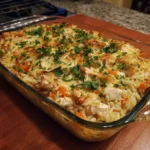
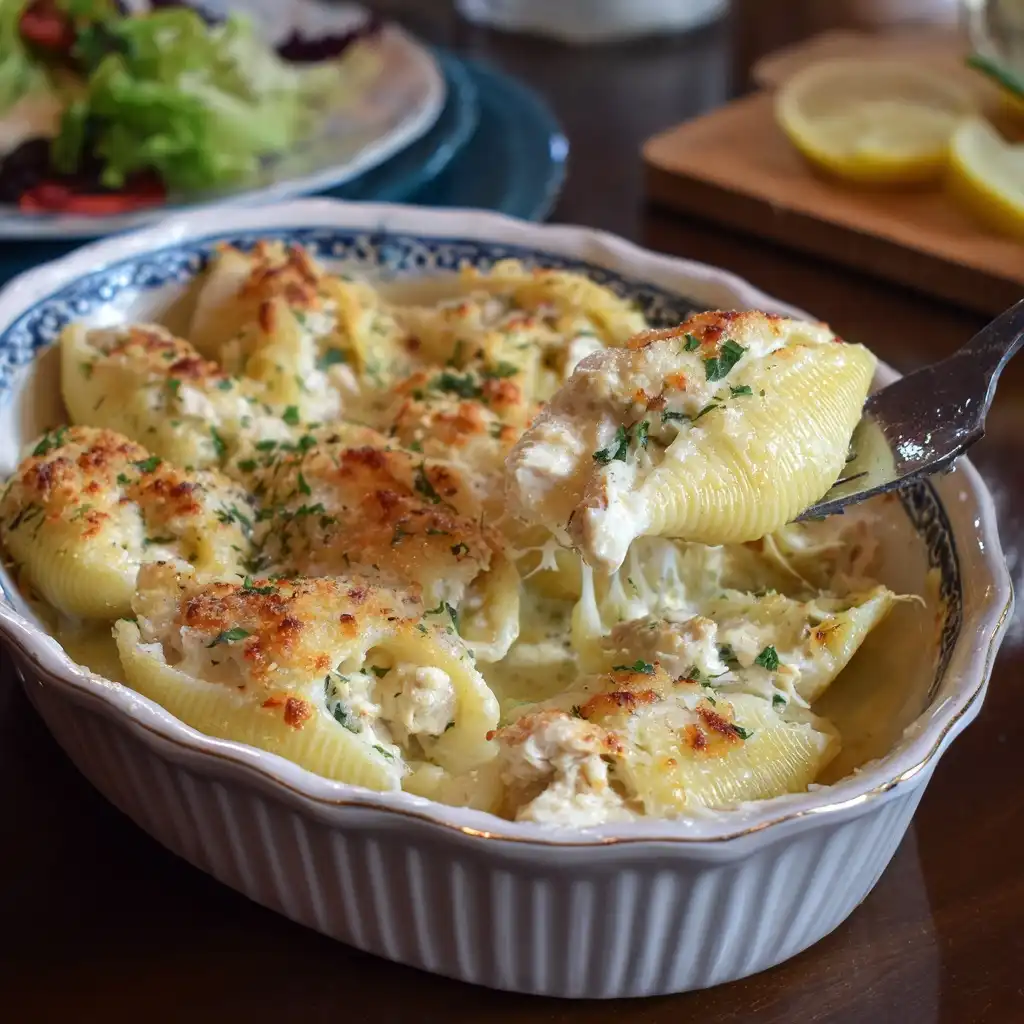
Chicken Alfredo Stuffed Shells are the ultimate comfort food reimagined — a luxurious, restaurant-worthy dish transformed into an approachable, make-ahead weeknight favorite. This elegant yet deeply satisfying pasta bake features jumbo pasta shells generously filled with a velvety, garlicky Alfredo sauce, tender shredded chicken, and a rich blend of cheeses, then baked until golden and bubbling. Unlike traditional baked ziti or lasagna, stuffed shells offer a unique textural experience: each bite delivers a delicate, slightly chewy pasta vessel cradling a creamy, savory filling — all crowned with a crisp, cheesy crust and fresh herb finish. Whether you’re planning a cozy family dinner, impressing guests at a casual gathering, or prepping freezer-friendly meals for busy seasons, Chicken Alfredo Stuffed Shells strike the perfect balance between indulgence and practicality — rich enough to feel special, simple enough to become a beloved staple in your culinary rotation.
The History
The origins of stuffed shells trace back to Italian-American culinary innovation in the early-to-mid 20th century, born from immigrant ingenuity and ingredient adaptation. While traditional Italian cuisine features stuffed pastas like cannelloni or manicotti (often filled with ricotta, spinach, and Parmigiano-Reggiano), American home cooks began experimenting with more accessible, affordable, and shelf-stable ingredients — notably jumbo pasta shells introduced by major U.S. brands in the 1950s. The “Alfredo” component has its own layered history: true Fettuccine Alfredo was invented in Rome in the early 1900s by chef Alfredo di Lelio as a simple, butter-and-Parmesan emulsion for his pregnant wife. However, the Americanized version — thickened with heavy cream, enriched with garlic, and often augmented with Romano or mozzarella — evolved post-WWII alongside the rise of suburban kitchens, convenience foods, and the growing popularity of creamy, cheese-forward dishes. Chicken entered the equation later, likely in the 1970s–80s, as lean protein became increasingly emphasized in home cooking and restaurant menus expanded beyond red meat-centric offerings. By the 1990s and early 2000s, Chicken Alfredo Stuffed Shells appeared in mainstream cookbooks, supermarket meal kits, and chain restaurant menus (think Olive Garden’s “Stuffed Shells” with chicken add-on), cementing its status as a beloved hybrid — an Italian-American classic infused with modern protein trends and creamy-sauce nostalgia.
Ingredients Breakdown
Every exceptional Chicken Alfredo Stuffed Shell begins with thoughtfully selected, high-quality components — each playing a precise role in flavor, texture, and structural integrity. Below is a detailed functional breakdown of the core ingredients:
- Jumbo Pasta Shells (30–36 count): Use bronze-die extruded shells for superior sauce adhesion and al dente resilience during baking. Avoid overcooking — they should be pliable but still slightly firm (“al dente”) after boiling, as they’ll soften further in the oven. Undercooked shells may crack; overcooked ones turn mushy and collapse.
- Boneless, Skinless Chicken Breasts or Thighs (1.5 lbs): Thighs yield richer flavor and juicier texture due to higher fat content; breasts offer a leaner, milder profile. Poaching, slow-roasting, or sous-vide ensures even, tender shreds without dryness. Avoid grilling or pan-searing unless deglazing the fond into the sauce — otherwise, charred bits can impart bitterness.
- Unsalted Butter (½ cup): Provides foundational richness and mouthfeel. Clarified butter can be substituted for higher smoke point if sautéing aromatics aggressively, but regular unsalted butter contributes essential dairy notes.
- Heavy Cream (2 cups, minimum 36% fat): The backbone of authentic Alfredo texture. Lower-fat alternatives (half-and-half, whole milk) will result in a thinner, less stable sauce prone to curdling or separating. Never boil vigorously — gentle simmer only.
- Freshly Grated Parmigiano-Reggiano (1.5 cups, finely grated): Non-negotiable for depth, umami, and granular melt. Pre-grated “Parmesan” contains cellulose anti-caking agents that inhibit smooth melting and mute flavor. Use a microplane for optimal integration.
- Whole Milk Ricotta (1.5 cups): Adds subtle sweetness, airy lightness, and binding structure to the filling. Low-moisture ricotta is too dense; part-skim lacks creaminess. Drain excess whey for 15 minutes in cheesecloth if watery.
- Shredded Mozzarella (1 cup, low-moisture, whole-milk): Delivers stretch, browning capability, and mild milky notes. Avoid pre-shredded bags — added starches prevent even melting. Freshly shredded melts smoother and browns more evenly.
- Fresh Garlic (4–5 cloves, finely minced): Raw garlic burns easily; gently sweat in butter until fragrant and pale gold (not brown) to unlock sweetness and eliminate harsh bite.
- Onion (½ small yellow, finely diced): Adds aromatic base layer. Sauté until translucent — never caramelized, as deep browning competes with Alfredo’s clean dairy profile.
- Nutmeg (¼ tsp, freshly grated): A tiny amount enhances dairy richness without tasting “spicy.” Pre-ground nutmeg loses potency within weeks.
- Fresh Parsley & Basil (¼ cup each, finely chopped): Added *after* baking for vibrant color, herbal brightness, and aromatic lift — heat dulls their volatile oils.
- Salt & White Pepper (to taste): Salt amplifies all flavors; white pepper (not black) is traditional in Alfredo for its warm, earthy heat without visual specks.
Step-by-Step Recipe
- Prep the Pasta Shells: Bring a large pot of heavily salted water (2 tbsp kosher salt per gallon) to a rolling boil. Add jumbo shells and cook for 9–10 minutes — just until pliable but still noticeably firm (they’ll cook ~15 more minutes in the oven). Drain immediately in a colander, rinse briefly under cool water to stop cooking, then lay flat on parchment-lined baking sheets in a single layer. Lightly drizzle with olive oil to prevent sticking. Let cool completely — warm shells tear when stuffed.
- Cook & Shred the Chicken: Place chicken in a saucepan, cover with cold water or low-sodium broth, add 1 tsp salt, ½ tsp black pepper, 1 bay leaf, and 2 sprigs thyme. Bring to a gentle simmer (do not boil), reduce heat to lowest setting, cover, and poach for 18–22 minutes (until internal temp reaches 165°F). Remove, rest 5 minutes, then shred finely using two forks. Discard skin, bones, and herbs. Optional: Reserve ½ cup poaching liquid to adjust sauce consistency later.
- Build the Alfredo Sauce: In a heavy-bottomed Dutch oven or wide saucepan, melt butter over medium-low heat. Add diced onion; sauté 4–5 minutes until soft and translucent. Add minced garlic; stir constantly 60–90 seconds until fragrant — do not brown. Whisk in heavy cream, reserved poaching liquid (if using), and a pinch of white pepper. Bring to a very gentle simmer (small bubbles barely breaking surface), then reduce heat to low. Simmer uncovered, stirring every 2 minutes, for 8–10 minutes until slightly thickened (coats the back of a spoon). Remove from heat. Gradually whisk in Parmigiano-Reggiano, ¼ cup at a time, allowing each addition to fully melt before adding more. Stir in nutmeg and taste for seasoning — adjust salt carefully, as cheese is salty.
- Prepare the Filling: In a large mixing bowl, combine shredded chicken, ricotta, ¾ cup mozzarella, ½ cup Parmigiano-Reggiano, 2 tbsp fresh parsley, 1 tbsp basil, ¼ tsp white pepper, and ½ tsp salt. Gently fold in 1.5 cups of the warm (not hot) Alfredo sauce — reserving the remaining sauce for topping. Mix just until uniform; overmixing warms the ricotta and makes filling grainy.
- Stuff the Shells: Using a small cookie scoop (1.5 tbsp) or piping bag with a wide tip, fill each cooled shell generously — aim for 1.5–2 tbsp filling per shell. Gently press filling into the center cavity without overstuffing (it should mound slightly but not bulge). Place upright in a greased 9×13-inch baking dish with sides at least 2.5 inches tall.
- Assemble & Bake: Pour remaining Alfredo sauce evenly over stuffed shells, tilting dish to coat exposed pasta edges. Sprinkle top with remaining ¼ cup mozzarella and ¼ cup Parmigiano-Reggiano. Cover tightly with aluminum foil (tent it slightly to prevent cheese from sticking). Bake at 375°F for 25 minutes. Remove foil and bake uncovered 12–15 minutes until sauce is bubbling vigorously at edges and cheese is deeply golden with slight caramelized spots. Rotate pan halfway through uncovered bake.
- Rest & Garnish: Remove from oven and let rest 12–15 minutes before serving — this allows sauce to reabsorb, prevents scalding, and firms the filling for cleaner serving. Sprinkle generously with remaining fresh parsley and basil just before presenting.
Tips
- Texture Control for Perfect Shells: If shells stick together after cooling, dip fingertips in cold water before gently prying them apart — dry fingers cause tearing. For ultra-plump shells, lightly brush insides with olive oil before stuffing to create a moisture barrier against sauce absorption.
- Sauce Consistency Mastery: Alfredo sauce thickens as it cools. If filling feels too stiff to pipe, whisk in 1–2 tbsp warm cream or reserved poaching liquid. If too runny, simmer reserved sauce 2–3 minutes longer before topping.
- Prevent Soggy Bottoms: Line the bottom of your baking dish with a thin layer (¼ inch) of extra sauce before placing shells — this creates a protective cushion and ensures even heating.
- Golden Cheese Secret: For maximum browning without burning, broil uncovered shells for the final 90 seconds — watch constantly. Alternatively, mix 1 tbsp melted butter + 1 tsp garlic powder + 1 tsp dried oregano and brush over cheese before broiling.
- Make-Ahead Magic: Assemble up to 24 hours ahead: stuff shells, arrange in dish, cover tightly with plastic wrap + foil, refrigerate. Add 5–8 minutes to covered bake time. For freezer storage (up to 3 months), omit fresh herbs, freeze unbaked, then bake from frozen: cover and bake at 350°F for 60 minutes, uncover and bake 20–25 minutes more.
- Leftover Reinvention: Refrigerated leftovers (up to 4 days) transform into next-day Chicken Alfredo Quesadillas (fill tortillas with shells + extra cheese), creamy pasta salad (toss with peas, cherry tomatoes, lemon zest), or breakfast frittatas (fold into beaten eggs).
- Flavor Layering Pro-Tip: Infuse your poaching liquid with 1 smashed shallot, 2 garlic cloves, and 1 tsp lemon zest — strain before shredding chicken. The subtle citrus brightens the richness without clashing.
Variations and Customizations
This versatile recipe invites endless creativity while preserving its creamy, comforting soul. Here are chef-tested, crowd-pleasing adaptations — all designed to maintain structural integrity and balanced flavor:
- Vegetarian Deluxe: Omit chicken; add 1.5 cups roasted butternut squash (cubed, tossed in maple syrup & smoked paprika), ½ cup sautéed wild mushrooms (cremini + oyster), and ¼ cup toasted pine nuts. Boost umami with 2 tbsp nutritional yeast in the sauce.
- Spicy Arrabbiata Fusion: Stir 2 tbsp Calabrian chile paste + 1 tsp crushed red pepper flakes into the Alfredo sauce. Top with crumbled spicy soppressata before baking and garnish with pickled Fresno chiles.
- Truffle Elegance: Fold 1.5 tsp white truffle oil into the filling and drizzle ½ tsp black truffle oil over finished dish. Substitute ¼ cup grated aged Pecorino Romano for part of the Parmigiano for sharper contrast.
- Smoky Gouda & Apple: Replace half the mozzarella with smoked Gouda; fold in 1 cup finely diced Honeycrisp apple (tossed in lemon juice) and 2 tbsp chopped toasted walnuts. Add ½ tsp ground coriander to the sauce.
- Seafood Medley: Swap chicken for 12 oz lump crabmeat (picked over) and 8 oz cooked, chopped shrimp. Add 1 tbsp Old Bay seasoning to the filling and finish with lemon zest and dill.
- Lighter “Ranchero” Version: Use Greek yogurt (¾ cup) + reduced-fat cream cheese (¼ cup) instead of ricotta; replace half the heavy cream with whole milk; add 1 tsp chipotle in adobo (minced) and ¼ cup chopped cilantro to filling. Top with cotija instead of mozzarella.
- Gluten-Free Adaptation: Use certified GF jumbo shells (Barilla or Jovial); ensure all cheeses and broth are GF-certified. Increase ricotta by ¼ cup to compensate for GF pasta’s absorbency. Bake covered 30 minutes, uncovered 18 minutes.
- Kid-Friendly “Hidden Veggie”: Blend ½ cup steamed cauliflower + ¼ cup spinach into the Alfredo sauce until silky smooth. Kids won’t detect it — adults appreciate the nutrient boost.
Health Considerations and Nutritional Value
A standard serving (3–4 stuffed shells + sauce, approx. 1.5 cups) provides approximately 580–650 calories, with nuanced nutritional trade-offs worth understanding:
- Protein Powerhouse: ~42g high-quality protein (chicken + dairy) supports muscle maintenance, satiety, and metabolic health. Chicken thighs provide more monounsaturated fats than breasts, supporting heart health when consumed in moderation.
- Dairy Benefits & Considerations: Parmigiano-Reggiano offers calcium (25% DV), vitamin K2 (for bone/vascular health), and bioactive peptides. However, lactose-intolerant individuals may tolerate aged cheeses better than ricotta or cream — consider lactase enzyme supplementation or lactose-free ricotta alternatives.
- Fat Profile: Primarily saturated fat from dairy (approx. 32g/serving). While recent research challenges blanket “saturated fat = unhealthy” dogma, those managing cholesterol may benefit from substituting ¼ cup heavy cream with full-fat coconut milk (adds MCTs) and using grass-fed butter (higher CLA content).
- Sodium Awareness: Naturally moderate (approx. 520mg/serving), but spikes significantly with pre-grated cheese or canned broth. Control sodium by using low-sodium broth, omitting added salt in poaching liquid, and measuring cheese precisely.
- Fiber & Micronutrients: Traditional version is low in fiber (2g/serving). Boost with ½ cup finely grated zucchini (squeezed dry) in filling or serve with a large side salad (kale, arugula, lemon vinaigrette) for vitamins A, C, K, and folate.
- Glycemic Impact: Moderate (pasta + dairy = slower glucose rise than plain pasta). For lower glycemic load, use lentil or chickpea pasta shells (adds 8g fiber/serving) and pair with non-starchy vegetables.
- Allergen Notes: Contains gluten (pasta), dairy (multiple sources), and eggs (in some pasta brands). Always verify labels for shared equipment warnings if severe allergies exist.
Note: Nutritional values are estimates and vary based on specific brands, cheese aging, and portion size. For personalized guidance, consult a registered dietitian — especially for conditions like hypertension, diabetes, or renal disease.
Ingredients
- 30–36 jumbo pasta shells (bronze-die preferred)
- 1.5 lbs boneless, skinless chicken breasts or thighs
- 2 tbsp kosher salt (divided)
- 1 tsp black peppercorns
- 1 bay leaf
- 2 sprigs fresh thyme
- ½ cup (1 stick) unsalted butter
- ½ small yellow onion, finely diced
- 4–5 garlic cloves, finely minced
- 2 cups heavy cream (minimum 36% fat)
- ¼ tsp freshly grated nutmeg
- ¼ tsp freshly ground white pepper (plus more to taste)
- 1.5 cups freshly grated Parmigiano-Reggiano (finely grated)
- 1.5 cups whole-milk ricotta (drained if watery)
- 1 cup low-moisture whole-milk mozzarella, freshly shredded
- ¼ cup fresh flat-leaf parsley, finely chopped (divided)
- ¼ cup fresh basil leaves, finely chopped (divided)
- Olive oil (for brushing shells)
Directions
- Bring 4 quarts water to a rolling boil. Add 2 tbsp kosher salt. Cook pasta shells for 9–10 minutes until pliable but very firm. Drain, rinse under cool water, lay flat on parchment-lined sheets, lightly oil, and cool completely.
- For chicken: In a saucepan, combine chicken, cold water/broth to cover, 1 tsp salt, peppercorns, bay leaf, and thyme. Bring to gentle simmer, reduce heat to lowest setting, cover, and poach 18–22 minutes until 165°F internally. Rest 5 minutes, then shred finely.
- Make sauce: Melt butter in Dutch oven over medium-low. Sauté onion 4–5 min until translucent. Add garlic; cook 60–90 sec until fragrant. Whisk in cream and white pepper. Simmer gently 8–10 min until slightly thickened. Off heat, whisk in Parmigiano-Reggiano ¼ cup at a time until smooth. Stir in nutmeg.
- Prepare filling: In large bowl, combine chicken, ricotta, ¾ cup mozzarella, ½ cup Parmigiano-Reggiano, 2 tbsp parsley, 1 tbsp basil, ¼ tsp white pepper, and ½ tsp salt. Fold in 1.5 cups warm Alfredo sauce until just combined.
- Stuff shells: Fill each cooled shell with 1.5–2 tbsp filling, pressing gently into center. Place upright in greased 9×13-inch baking dish.
- Assemble: Pour remaining sauce over shells, ensuring edges are coated. Top with remaining ¼ cup mozzarella and ¼ cup Parmigiano-Reggiano.
- Bake covered with foil at 375°F for 25 minutes. Uncover; bake 12–15 minutes until bubbling and golden. Rest 12–15 minutes. Garnish with remaining parsley and basil.
FAQ
- Can I use store-bought Alfredo sauce?
- Technically yes, but strongly discouraged. Most jarred versions contain stabilizers (xanthan gum, modified food starch) that break down under heat and cause separation. They also lack the nuanced depth of fresh garlic, butter, and aged cheese. If absolutely necessary, choose a refrigerated, artisan brand (like Rao’s) and stir in 2 tbsp real butter + ¼ cup grated Parmigiano before using.
- Why did my shells crack while stuffing?
- Two main causes: (1) Shells were too hot — always cool completely; (2) You overcooked them initially. Try reducing boil time by 1 minute next batch and test pliability with tongs — they should bend without snapping.
- Can I make this dairy-free?
- Yes, with careful substitutions: Use cashew-based “ricotta” (soaked raw cashews + lemon + nutritional yeast), coconut cream (full-fat, chilled, whipped) instead of heavy cream, and vegan Parmesan (brands like Violife or Follow Your Heart). Note: Texture and browning will differ — broil last 2 minutes to enhance color.
- My sauce curdled! How do I fix it?
- Curdling usually occurs from overheating or acid exposure. To rescue: Immediately remove from heat, whisk in 1 tbsp cold cream or butter, then strain through a fine-mesh sieve. For prevention, never boil Alfredo — keep below 180°F and avoid adding acidic ingredients (lemon, wine) directly to hot sauce.
- What’s the best way to reheat leftovers?
- Individual portions: Microwave covered with damp paper towel on 50% power for 90 seconds, then 30-second intervals until heated through. For full dish: Cover with foil, bake at 325°F for 20–25 minutes. Add 1–2 tbsp cream or broth before reheating to restore silkiness.
- Can I prepare the filling the night before?
- Absolutely — in fact, it’s recommended. Refrigerate filling (covered) up to 48 hours. The flavors meld beautifully, and cold filling is easier to pipe. Just bring to room temperature 20 minutes before stuffing.
- What wine pairs well with Chicken Alfredo Stuffed Shells?
- Opt for high-acid, medium-bodied whites that cut through richness: Italian Soave Classico, French Pouilly-Fumé, or domestic Chardonnay aged in neutral oak (think Sonoma Coast). For red lovers, try a chilled, low-tannin Pinot Noir from Oregon or Burgundy.
Summary
Chicken Alfredo Stuffed Shells are a masterclass in comforting elegance — tender jumbo pasta shells luxuriously filled with creamy, garlicky Alfredo sauce, succulent shredded chicken, and a trio of premium cheeses, then baked to golden perfection with a fresh herb finish. With make-ahead flexibility, endless customization options, and thoughtful nutrition insights, this dish transforms weeknight dinners into memorable, restaurant-caliber experiences — all while honoring its rich Italian-American heritage and celebrating the joy of shared, soul-warming meals.