Introduction
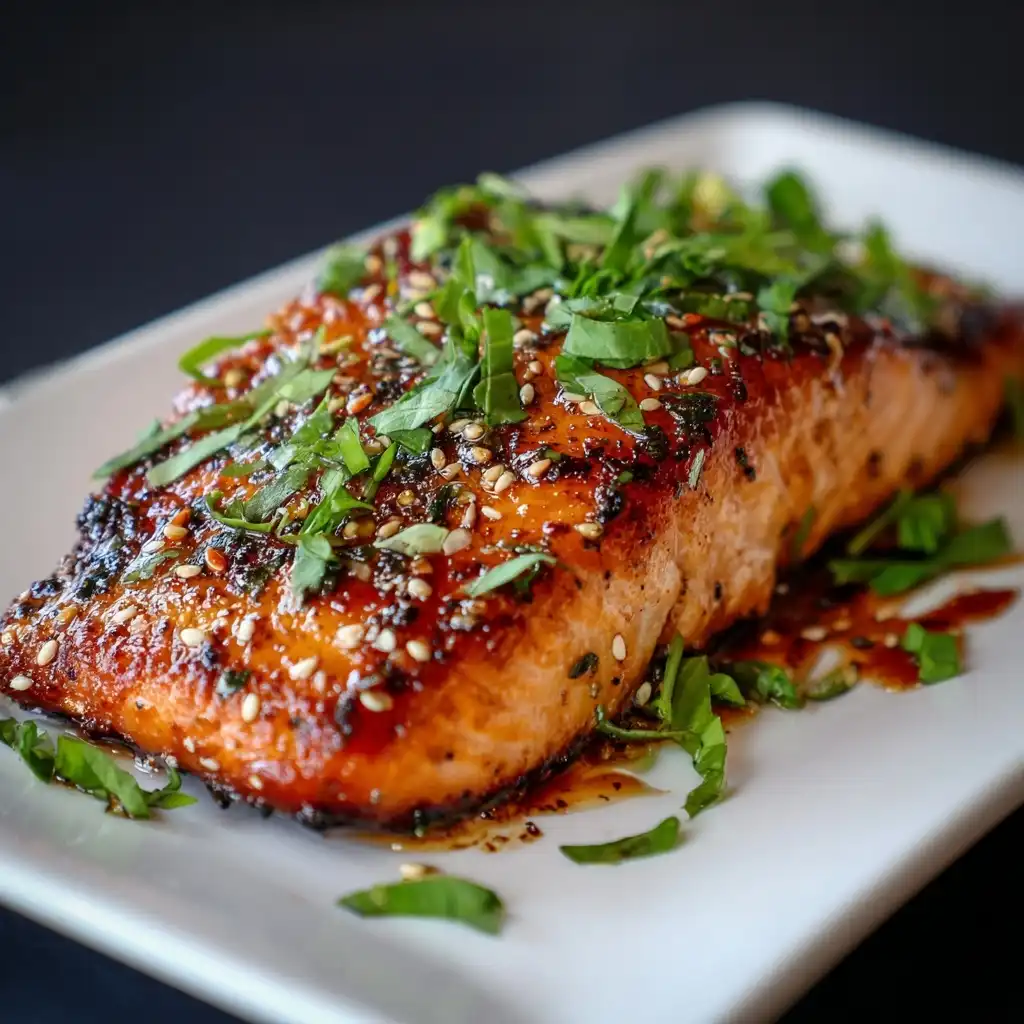
Honey Garlic Glazed Salmon is a culinary masterpiece that effortlessly bridges the gap between elegance and everyday practicality. With its glistening amber glaze, tender flaky texture, and harmonious balance of sweet, savory, umami, and subtle tang, this dish has earned a beloved spot in home kitchens, gourmet restaurants, and meal-prep rotations alike. It’s more than just dinner—it’s a sensory experience: the caramelized fragrance of simmering garlic and honey filling the kitchen, the gentle sizzle as the fillet hits the pan, the visual allure of a glossy, golden-brown crust giving way to moist, rosy-pink flesh beneath. Whether you’re cooking for a weeknight family dinner, impressing guests at a dinner party, or seeking a nutrient-dense yet deeply flavorful protein option, Honey Garlic Glazed Salmon delivers exceptional taste, simplicity, and versatility—all in under 30 minutes.
The History
While salmon itself has been a staple food source for Indigenous peoples of the Pacific Northwest for over 10,000 years—prepared through smoking, drying, roasting over open fires, and fermenting—the modern honey garlic glaze is a relatively recent fusion born from mid-20th-century global culinary cross-pollination. Garlic has long been central to Asian, Mediterranean, and Eastern European cuisines, prized for both flavor and medicinal properties. Honey, one of humanity’s oldest sweeteners, appears in ancient Egyptian, Mesopotamian, and Vedic texts as both food and preservative. The marriage of honey and garlic gained traction in postwar American kitchens as pantry staples became more accessible and international flavors entered mainstream consciousness—especially through the rise of tiki culture, Polynesian-inspired restaurants, and later, the 1980s–90s “Asian-fusion” movement. Chefs and home cooks began experimenting with soy sauce, ginger, and honey to create glossy, sticky, restaurant-quality glazes—eventually adapting them to premium proteins like salmon. Though not tied to a single origin story, Honey Garlic Glazed Salmon embodies the evolution of global ingredient synergy: Japanese teriyaki’s sweet-savory foundation, Chinese stir-fry techniques, Korean yangnyeom (marinade) philosophy, and North American emphasis on fresh, high-quality seafood.
Ingredients Breakdown
Every element in this recipe serves a precise functional and flavor role—no filler, no afterthought:
- Salmon Fillets (skin-on or skinless, wild-caught preferred): Rich in omega-3 fatty acids (EPA & DHA), high-quality protein, vitamin D, selenium, and astaxanthin (a potent antioxidant giving salmon its pink hue). Wild Alaskan or Pacific salmon offers superior fat-to-muscle ratio and lower contaminant levels than many farmed alternatives.
- Raw Unfiltered Honey: Provides complex sweetness, natural enzymes, trace minerals (zinc, potassium), and humectant properties that help retain moisture during cooking. Raw honey also contains beneficial polyphenols and hydrogen peroxide—unlike ultra-filtered or pasteurized versions, which lose much of their bioactive richness.
- Fresh Garlic (minced or grated): Contains allicin—the sulfur compound responsible for garlic’s pungent aroma and celebrated cardiovascular, antimicrobial, and anti-inflammatory benefits. Fresh garlic delivers far more allicin than powdered or jarred versions, especially when crushed and allowed to rest for 10 minutes pre-cooking.
- Low-Sodium Soy Sauce (or Tamari for gluten-free): Adds deep umami, salt balance, and rich color via naturally occurring melanoidins from fermentation. Opting for low-sodium versions allows control over total sodium intake without sacrificing depth.
- Rice Vinegar (unseasoned): Offers bright acidity to cut through richness, enhance perception of sweetness, and tenderize surface proteins slightly—contributing to better glaze adhesion and mouthfeel balance.
- Fresh Ginger (grated): Brings warm, citrusy heat and zing; contains gingerol (a potent anti-nausea and anti-inflammatory compound) that synergizes beautifully with garlic and honey.
- Sesame Oil (toasted, used at the end): Not for cooking—but for finishing. Its intense nutty aroma and volatile flavor compounds are heat-sensitive; adding it off-heat preserves its complexity and adds an aromatic top note that elevates the entire dish.
- Green Onions (scallions) & Sesame Seeds (white or black): Provide textural contrast (crisp vs. crunchy), visual appeal, and subtle allium freshness. Black sesame seeds offer additional calcium and anthocyanin antioxidants.
- Optional Enhancements: A splash of orange juice or zest for brightness; a pinch of red pepper flakes or gochugaru for gentle heat; a teaspoon of Dijon mustard for emulsification and tang; or a drizzle of high-quality maple syrup blended with honey for deeper caramel notes.
Step-by-Step Recipe
- Prep the Salmon: Pat fillets *extremely dry* with paper towels—this is non-negotiable for achieving crisp edges and proper glaze adherence. Score the skin side (if using skin-on) with two shallow diagonal cuts to prevent curling. Let sit at room temperature for 10–15 minutes while you prepare the glaze.
- Make the Glaze: In a small saucepan over medium-low heat, combine ¼ cup honey, 3 tbsp low-sodium soy sauce, 1½ tbsp rice vinegar, 2 tbsp finely grated fresh ginger, and 4–5 cloves minced garlic. Whisk gently and bring to a gentle simmer—not a rolling boil—to preserve honey’s delicate enzymes and prevent bitterness. Simmer uncovered for 4–5 minutes, stirring frequently, until reduced by ~25% and thickened to a light syrup consistency that coats the back of a spoon. Remove from heat and stir in 1 tsp toasted sesame oil. Set aside 2 tbsp for basting; reserve the rest for serving.
- Season & Sear: Lightly season salmon fillets with flaky sea salt and white pepper (black pepper can overpower). Heat 1 tbsp neutral oil (avocado or grapeseed) in a heavy-bottomed oven-safe skillet (cast iron or stainless steel preferred) over medium-high heat until shimmering but not smoking (~375°F). Place fillets skin-side down (if skin-on) and press gently with a spatula for 15 seconds to ensure full contact. Cook undisturbed for 4–5 minutes until skin is ultra-crisp and golden. For skinless, sear presentation-side down first.
- Glaze & Finish: Carefully flip fillets (use two spatulas if needed). Immediately brush generously with reserved glaze. Transfer skillet to a preheated 400°F (200°C) oven for 5–7 minutes—or until internal temperature reaches 125°F (52°C) for medium-rare, 130°F (54°C) for medium. Baste once more halfway through.
- Rest & Serve: Remove from oven and let rest 3 minutes—this allows residual heat to gently finish cooking while juices redistribute. Drizzle with remaining glaze, a final whisper of toasted sesame oil, thinly sliced green onions, and sesame seeds. Serve immediately alongside steamed jasmine rice, roasted asparagus, or a crisp shiso-miso slaw.
Tips
- Dryness is Destiny: Wet salmon = steamed salmon = soggy glaze. Always pat *thoroughly*—even re-pat right before searing.
- Don’t Rush the Glaze Reduction: Over-reducing causes crystallization and bitterness. Under-reducing yields a watery, sliding glaze. Aim for a slow, steady simmer and test thickness with a spoon.
- Garlic Timing Matters: Add garlic *after* ginger has infused the liquid—too early, and it burns; too late, and it lacks depth. Simmering 2–3 minutes ensures mellowed, sweet-savory complexity—not raw bite nor acrid sharpness.
- Skin-On for Crispness & Moisture: Skin acts as a protective barrier, locking in moisture and providing structural integrity. Crisp skin also offers textural contrast and visual drama.
- Oven Finish > Pan-Only: Broiling or high-heat stovetop-only risks overcooking the exterior before the center reaches ideal doneness. The oven’s gentle, enveloping heat ensures even, precise cooking.
- Internal Temp is Your Compass: Invest in an instant-read thermometer. Salmon continues to cook 5°F after removal from heat (carryover cooking). Pull at 125°F for buttery, translucent perfection.
- Acid Last, Always: If adding citrus zest or juice, do so *after* cooking—heat degrades volatile aromatic oils and dulls brightness.
- Double the Glaze: Make extra—it keeps refrigerated for 2 weeks and doubles as a marinade for chicken thighs, tofu, or roasted carrots.
Variations and Customizations
- Korean-Inspired: Swap soy sauce for gochujang-thinned soy, add pear puree (½ small Asian pear) for natural sweetness and tenderizing enzymes, and garnish with kimchi slaw.
- Mediterranean Twist: Replace rice vinegar with lemon juice, add chopped oregano and kalamata olives, and finish with crumbled feta and roasted cherry tomatoes.
- Smoky Maple Version: Substitute half the honey with pure maple syrup and add ¼ tsp smoked paprika + 1 tsp apple cider vinegar for layered depth.
- Herb-Forward: Stir 1 tbsp chopped fresh dill and 1 tsp lemon thyme into the warm glaze; top with microgreens and edible flowers.
- Low-Carb/Keto Adaptation: Use sugar-free maple syrup or monk fruit-sweetened honey alternative; increase sesame oil slightly and add 1 tsp MCT oil for satiety.
- Grill Master: Marinate fillets 20 minutes in half the glaze (no cooking), then grill over medium indirect heat, basting every 2 minutes—ideal for summer entertaining.
- Baked Sheet-Pan Style: Arrange salmon on parchment-lined sheet pan with broccoli florets and bell peppers; drizzle everything with glaze and roast at 425°F for 14–16 minutes.
- Pescatarian Power Bowl: Flake cooled salmon over quinoa, avocado ribbons, pickled red onion, edamame, and nori strips—drizzle with extra glaze and yuzu kosho.
Health Considerations and Nutritional Value
A standard 6-ounce (170g) serving of Honey Garlic Glazed Salmon (made with wild-caught salmon and mindful portioning of glaze) delivers approximately:
- Calories: ~380–420 kcal (varies by oil and honey quantity)
- Protein: 34–38g (complete amino acid profile, including all 9 essentials)
- Healthy Fats: 22–26g total fat, of which 3.5–4.5g are anti-inflammatory omega-3s (EPA+DHA)—meeting and exceeding daily recommendations for heart and brain health
- Vitamins & Minerals: 100%+ DV Vitamin D, 85% DV Selenium, 50% DV Vitamin B12, plus significant niacin, magnesium, and potassium
- Sugar: ~18–22g total (primarily from honey—naturally occurring fructose/glucose with polyphenol co-factors; significantly less glycemic impact than refined sugar)
- Sodium: ~580–650mg (well within AHA’s <1,500mg/day recommendation for hypertension-prone individuals, especially when using low-sodium soy sauce)
Nutrition Notes: While honey contributes natural sugars, its antioxidant capacity (including gallic acid and chrysin) may modulate glucose metabolism. Pairing with fiber-rich sides (brown rice, roasted vegetables) further slows absorption. For those managing blood sugar, reduce honey to 3 tbsp and add 1 tsp cinnamon (shown to improve insulin sensitivity). Omega-3s in salmon support cognitive function, reduce systemic inflammation linked to arthritis and metabolic syndrome, and improve endothelial function—making this dish not just delicious, but clinically supportive. Always choose sustainably sourced salmon (MSC- or ASC-certified) to minimize environmental impact and PCB/dioxin exposure.
Ingredients
- 4 (6-ounce) skin-on wild-caught salmon fillets, pin bones removed
- ¼ cup raw unfiltered honey
- 3 tablespoons low-sodium soy sauce (or tamari)
- 1½ tablespoons unseasoned rice vinegar
- 2 tablespoons fresh ginger, finely grated (about 1-inch knob)
- 4–5 large garlic cloves, finely minced or pressed
- 1 teaspoon toasted sesame oil (for glaze)
- 1 tablespoon neutral high-smoke-point oil (avocado, grapeseed, or refined coconut)
- Flaky sea salt and freshly ground white pepper
- 2 green onions, thinly sliced (green and white parts separated)
- 1 tablespoon toasted white or black sesame seeds
- Extra toasted sesame oil (for finishing)
Directions
- Place salmon fillets on a wire rack set over a baking sheet. Pat *aggressively dry* with paper towels—top, sides, and underside. Refrigerate uncovered for 15 minutes to further dehydrate surface (optional but highly recommended for maximum crispness).
- In a small heavy-bottomed saucepan, combine honey, soy sauce, rice vinegar, grated ginger, and minced garlic. Place over medium-low heat. Bring to a gentle simmer—small bubbles breaking softly at the edges—and maintain for exactly 4 minutes 30 seconds, whisking constantly. Do not boil vigorously. Remove from heat and whisk in 1 tsp toasted sesame oil. Transfer 2 tbsp to a small bowl for basting; cover and set aside. Reserve remaining glaze.
- Season salmon lightly with flaky salt and white pepper. Heat neutral oil in a 12-inch oven-safe skillet (cast iron preferred) over medium-high heat until oil shimmers and a drop of water dances. Carefully place salmon skin-side down. Press gently with a spatula for 15 seconds to ensure full contact. Cook undisturbed for 4 minutes 30 seconds—until skin is deeply golden and releases easily.
- Flip salmon carefully using two wide spatulas. Immediately brush tops with reserved 2 tbsp glaze. Transfer skillet directly to a preheated 400°F (200°C) oven. Bake for 5 minutes. Remove, baste again with another 1 tbsp of reserved glaze, and return to oven for 1 minute 30 seconds (total oven time: 6 min 30 sec).
- Remove skillet from oven. Using a fish spatula, transfer fillets to warmed plates, skin-side up. Spoon remaining warm glaze generously over each fillet. Drizzle with a final ½ tsp toasted sesame oil per serving. Garnish with white parts of green onions, sesame seeds, and green onion tops. Serve immediately.
FAQ
- Can I use frozen salmon? Yes—but thaw *slowly* in the refrigerator overnight. Never microwave-thaw for this recipe, as partial cooking and moisture release ruin texture and glaze adherence.
- Is there a substitute for soy sauce? Coconut aminos (lower sodium, slightly sweeter) or liquid aminos work well. For depth without soy, try mushroom umami powder + salt + dash of molasses.
- Why does my glaze burn or crystallize? Likely caused by overheating honey (above 350°F), insufficient stirring, or reducing too long. Always simmer gently and monitor thickness closely.
- Can I make this ahead? Glaze can be made 2 weeks ahead and refrigerated. Salmon should be cooked fresh—but you can prep and marinate (in half-glaze) up to 30 minutes ahead.
- How do I store leftovers? Refrigerate in an airtight container up to 3 days. Reheat gently in a 325°F oven (covered with foil) for 10–12 minutes—microwaving dries out salmon.
- What sides pair best? Steamed short-grain rice, miso-glazed eggplant, sautéed bok choy with shiitakes, roasted sweet potato wedges with gochujang aioli, or a vibrant seaweed-cucumber salad.
- Is this safe for pregnant individuals? Yes—wild-caught salmon is low in mercury and high in DHA, critical for fetal neurodevelopment. Just ensure fully cooked (145°F internal temp if preferred, though 125–130°F is microbiologically safe for high-quality salmon).
- Can I air-fry it? Absolutely: Brush fillets with oil, place skin-down in basket, air-fry at 400°F for 7 minutes. Flip, brush with glaze, air-fry 3 more minutes. Baste again before serving.
Summary
Honey Garlic Glazed Salmon is a nutritionally dense, globally inspired entrée that masterfully balances sweet, savory, aromatic, and umami elements through minimal, intentional ingredients and precise technique—delivering restaurant-quality results in under 30 minutes with minimal cleanup.
It celebrates the integrity of wild salmon while elevating it with a glossy, deeply flavorful glaze rooted in centuries-old fermentation traditions and modern wellness science—making it as nourishing for the body as it is unforgettable for the palate.