Introduction
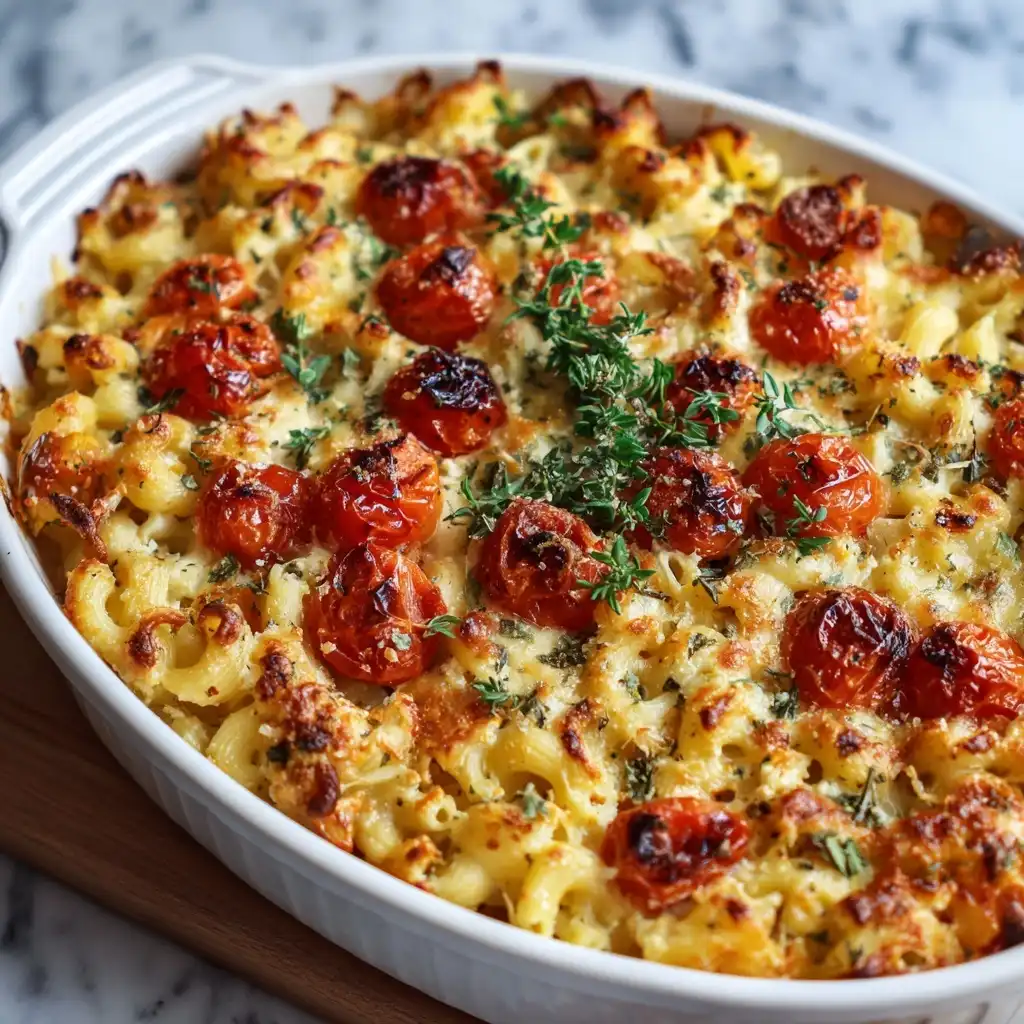
Baked Feta Pasta with Cherry Tomatoes is a globally beloved, restaurant-quality comfort dish that exploded onto social media—and dinner tables—around 2021, captivating home cooks with its stunning simplicity, vibrant colors, and deeply satisfying umami-rich flavor profile. At its core, this dish is a masterclass in minimalism: a handful of high-quality ingredients transform dramatically under gentle heat into a luxuriously creamy, tangy, sweet-and-savory baked pasta that requires no fancy techniques, no last-minute sauce whisking, and no culinary degree—just an oven, a baking dish, and a willingness to embrace delicious ease. Whether you’re feeding a busy family after work, hosting friends for a low-effort yet impressive dinner party, or treating yourself to a nourishing solo meal, this recipe delivers extraordinary taste and texture with remarkable accessibility. Its magic lies not in complexity but in thoughtful ingredient synergy and the transformative power of slow roasting—where tomatoes burst into jammy sweetness, feta softens into a luscious, salty cloud, and olive oil becomes fragrant, golden nectar that coats every strand of pasta.
The History
Though baked pasta dishes have ancient roots across Mediterranean and Middle Eastern cuisines, the specific iteration known today as “Baked Feta Pasta” traces its viral origin to Finnish food blogger Paper & Pencil (Terttu Rintala), who first published her version—“Feta Juosta” (“Feta Roast”)—in late 2019 on her Finnish-language blog. Her original concept featured feta cheese nestled atop cherry tomatoes, garlic, and herbs, roasted until tender, then tossed with pasta and fresh dill. It remained a quiet regional favorite until September 2020, when American TikTok user @bakerella (Jessica Velez) posted a video recreating the dish using readily available U.S. ingredients—including block feta, grape tomatoes, and dried oregano—sparking immediate fascination. Within weeks, #bakedfetapasta amassed over 1 billion views; by early 2021, it had become the #1 food trend on TikTok, Instagram, and Pinterest, inspiring countless remixes, pantry hacks, and even supermarket promotions (Kroger reported a 178% sales spike in feta cheese). Culinary historians note its resonance with broader trends toward “pantry cooking,” “lazy gourmandise,” and “oven-only meals”—a post-pandemic hunger for joyful, forgiving, visually gratifying food that celebrates whole ingredients without pretense. Today, it stands not just as a viral sensation but as a modern classic—a testament to how global digital communities can elevate humble ingredients into cultural touchstones.
Ingredients Breakdown
Every element in Baked Feta Pasta plays a distinct, irreplaceable role—no ingredient is filler. Understanding their function deepens both technique and appreciation:
- Feta Cheese (block, not crumbled): High-quality Greek feta (made from at least 70% sheep’s milk, brined for minimum 3 months) provides the essential saline tang, creamy-yet-firm texture, and structural integrity needed to hold shape during roasting. Its acidity cuts through richness, while its fat content emulsifies the sauce. Avoid pre-crumbled feta—it contains anti-caking agents that inhibit melting and yield graininess.
- Cherry or Grape Tomatoes: These small, thin-skinned varieties concentrate sweetness and acidity when roasted. Their high sugar-to-water ratio ensures caramelization—not sogginess—and their firm flesh holds up without disintegrating. Roma or beefsteak tomatoes lack the necessary balance and will release too much liquid.
- Extra-Virgin Olive Oil: Not just a fat—it’s the aromatic backbone. A robust, peppery EVOO (e.g., Greek Koroneiki or Spanish Picual) contributes polyphenols that enhance shelf life, lend fruitiness, and form the glossy, unctuous base of the sauce. Its smoke point is perfectly suited for the moderate oven temperature required.
- Garlic: Fresh, minced (not powdered) garlic offers pungent depth that mellows into nutty sweetness during roasting. Too much raw garlic overwhelms; roasting tempers its bite while amplifying its savory umami contribution.
- Dried Oregano (preferably Greek): Earthy, slightly minty, and floral, oregano complements feta’s saltiness and tomato’s brightness. Greek oregano has higher carvacrol content—giving it superior aroma and antimicrobial properties—making it more resilient to heat than milder Mexican or Turkish variants.
- Red Pepper Flakes (optional but recommended): A tiny amount adds nuanced warmth—not heat—that lifts the entire profile. Toasted flakes release capsaicin oils that bind to fats in the olive oil and feta, distributing spice evenly.
- Salt & Freshly Ground Black Pepper: Crucial for balancing acidity and enhancing natural sweetness. Use flaky sea salt (like Maldon) for finishing—it dissolves slowly, giving bursts of salinity.
- Pasta: Short, ridged shapes (like campanelle, fusilli, or casarecce) trap the thick, clingy sauce best. Avoid long pastas (spaghetti, linguine), which slide apart; or delicate shapes (orzo, acini di pepe), which overcook or disappear in the mix.
- Fresh Basil or Dill (for garnish): Added *after* baking to preserve volatile aromatic compounds (linalool, estragole) lost to heat. Basil lends sweet anise notes; dill offers grassy, citrusy freshness—both cut through richness and add textural contrast.
Step-by-Step Recipe
- Preheat & Prep: Position oven rack in center position. Preheat oven to 400°F (200°C). Lightly grease a 9×13-inch (or similarly sized) ceramic or glass baking dish with 1 tsp olive oil.
- Arrange Base Layer: In the prepared dish, evenly scatter 2 cups (300g) halved cherry tomatoes (cut side up), 4–5 thinly sliced garlic cloves, ½ tsp red pepper flakes, 1 tsp dried oregano, and a generous grind of black pepper. Drizzle with ¼ cup (60ml) extra-virgin olive oil. Gently toss with hands or a spoon to coat—do not crush tomatoes.
- Add Feta: Place a single 8-oz (225g) block of cold, dry feta cheese (patted with paper towel to remove excess brine) gently in the center of the tomato mixture. Do *not* submerge or cover it—let it sit proudly atop.
- Rosemary Optional Boost: Tuck 2–3 fresh rosemary sprigs around the feta block (remove before serving). Their piney terpenes infuse the oil beautifully.
- Roast: Transfer dish to preheated oven. Bake uncovered for 35–40 minutes, rotating halfway, until tomatoes are deeply blistered, shrunken, and jammy at edges; feta is puffed, golden at corners, and soft to gentle pressure (like softened butter), and oil is shimmering and lightly golden. Avoid over-browning—the feta should never brown or dry out.
- Cool Slightly & Crumble: Remove from oven. Let rest 5 minutes—this allows residual heat to finish softening the feta and lets flavors meld. Using a fork, gently break the feta into large, irregular crumbles *directly in the dish*, leaving some larger chunks for texture.
- Prepare Pasta: While feta roasts, cook 12 oz (340g) pasta in generously salted boiling water until *al dente* (1–2 minutes shy of package time). Reserve 1 cup (240ml) starchy pasta water before draining.
- Combine & Emulsify: Carefully pour hot, drained pasta directly into the baking dish with roasted tomatoes and feta. Add ½ cup reserved pasta water. Using tongs or a large silicone spatula, fold gently but thoroughly for 90 seconds—scraping bottom and sides—to create a cohesive, glossy, velvety sauce. The starch + heat + fat + acid creates instant emulsion. Add more pasta water (1 tbsp at a time) if too thick.
- Season & Finish: Taste and adjust: add flaky sea salt only if needed (feta is salty!), a squeeze of lemon juice (½ tsp) to brighten, and freshly ground black pepper. Fold in ¼ cup torn fresh basil or dill.
- Serve Immediately: Divide into warm bowls. Garnish with extra feta crumbles, micro basil, a drizzle of high-quality olive oil, and a final crack of black pepper. Serve with crusty bread for scooping.
Tips
- Dry Your Feta: Excess brine = watery sauce. Always pat feta block thoroughly with paper towels before baking—this encourages caramelization, not steaming.
- Tomato Consistency Matters: Use tomatoes at peak ripeness—slightly soft but not mushy. Overripe ones burst too early and release excess liquid; underripe ones stay tart and hard.
- No Crowding the Dish: Use a dish large enough so tomatoes form a single layer. Overcrowding causes steaming instead of roasting—leading to bland, soggy results.
- Resist Stirring Mid-Roast: Opening the oven door drops temperature drastically and risks breaking the feta. Trust the process—visual cues (blistering, oil shimmer) tell you all you need.
- Pasta Water Is Non-Negotiable: That starchy liquid is your sauce’s binder and silkifier. Never skip reserving it—and always add it *hot* to the hot dish for optimal emulsification.
- Undercook Pasta Intentionally: Pasta continues cooking from residual heat when mixed with hot tomatoes/feta. If cooked to full doneness, it becomes gummy within minutes.
- Emulsify With Patience: Folding for a full 90 seconds builds viscosity. Rushing yields a broken, oily sauce. Use a gentle folding motion—not vigorous stirring—to preserve feta texture.
- Acid Is the Secret Balancer: A tiny splash of lemon juice or white wine vinegar added *after* baking lifts the entire dish, cutting richness and making flavors pop. Don’t skip this step!
- Rest Before Serving: Letting the dish sit 3–5 minutes after combining allows starches to fully hydrate and sauce to thicken to ideal clinginess.
- Reheating Hack: To reheat leftovers, add 1–2 tbsp water or broth and microwave in 30-second bursts, stirring between, until warmed through. Avoid overheating—feta can seize and turn grainy.
Variations and Customizations
This recipe is gloriously adaptable—here’s how to personalize it without compromising its soul:
- Protein-Powered: Add 1 cup cooked chickpeas (roasted with tomatoes for crunch), shredded rotisserie chicken (tossed in at the end), or pan-seared shrimp (added in last 2 minutes of baking).
- Veggie-Forward: Roast alongside: 1 cup diced zucchini (salted & drained first), ½ cup sliced red onion (tossed with tomatoes), or 1 cup baby spinach (stirred in off-heat).
- Herb Swaps: Try thyme (earthy, floral), marjoram (sweeter, milder oregano), or mint (bright, cooling—especially lovely with lamb additions).
- Cheese Alternatives: For lactose sensitivity: try aged goat cheese (creamy, less tangy) or halloumi (grilled separately, then cubed). Vegan option: marinated baked tofu cubes + 2 tbsp nutritional yeast + 1 tsp lemon zest.
- Grain Bowls: Swap pasta for 3 cups cooked farro, freekeh, or quinoa. Reduce roasting time by 5 minutes (grains absorb moisture differently).
- Breakfast Twist: Serve warm over poached eggs, topped with avocado slices and everything bagel seasoning.
- Spice Infusions: Add ½ tsp smoked paprika to oil before roasting, or stir in 1 tsp harissa paste when combining pasta.
- Umami Bomb: Stir in 1 tbsp white miso paste (dissolved in 1 tbsp hot pasta water) at the end for deep savoriness without fishiness.
- Low-Carb/Keto: Replace pasta with roasted spaghetti squash ribbons or shirataki noodles (rinsed & pan-dried first).
- Gourmet Upgrade: Finish with toasted pine nuts, edible flowers (nasturtiums, pansies), or a drizzle of balsamic glaze (reduced balsamic vinegar + honey).
Health Considerations and Nutritional Value
A 1-serving portion (approx. 1.5 cups cooked) delivers approximately 520–580 calories, with a well-balanced macronutrient profile and notable micronutrients—though mindful customization enhances its wellness quotient:
- Heart-Healthy Fats: Extra-virgin olive oil supplies monounsaturated fats (oleic acid) and potent antioxidants (oleocanthal, hydroxytyrosol) linked to reduced LDL cholesterol and inflammation.
- Calcium & Protein: Feta provides ~140mg calcium and 6g high-quality protein per 1-oz serving—supporting bone health and satiety. Opt for sheep’s-milk feta for superior digestibility and higher conjugated linoleic acid (CLA).
- Lycopene Powerhouse: Roasting tomatoes increases bioavailability of lycopene—a powerful antioxidant associated with reduced risk of heart disease and certain cancers—by up to 35% versus raw.
- Low Added Sugar: Naturally occurring sugars only (from tomatoes)—zero refined sugar. Ideal for low-glycemic diets when paired with whole-grain or legume-based pasta.
- Fiber-Friendly: Whole-wheat or lentil pasta boosts fiber to 8–10g/serving, supporting gut health and blood sugar regulation.
- Sodium Awareness: Feta and olives are naturally high in sodium (~320mg per oz). Reduce salt elsewhere—skip added salt, use low-sodium tomato products (if adding), and rinse feta briefly in cool water before baking to shed 15–20% surface salt.
- Gluten Considerations: Easily made gluten-free using certified GF pasta (brown rice, quinoa, or corn-based). Ensure oats in toppings (if used) are GF-certified.
- Dairy Sensitivity Tip: For casein intolerance, choose lactose-free feta (aged >60 days naturally loses lactose) or explore cashew-based “feta” alternatives fermented with probiotics.
- Portion Mindfulness: While nutrient-dense, calorie density is moderate-high due to olive oil and cheese. Pair with a large side salad (arugula, cucumber, lemon vinaigrette) to increase volume and fiber without significant caloric addition.
- Anti-Inflammatory Focus: Maximize benefits by choosing organic tomatoes (higher polyphenol content), cold-pressed EVOO, and adding turmeric (¼ tsp) with black pepper to the oil before roasting.
Ingredients
- 2 cups (300g) cherry or grape tomatoes, halved
- 4–5 garlic cloves, thinly sliced
- ¼ cup (60ml) high-quality extra-virgin olive oil (plus extra for drizzling)
- 1 tsp dried oregano (preferably Greek)
- ½ tsp red pepper flakes (adjust to taste)
- Freshly ground black pepper (about 10 turns of the mill)
- 1 (8-oz / 225g) block high-quality Greek feta cheese, cold and patted very dry
- 12 oz (340g) short, ridged pasta (campanelle, fusilli, or casarecce recommended)
- 1 tbsp flaky sea salt (for pasta water—do not add to dish unless tasting reveals need)
- ¼ cup fresh basil leaves, torn (or 2 tbsp fresh dill fronds)
- ½ tsp fresh lemon juice (optional but highly recommended)
- Additional flaky sea salt and black pepper for finishing
Directions
- Preheat oven to 400°F (200°C). Lightly grease a 9×13-inch baking dish with 1 tsp olive oil.
- In the dish, combine halved tomatoes, sliced garlic, red pepper flakes, dried oregano, and several generous grinds of black pepper. Drizzle with ¼ cup olive oil and gently toss to coat.
- Place the dry feta block in the center of the tomato mixture. Do not cover or submerge.
- Bake uncovered for 35–40 minutes, until tomatoes are blistered and jammy, feta is puffed and golden at edges, and oil is shimmering.
- Remove from oven. Let rest 5 minutes. Gently crumble feta with a fork, leaving some larger pieces.
- Meanwhile, bring 4 quarts water to boil. Add 1 tbsp salt. Cook pasta until al dente (1–2 minutes less than package directions). Reserve 1 cup pasta water, then drain.
- Immediately pour hot pasta into baking dish. Add ½ cup reserved pasta water. Fold gently but thoroughly for 90 seconds until sauce is creamy and coats pasta.
- Taste and adjust: add lemon juice, more pasta water if needed, and fresh herbs. Fold to combine.
- Serve warm in bowls, garnished with extra basil/dill, a drizzle of olive oil, flaky salt, and black pepper.
FAQ
- Can I use crumbled feta?
- No—crumbled feta contains anti-caking starches and lacks the structural integrity to roast properly. It will dissolve into salty grit rather than transform into creamy richness. Always use a solid block.
- Why does my sauce look oily or broken?
- This usually occurs from insufficient pasta water, under-folding, or adding cold pasta to hot dish. Ensure pasta is piping hot, use starchy water, and fold continuously for full 90 seconds to emulsify.
- Can I make this ahead?
- You can roast the tomatoes and feta up to 2 days ahead and refrigerate covered. Reheat gently in oven (325°F for 15 min), then toss with freshly cooked pasta. Do not assemble fully ahead—the pasta will absorb all sauce and become gummy.
- Is there a dairy-free version that tastes authentic?
- Yes—marinate 1 cup extra-firm tofu cubes in 2 tbsp lemon juice, 1 tbsp olive oil, 1 tsp nutritional yeast, ¼ tsp garlic powder, and ¼ tsp salt for 30 min. Roast at 400°F for 25 min until golden, then proceed as directed. The umami depth closely mimics feta.
- What’s the best pasta water temperature for emulsification?
- It must be hot—ideally straight from the pot. Cold water shocks the starch and prevents binding, leading to separation.
- Can I freeze leftovers?
- Not recommended—feta and olive oil separate upon thawing, yielding a grainy, oily texture. Best enjoyed fresh or refrigerated up to 3 days.
- Why do some recipes add cream or butter?
- These are shortcuts that mask imbalances (e.g., under-roasted tomatoes, poor feta quality). Authentic versions rely solely on the natural emulsion of starch, fat, acid, and heat—no dairy additions needed.
- How do I prevent garlic from burning?
- Thin slicing + embedding in tomatoes + olive oil coating protects garlic. If edges darken slightly, it’s fine—they’ll be sweet and nutty. Avoid minced garlic, which burns easily.
- Can I use canned tomatoes?
- No—canned tomatoes contain excess liquid and lack the concentrated sugars needed for caramelization. They’ll steam the dish and dilute flavor. Stick to fresh cherry/grape tomatoes.
- Is this dish suitable for meal prep?
- Yes—with caveats: Roast tomatoes/feta and cook pasta separately. Store chilled in airtight containers (up to 4 days). Reheat components separately, then combine with hot pasta water and fold vigorously to re-emulsify.
Summary
Baked Feta Pasta with Cherry Tomatoes is a deceptively simple, oven-baked marvel where premium feta, blistered sweet-tart tomatoes, aromatic garlic, and vibrant herbs unite with starchy pasta water to create a luxuriously creamy, tangy, and deeply comforting sauce—all with zero stove-top sauce-making or whisking required.
Born from Finnish home kitchens and catapulted to global fame via social media, it endures not as a trend but as a timeless, adaptable, pantry-friendly staple—celebrating the transformative magic of roasting, the elegance of restraint, and the profound satisfaction of food that feels both indulgent and inherently nourishing.