Introduction
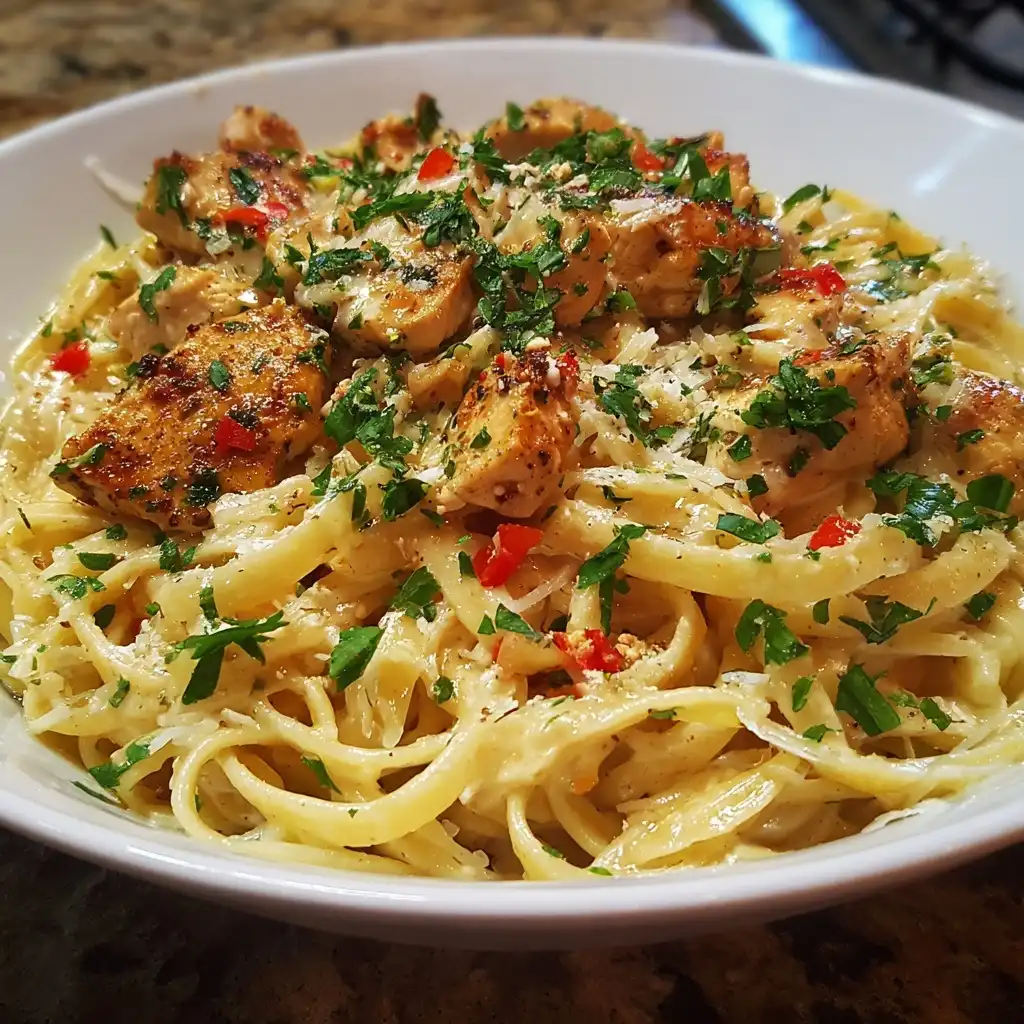
Creamy Cajun Chicken Pasta is a vibrant, bold, and deeply satisfying one-pan wonder that marries the fiery, aromatic soul of Louisiana cuisine with the comforting richness of Italian-inspired pasta dishes. This dish bursts with layers of flavor—smoky paprika, pungent garlic, earthy thyme, and a subtle heat from cayenne—balanced perfectly by a luxuriously smooth, velvety cream sauce that clings beautifully to tender seared chicken and al dente pasta. Whether you’re feeding a busy weeknight family dinner, impressing guests at a casual gathering, or simply craving something hearty yet refined, this recipe delivers restaurant-quality depth and complexity without requiring professional techniques or hard-to-find ingredients. Its adaptability, speed (ready in under 30 minutes), and crowd-pleasing balance of spice, creaminess, and savory umami make it a true modern classic—and arguably one of the most beloved fusion pasta dishes of the past decade.
The History
The origins of Creamy Cajun Chicken Pasta lie not in a single historic kitchen but in the dynamic evolution of American regional cooking and the rise of accessible global fusion in home kitchens during the late 20th and early 21st centuries. While “Cajun” cuisine itself traces back to the Acadian exiles who settled in rural south Louisiana in the 18th century—developing a rustic, one-pot, “make-do” culinary tradition centered around the “holy trinity” (onions, bell peppers, celery), smoked meats, and bold seasonings—the modern “Cajun seasoning” blend was popularized commercially in the 1950s by brands like Tony Chachere’s and Slap Ya Mama. These pre-mixed blends—though distinct from traditional Cajun home seasoning (which varied by family and often emphasized black pepper over cayenne)—catapulted the flavor profile into national consciousness.
Meanwhile, creamy pasta dishes surged in popularity across the U.S. in the 1980s and ’90s, inspired by fettuccine Alfredo’s Hollywood fame and the growing availability of heavy cream, Parmesan, and quality dried pasta. The convergence of these two trends—Cajun spice and Italian-American creaminess—gained traction in the early 2000s through food magazines, cable cooking shows, and later, food blogs and YouTube. Early versions appeared as “Cajun Chicken Fettuccine” or “Blackened Chicken Pasta,” often featuring grilled or blackened chicken atop pasta with a simple cream-and-cheese sauce. Over time, home cooks refined the technique: deglazing the chicken pan, building layered aromatics, using roux-free emulsified sauces, and balancing heat with dairy richness. Today, Creamy Cajun Chicken Pasta stands as a testament to culinary democratization—a globally inspired, pantry-friendly, weeknight-hero dish rooted in cultural heritage yet endlessly reinvented across millions of kitchens.
Ingredients Breakdown
Understanding each component—not just as a list, but as a functional, flavor-building element—is key to mastering this dish. Below is an in-depth breakdown of why each ingredient matters, how it contributes to texture, aroma, mouthfeel, and balance—and what substitutions truly work (and which ones compromise integrity):
- Cajun Seasoning (Homemade or High-Quality Store-Bought): The heart and soul. Authentic blends contain smoked paprika (for depth and color), garlic powder and onion powder (umami foundation), dried oregano and thyme (earthy herbal lift), white and black pepper (complex heat), cayenne (controlled fire), and sometimes mustard powder (tangy nuance). Avoid blends loaded with salt, MSG, or anti-caking agents—these mute flavor and create uneven seasoning. Homemade versions let you calibrate heat and adjust for low-sodium needs.
- Boneless, Skinless Chicken Breasts or Thighs: Breasts offer lean, clean protein and quick cook time—but can dry out if overcooked. Thighs are more forgiving, richer in collagen (yielding succulence), and carry fat that enhances sauce body and flavor absorption. For best results, use uniform 6–8 oz pieces, pounded to ½-inch thickness for even searing and rapid cooking.
- Pasta (Fusilli, Penne, or Campanelle): Short, ridged, or twisted shapes are ideal—they trap creamy sauce in grooves and nooks. Fusilli’s spirals hold onto herb-flecked cream; penne’s tubes capture bits of chicken and seasoning; campanelle’s ruffled edges offer textural contrast. Avoid long pastas like spaghetti unless cut short—they don’t cling as effectively. Always salt the pasta water generously (like seawater) to season from within.
- Heavy Cream (Not Half-and-Half or Evaporated Milk): Essential for unctuous body, stable emulsion, and heat resistance. Its 36–40% milkfat prevents curdling when simmered with acidic elements (like lemon juice or tomatoes, if added) and creates the signature luscious mouth-coating texture. Lower-fat alternatives separate, thin out, or impart a chalky aftertaste.
- Full-Fat Cream Cheese (Block, Not Spreadable): Adds tang, viscosity, and a subtle richness that bridges the gap between dairy and spice. Block cream cheese melts smoothly when warmed and whisked—it provides body without heaviness and helps stabilize the sauce so it coats rather than pools. Spreadable versions contain stabilizers and extra water, leading to graininess or oil separation.
- Grated Parmesan (Freshly Grated): Not pre-grated! Freshly grated Parmigiano-Reggiano adds salty, nutty, crystalline depth and natural enzymes that enhance umami. Pre-shredded cheeses contain cellulose (anti-clumping agent) that impedes melting and yields a greasy, inconsistent sauce.
- Aromatics: Yellow Onion, Garlic, Red Bell Pepper: The “holy trinity plus one”—onion and bell pepper provide sweetness and crunch; garlic delivers pungent backbone. Sautéed slowly in butter or oil until softened (not browned), they form the aromatic base that carries the Cajun spices forward. Shallots may substitute for part of the onion for extra finesse.
- Dry White Wine (Optional but Highly Recommended): A ¼ cup of crisp, high-acid wine (Sauvignon Blanc, Pinot Grigio, or unoaked Chardonnay) deglazes the fond, lifts roasted chicken flavors, brightens the sauce, and cuts through richness. Alcohol fully cooks off, leaving only aromatic complexity. Substitute with low-sodium chicken broth + 1 tsp lemon juice if avoiding alcohol.
- Fresh Herbs & Acid Finish: Chopped Parsley, Lemon Zest, and a Squeeze of Lemon Juice: Added off-heat, these elevate the entire dish—parsley offers grassy freshness, lemon zest imparts citrus oils for brightness, and lemon juice balances fat and heat with clean acidity. Never skip this step; it’s the “lift” that transforms rich into radiant.
Step-by-Step Recipe
- Prep & Season: Pat chicken breasts or thighs *very* dry with paper towels—this ensures a golden sear, not steam. Cut into 1-inch cubes or thin strips. In a bowl, toss chicken with 2 tbsp Cajun seasoning (adjust for heat preference), 1 tsp smoked paprika (for extra depth), and 1 tbsp neutral oil (avocado or grapeseed). Let sit 10 minutes while you prep aromatics.
- Cook Pasta Al Dente: Bring 5–6 quarts well-salted water to a rolling boil. Add pasta and cook 1–2 minutes *less* than package instructions (e.g., 9 min for 11-min pasta). Reserve 1 cup of starchy pasta water before draining—this liquid is liquid gold for adjusting sauce consistency and binding ingredients.
- Sear Chicken to Perfection: Heat a large, heavy-bottomed skillet (12-inch stainless steel or enameled cast iron preferred) over medium-high heat. Add 1 tbsp oil. Once shimmering, add chicken in a single layer—do not overcrowd. Sear undisturbed 2–3 minutes until deeply golden and release easily. Flip and cook 2 more minutes until just cooked through (165°F internal). Transfer to a clean plate and tent loosely with foil.
- Sauté Aromatics: Reduce heat to medium. In same skillet, add 1 tbsp butter or oil. Add 1 finely diced yellow onion and 1 diced red bell pepper. Sauté 4–5 minutes until softened and translucent. Stir in 4 minced garlic cloves and cook 45 seconds until fragrant—do not brown.
- Bloom Spices & Deglaze: Sprinkle in remaining 1 tsp Cajun seasoning and ½ tsp dried thyme. Stir constantly 30 seconds to toast spices and release essential oils. Pour in ¼ cup dry white wine (or broth + lemon juice). Scrape vigorously with a wooden spoon to lift all browned bits (fond)—this is where deep flavor lives.
- Build the Cream Sauce: Reduce heat to low. Whisk in 1 cup cold heavy cream, then 4 oz full-fat cream cheese (cut into small cubes). Whisk continuously as mixture warms—cream cheese will melt gradually. Simmer gently (do not boil rapidly) 3–4 minutes until thickened slightly and coats the back of a spoon.
- Combine & Emulsify: Return chicken (with any accumulated juices) to skillet. Add drained pasta. Gently fold with tongs or a silicone spatula. Gradually add reserved pasta water, 2 tbsp at a time, until sauce reaches silky, cohesive consistency—enough to coat every strand but not pool. Simmer 1–2 minutes to meld flavors.
- Finish with Brightness: Remove from heat. Stir in ½ cup freshly grated Parmesan, 2 tbsp chopped fresh flat-leaf parsley, 1 tsp lemon zest, and 1 tbsp fresh lemon juice. Taste and adjust: more salt? A pinch of cayenne? A splash of cream? Let rest 2 minutes before serving—this allows starches to swell and sauce to tighten.
Tips
- Temperature Control Is Non-Negotiable: High heat for searing chicken, medium for sautéing aromatics, low for sauce building. Rushing the sauce over high heat causes cream to break or cream cheese to seize into rubbery clumps.
- Reserve That Pasta Water—Seriously: The starch acts as a natural thickener and binder. If your sauce looks too thick mid-fold, add pasta water—not plain water—to maintain flavor and texture integrity.
- Don’t Skip the Rest: Letting the finished dish sit off-heat for 2 minutes allows residual heat to gently cook the Parmesan and acid components, while starches hydrate fully—resulting in a glossier, more unified sauce.
- Toast Your Spices: Blooming Cajun seasoning in fat for 30 seconds unlocks volatile oils, transforming flat, dusty notes into warm, complex fragrance—this tiny step makes a dramatic difference.
- Use Cold Cream & Cream Cheese: Adding cold dairy to a hot pan prevents overheating and shock-seizing. Let cream cheese soften slightly at room temp (5–10 min), but keep it cool—not melted.
- Prevent Overcooking Chicken: Use a meat thermometer. Chicken is safe at 165°F—but pulling it at 160°F and letting it rest under foil carries residual heat to finish cooking, yielding juicier results.
- Layer Heat Thoughtfully: If you love heat but dislike “burnt tongue” sensation, add cayenne *after* the sauce is built—this preserves its bright, floral capsaicin notes instead of dulling them in prolonged heat.
- Make-Ahead Friendly: Cook chicken and aromatics ahead; refrigerate separately up to 3 days. Reheat gently before combining with freshly cooked pasta and finishing steps—this prevents mushiness and flavor fatigue.
Variations and Customizations
This recipe is gloriously adaptable—whether you’re accommodating dietary needs, seasonal produce, pantry constraints, or personal taste preferences. Here’s how to thoughtfully customize without compromising integrity:
- Dietary Adaptations:
- Gluten-Free: Use certified GF pasta (brown rice, quinoa, or lentil-based). Ensure Cajun seasoning is GF-certified (many contain wheat-based fillers).
- Dairy-Free: Swap heavy cream for full-fat coconut milk (lighter flavor, slight sweetness), cream cheese for soaked cashew cream (blend ½ cup raw cashews + ¼ cup water until silky), and Parmesan for nutritional yeast + miso paste (1 tbsp yeast + ½ tsp white miso per ¼ cup “cheese”). Note: flavor shifts toward earthy/fermented, not salty/nutty.
- Lower-Carb/Keto: Replace pasta with spiralized zucchini (“zoodles”), shirataki noodles, or roasted cauliflower florets. Sauté zoodles separately at the end to avoid excess water. Increase healthy fats—add avocado slices or toasted pecans.
- Vegetarian/Vegan: Substitute chicken with crispy smoked tofu, tempeh cubes, or king oyster mushrooms sliced thick and seared until caramelized. Boost umami with 1 tsp soy sauce or tamari in the sauce.
- Protein Swaps:
- Shrimp: Add peeled, deveined large shrimp in the last 2–3 minutes of sauce simmering—cook just until pink and curled. Reduce Cajun seasoning slightly (shrimp absorbs spice quickly).
- Andouille Sausage: Slice and pan-sear until crisp. Use rendered fat to sauté aromatics—adds smoky, porky depth. Reduce added oil accordingly.
- Leftover Rotisserie Chicken: Shred and stir in at the end—no searing needed. Boost flavor with extra smoked paprika and a splash of chicken jus.
- Vegetable Add-Ins (Sautéed or Roasted):
- Classic Trinity Plus: Add diced celery with onions and peppers for authentic Cajun grounding.
- Spring Vegetables: Peas, asparagus tips, or baby spinach stirred in at the end for freshness and color.
- Roasted Depth: Toss cherry tomatoes, zucchini, or sweet potatoes with olive oil and Cajun seasoning, roast at 425°F for 20–25 minutes, then fold in.
- Greens Boost: Stir in 2 cups chopped kale or Swiss chard with the pasta—its bitterness balances richness beautifully.
- Sauce Twists:
- Lemon-Dill: Replace parsley with fresh dill and double lemon zest/juice for a brighter, Mediterranean-leaning version.
- Smoky Chipotle: Add 1 minced chipotle in adobo + ½ tsp adobo sauce for deep, fruity heat.
- Creamy Tomato-Cajun: Stir in ¼ cup tomato paste with aromatics, then ½ cup crushed San Marzano tomatoes for tangy-sweet complexity.
- Herb-Forward: Fold in 1 tbsp each chopped basil, chives, and tarragon at the end for garden-fresh elegance.
- Heat Level Adjustments:
- Mild: Omit cayenne; use sweet paprika + extra garlic/onion powder. Serve with pickled jalapeños on the side.
- Medium: Keep standard blend; add ¼ tsp cayenne at finish for controllable heat.
- Firehouse: Double cayenne, add ½ tsp ground habanero, or finish with a drizzle of ghost pepper oil.
Health Considerations and Nutritional Value
Creamy Cajun Chicken Pasta sits at an intersection of indulgence and nutrition—when prepared mindfully, it delivers balanced macronutrients, functional micronutrients, and satiety-driven satisfaction. Below is a detailed, evidence-informed analysis based on a standard 6-serving recipe (using chicken breast, whole wheat penne, full-fat dairy, and moderate seasoning):
- Macronutrient Profile (Per Serving ~1.5 cups):
- Calories: ~580–650 kcal — substantial enough for active adults or as a primary meal, yet adjustable downward with portion control or lighter dairy swaps.
- Protein: ~38–42g — high-quality complete protein from chicken supports muscle maintenance, satiety, and metabolic health. Pairing with whole-grain pasta adds plant-based amino acids.
- Carbohydrates: ~52–60g — primarily complex carbs from pasta (fiber-rich if using whole grain, legume-based, or lentil pasta). Starchy pasta water contributes resistant starch upon cooling, beneficial for gut microbiota.
- Fat: ~24–28g — predominantly unsaturated (from olive oil, herbs) and saturated (from dairy). Heavy cream contains conjugated linoleic acid (CLA), studied for potential anti-inflammatory and metabolic benefits. Moderation is key—opting for full-fat dairy improves nutrient absorption (fat-soluble vitamins A, D, K, E) and reduces ultra-processed low-fat alternatives laden with gums and sugars.
- Vitamins & Minerals Spotlight:
- Vitamin A & C: From red bell peppers (rich in beta-carotene and antioxidants), supporting immune function and skin health.
- B Vitamins (B6, B12, Niacin): Abundant in chicken—critical for energy metabolism, nervous system function, and red blood cell formation.
- Calcium & Phosphorus: From Parmesan and cream cheese—essential for bone density, especially when paired with vitamin D (found in egg yolks or fortified dairy, if used).
- Potassium & Magnesium: Present in tomatoes (if added), spinach, or whole grains—support electrolyte balance and cardiovascular regulation.
- Functional Ingredients & Bioactives:
- Garlic & Onions: Contain allicin and quercetin—compounds with documented antimicrobial, antiplatelet, and anti-inflammatory properties.
- Smoked Paprika: Rich in capsanthin (a carotenoid antioxidant) and vitamin E—linked to reduced oxidative stress.
- Lemon Juice & Zest: Provide vitamin C to enhance non-heme iron absorption (from whole grains) and support collagen synthesis.
- Fresh Herbs (Parsley): Packed with apigenin and luteolin—flavonoids under study for neuroprotective and anticancer effects.
- Dietary Considerations & Modifications:
- Sodium Management: Store-bought Cajun blends can exceed 300mg sodium per tsp. Make your own with no-salt seasoning, or rinse canned ingredients thoroughly. Use low-sodium broth if substituting wine.
- Heart Health: Replace half the cream with evaporated skim milk + 1 tbsp cornstarch slurry for reduced saturated fat without sacrificing texture. Add 2 tbsp chopped walnuts for omega-3s.
- Gut Health: Incorporate fermented sides (kimchi, sauerkraut) or serve with a side salad dressed in apple cider vinegar—both support microbiome diversity.
- Diabetes-Friendly: Prioritize high-fiber pasta (chickpea, lentil), increase non-starchy vegetables to 50% of volume, and pair with a leafy green salad to slow glucose response.
- What to Mindfully Limit:
- Avoid excessive added sugars (some pre-made sauces or seasoning blends contain hidden sugar).
- Minimize ultra-processed ingredients—opt for block cheese, real cream, and whole spices over powdered or canned analogues.
- Balance frequency: Enjoy 1–2x weekly as part of a varied diet—not daily—especially if managing cholesterol or weight.
Ultimately, this dish exemplifies the “health-supportive indulgence” principle: nutrient-dense whole foods, thoughtful preparation, and pleasure-driven eating—all essential pillars of sustainable wellness.
Ingredients
- 1.5 lbs boneless, skinless chicken breasts or thighs, cut into 1-inch pieces
- 3 tbsp high-quality Cajun seasoning (homemade recommended—see below), divided
- 2 tbsp neutral oil (avocado, grapeseed, or light olive oil)
- 12 oz short-cut pasta (fusilli, penne, campanelle, or rigatoni)
- 1 medium yellow onion, finely diced
- 1 large red bell pepper, finely diced
- 4 large garlic cloves, finely minced
- 1 tbsp unsalted butter (or additional oil for dairy-free)
- ¼ cup dry white wine (Sauvignon Blanc or Pinot Grigio) — optional but recommended
- 1 cup cold heavy cream (36–40% fat)
- 4 oz full-fat block cream cheese, cut into ½-inch cubes
- ½ cup freshly grated Parmesan cheese (Parmigiano-Reggiano preferred)
- 2 tbsp fresh flat-leaf parsley, finely chopped
- 1 tsp lemon zest (from 1 organic lemon)
- 1 tbsp fresh lemon juice (from same lemon)
- Kosher salt and freshly ground black pepper, to taste
- Red pepper flakes, for garnish (optional)
Homemade Cajun Seasoning (Yields ~½ cup):
¼ cup smoked paprika
2 tbsp garlic powder
2 tbsp onion powder
1 tbsp dried oregano
1 tbsp dried thyme
1 tbsp freshly ground black pepper
1 tbsp white pepper
1 tbsp cayenne pepper (adjust to heat preference)
2 tsp mustard powder
1 tsp celery seed (optional, for authenticity)
Combine all in a jar; shake well. Store airtight for up to 6 months.
Directions
- Prep Chicken: Place chicken pieces in a large bowl. Add 2 tbsp Cajun seasoning and 1 tbsp oil. Toss thoroughly to coat evenly. Let marinate at room temperature for 10 minutes while you prep other ingredients.
- Cook Pasta: Bring a large pot of water to a vigorous boil. Add 2 tbsp kosher salt. Add pasta and cook, stirring occasionally, until 1–2 minutes shy of al dente (check package timing). Before draining, carefully scoop out and reserve 1 cup of starchy pasta water. Drain pasta in a colander—do not rinse.
- Sear Chicken: Heat a large 12-inch skillet (stainless steel or enameled cast iron) over medium-high heat. Add remaining 1 tbsp oil. When oil shimmers, add chicken in a single layer—do not crowd. Sear 2–3 minutes per side until deeply golden brown and cooked through (165°F internal). Transfer to a clean plate; tent with foil.
- Sauté Aromatics: Reduce heat to medium. In same skillet, add butter (or oil). Add diced onion and bell pepper. Sauté 4–5 minutes until soft and translucent. Stir in minced garlic; cook 45 seconds until fragrant.
- Bloom Spices & Deglaze: Sprinkle remaining 1 tbsp Cajun seasoning and ½ tsp dried thyme over vegetables. Stir constantly 30 seconds. Pour in wine (or broth + lemon juice). Scrape bottom vigorously to lift all browned bits. Simmer 1 minute until liquid reduces by half.
- Build Cream Sauce: Reduce heat to low. Whisk in cold heavy cream. Add cream cheese cubes one at a time, whisking continuously until fully melted and smooth (2–3 minutes). Simmer gently—do not boil—until sauce thickens slightly and coats spoon (3–4 min).
- Combine & Finish: Return chicken (with juices) to skillet. Add drained pasta. Gently fold with tongs. Gradually add reserved pasta water, 2 tbsp at a time, until sauce is luxuriously creamy and clings to pasta. Stir in Parmesan, parsley, lemon zest, and lemon juice. Taste and adjust seasoning—add salt, black pepper, or a pinch of cayenne if desired.
- Rest & Serve: Remove from heat. Let stand 2 minutes. Serve immediately in warmed bowls, garnished with extra parsley, lemon zest, grated Parmesan, and red pepper flakes if using.
FAQ
- Can I make this ahead of time?
- Absolutely—but with smart staging. Cook chicken and sauce base up to 3 days ahead; store separately in airtight containers in the fridge. Reheat sauce gently over low heat, adding a splash of cream or broth to loosen. Cook fresh pasta, drain, and combine just before serving. Avoid storing fully assembled dish—it becomes gummy and sauce separates upon reheating.
- Why does my sauce break or look greasy?
- Three main culprits: (1) Boiling the cream too vigorously—always simmer gently; (2) Adding cold cream cheese to hot liquid without whisking—add in small cubes while whisking constantly; (3) Using low-fat dairy