Introduction
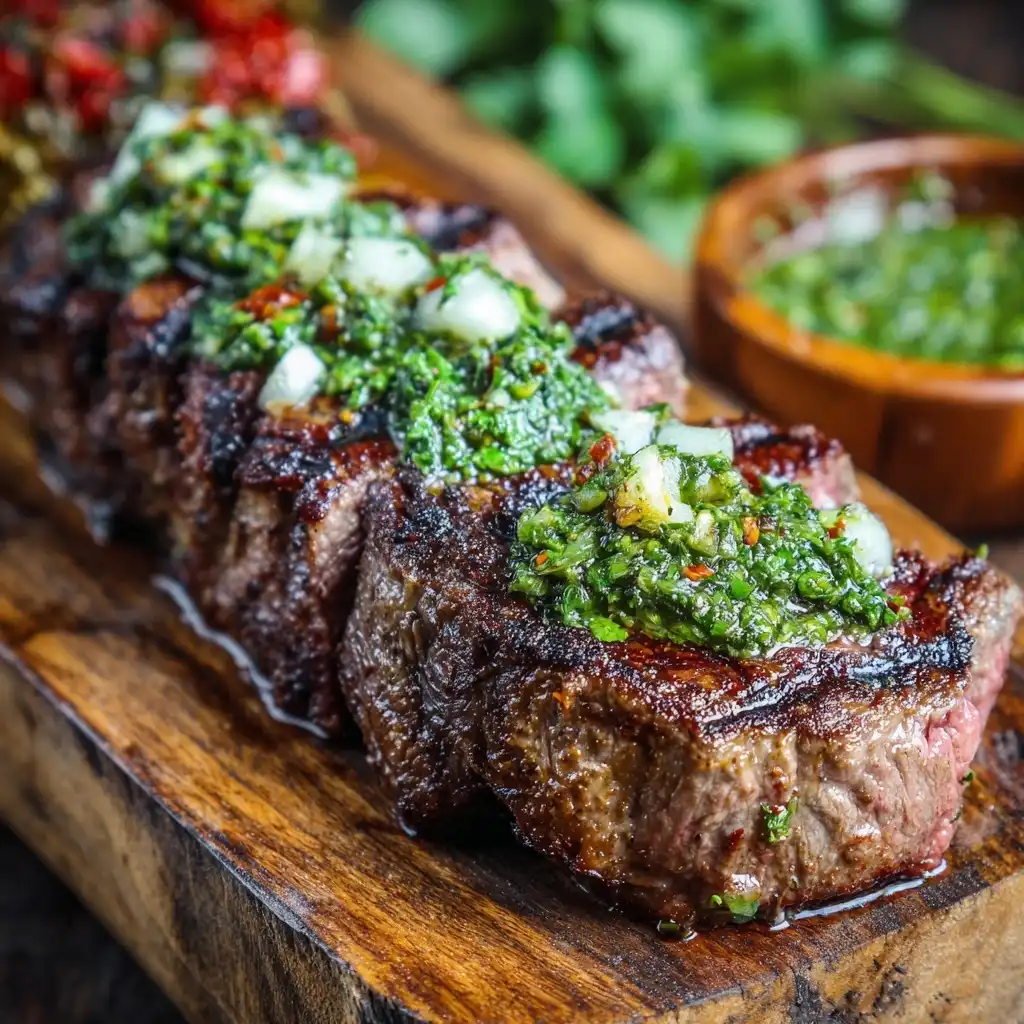
Grilled Chimichurri Steak is a vibrant, bold, and deeply flavorful Argentine-inspired dish that marries the rich, savory depth of perfectly grilled beef with the bright, herbaceous zing of fresh chimichurri sauce. More than just a recipe, it’s a celebration of simplicity, quality ingredients, and open-fire cooking tradition — where minimal seasoning on the steak allows the natural umami to shine, while the chimichurri delivers an electrifying counterpoint of acidity, freshness, and aromatic complexity. Whether served at a backyard barbecue, a sophisticated dinner party, or as a weeknight centerpiece with intentional flair, this dish embodies the soulful intersection of South American culinary heritage and modern, health-conscious grilling.
The History
Chimichurri’s origins are steeped in folklore and regional pride, most commonly traced to 19th-century Argentina and Uruguay, where gauchos (cowboy-like cattle herders) needed a robust, shelf-stable condiment to accompany their grilled meats over open flames. One popular legend attributes its name to an English immigrant named “Jimmy” who attempted to make parsley sauce — locals phonetically dubbed it “chimichurri.” Another theory suggests Basque or Portuguese linguistic roots (“tximitxurri,” meaning “a mixture of everything”). Regardless of etymology, chimichurri evolved as a rustic, uncooked sauce made from finely chopped flat-leaf parsley, garlic, vinegar, oil, oregano, and red pepper flakes — designed not only to enhance flavor but also to tenderize and preserve meat before refrigeration existed. As Argentine beef culture flourished — especially with the rise of the asado (traditional wood-fired grill), chimichurri became inseparable from grilled steak. Its popularity surged globally in the late 20th and early 21st centuries alongside the farm-to-table movement and renewed interest in herb-forward, minimally processed sauces. Today, grilled chimichurri steak stands as both an authentic cultural emblem and a versatile canvas for culinary creativity — honoring tradition while inviting innovation across continents and kitchens.
Ingredients Breakdown
Understanding each component’s role elevates your execution from good to extraordinary. Here’s a meticulous breakdown:
- Steak Selection: Opt for well-marbled, naturally aged cuts like NY Strip, Ribeye, Skirt Steak, or Flank Steak. Marbling (intramuscular fat) renders during grilling, basting the meat internally for juiciness and flavor. Grass-fed steaks offer deeper mineral notes but require careful heat management due to lower fat content; grain-finished provide richer mouthfeel and forgiving sear characteristics.
- Coarse Sea Salt: Not just for seasoning — it draws out surface moisture pre-grill, then dissolves to form a brine layer that enhances tenderness and deepens savory perception (umami). Avoid iodized table salt, which can impart bitterness.
- Freshly Ground Black Pepper: Contains volatile oils (e.g., piperine) that bloom under heat, adding warmth and complexity. Pre-ground pepper loses potency within days; always crack whole peppercorns just before use.
- Extra-Virgin Olive Oil (for steak): Used sparingly before grilling — not for frying, but to help conduct heat evenly, promote Maillard reaction (browning), and prevent sticking. Choose a medium-intensity, fruit-forward EVOO with low smoke point (<210°C/410°F); reserve high-smoke-point oils (like avocado or grapeseed) for grill grates.
- Flat-Leaf Parsley (not curly): The backbone of chimichurri — high in apigenin and chlorophyll, offering clean, grassy bitterness and structural texture. Curly parsley lacks depth and tends to bruise unevenly.
- Garlic: Raw garlic provides pungent, sulfurous brightness. For balanced heat, finely mince by hand (not press) to control allicin release — pressing creates harsh, metallic notes.
- Red Wine Vinegar: Preferred for its fruity acidity and moderate pH (~3.0–3.4), which tenderizes surface proteins without “cooking” them (unlike lemon juice’s sharper citric acid). Sherry vinegar is a sublime alternative with nutty depth.
- Neutral Extra-Virgin Olive Oil (for chimichurri): Use a mild, buttery EVOO — avoid bold, peppery varieties that overwhelm herbs. It acts as both emulsifier and flavor carrier, rounding acidity and binding aromatics.
- Dried Oregano (Argentine-style): Traditionally Lippia turbinata (wild oregano), but Mediterranean oregano (Origanum vulgare) works beautifully. Toast lightly before grinding to awaken camphorous, earthy terpenes.
- Crushed Red Pepper Flakes: Adds subtle, lingering warmth — not heat. Opt for Turkish or Uruguayan flakes (milder, fruitier) over generic supermarket versions.
- Optional Enhancements: A splash of fresh lemon zest (bright citrus top note), 1 tsp minced shallot (sweet-allium nuance), or a pinch of smoked paprika (for depth without overpowering).
Step-by-Step Recipe
- Prep the Steak (1 hour–overnight ahead): Pat steaks *extremely* dry with paper towels — moisture is the enemy of crust. Generously season all sides with coarse sea salt (½ tsp per 8 oz) and freshly cracked black pepper. Place on a wire rack over a tray, uncovered, in the refrigerator. This “dry-brining” draws out and reabsorbs moisture, seasons deeply, and dries the surface for optimal sear. Minimum 1 hour; ideal 12–24 hours.
- Prepare Chimichurri (30 minutes ahead): Finely chop 1 cup packed flat-leaf parsley and ¼ cup fresh oregano leaves (stems removed). Mince 4–6 garlic cloves by hand. In a non-reactive bowl, combine herbs, garlic, 1 tbsp dried oregano, 1 tsp crushed red pepper, 1 tsp coarse salt, and ½ tsp black pepper. Whisk in ⅓ cup red wine vinegar and let sit 5 minutes — this mellows raw garlic. Slowly whisk in ¾ cup mild extra-virgin olive oil until emulsified. Stir in 1 tsp lemon zest (optional). Cover and rest at room temperature — flavors deepen as oils infuse.
- Preheat the Grill (20–30 minutes before cooking): For charcoal: Light chimney starter, pour into grill, and arrange for two-zone fire (hot coals on one side, empty grate on the other). Target 450–500°F (230–260°C) direct heat. For gas: Preheat all burners on high for 15 minutes, then turn off center burner (if 3-burner) or left/right for two-zone setup. Clean and oil grates thoroughly using tongs and oiled paper towel.
- Bring Steak to Ambient Temp (20–30 minutes before grilling): Remove steaks from fridge. Let sit uncovered until surface feels cool but not cold (≈65–70°F). This prevents thermal shock and ensures even cooking.
- Oil & Grill (Timing is Critical): Lightly brush steaks with neutral oil (1 tsp per side). Place over direct heat at a 45° angle for sear marks. Grill undisturbed: 2–3 minutes for 1-inch thick steak (rare), 3–4 minutes (medium-rare), 4–5 minutes (medium). Flip once with tongs (never pierce!). Rotate 90° after 1.5 minutes for crosshatch marks. For thicker cuts (>1.5”), move to indirect zone after searing and finish with lid closed (≈2–6 mins depending on thickness/desired doneness).
- Rest Religiously (Non-Negotiable): Transfer steaks to a warm plate or cutting board. Tent *loosely* with foil — tight wrapping traps steam and softens crust. Rest 5–10 minutes (½ minute per ½ inch thickness). This allows juices to redistribute; cutting too soon releases up to 40% of flavorful myoglobin.
- Serve with Intention: Slice against the grain (especially for skirt/flank) into ¼-inch strips. Spoon generous portions of room-temp chimichurri over warm steak — the residual heat gently wilts herbs without cooking them. Serve immediately with extra sauce on the side.
Tips
- Thermometer Over Timing: Visual cues deceive. Use an instant-read thermometer: 120–125°F for rare, 130–135°F for medium-rare, 140–145°F for medium. Remember carryover cooking adds 5–10°F during rest.
- Grill Grate Mastery: Scrape grates with a brass brush *while hot*, then oil *immediately before placing steak*. Cold grates + cold oil = sticking. Hot grates + oil = instant polymerization and release.
- Chimichurri Consistency Control: Too thin? Add 1 tsp toasted bread crumbs (traditional “pan rallado”) to absorb excess liquid and add subtle nuttiness. Too thick? Stir in ½ tsp vinegar at a time — never water, which dilutes flavor and risks spoilage.
- Garlic Bite Management: If serving to sensitive palates, blanch minced garlic in boiling water for 10 seconds, then shock in ice water — reduces harshness while preserving aroma.
- Steak Thickness Matters: Aim for uniform 1–1.5 inch thickness. If uneven, butterfly thicker end or use “reverse sear”: bake at 250°F until 10°F below target, then blast on blazing grill for crust.
- Herb Freshness Test: Rub parsley between fingers — it should release a clean, green, slightly peppery fragrance. Yellowing, slimy, or musty-smelling herbs will yield muddy, off-flavored sauce.
- Don’t Wash Chimichurri Herbs in Advance: Excess moisture promotes oxidation and browning. Wash, spin *vigorously*, and air-dry on clean towels 1–2 hours before chopping.
- Acid Balance Hack: Taste chimichurri before serving. If sharp, stir in ¼ tsp honey or maple syrup — not to sweeten, but to round acidity via sugar’s buffering effect.
- Leftover Chimichurri Love: Store in airtight jar, fully submerged under olive oil, refrigerated up to 2 weeks. Stir before use. Revive with a splash of fresh vinegar if flavors dull.
- Grill Smoke Flavor Boost: Soak 1 cup hardwood chips (oak, hickory, or cherry) for 30 minutes, then toss onto hot coals or smoker box for subtle, complex smoke — complements beef’s richness without overpowering chimichurri’s brightness.
Variations and Customizations
This recipe is gloriously adaptable — honor tradition while tailoring to taste, diet, or occasion:
- Vegetarian “Steak” Version: Use thick-cut portobello caps, eggplant steaks (salted & pressed 30 mins), or marinated king oyster mushrooms. Grill until deeply caramelized, then top generously with chimichurri. Add 1 tsp balsamic glaze for umami depth.
- Paleo/Keto-Friendly: Ensure no added sugars in vinegar (check labels). Swap EVOO for avocado oil in chimichurri if avoiding olive polyphenols. Serve with roasted sweet potato wedges or cauliflower “rice.”
- Low-Sodium Adaptation: Reduce salt in chimichurri by half and boost flavor with 1 tsp nutritional yeast (umami), extra lemon zest, or ½ tsp ground cumin. Use high-quality, naturally low-sodium steak (no brines or solutions).
- Herb Swaps & Twists: Replace ¼ of parsley with fresh mint (Argentinian “chimichurri verde”), cilantro (Mexican-inspired), or basil (Italian-Argentine fusion). Add 1 tbsp capers for briny pop, or 2 tbsp finely diced cornichons for tangy crunch.
- Spice-Forward: Infuse chimichurri oil with 1 dried ancho chile (toasted & blended) or add ½ tsp chipotle powder for smoky heat. Garnish with pickled jalapeños.
- Wine-Paired Chimichurri: Substitute 2 tbsp of vinegar with reduction of ¼ cup Malbec or Cabernet Sauvignon simmered until syrupy — adds berry notes and velvety texture.
- Breakfast Chimichurri Steak: Thinly slice leftover steak, sear briefly, and serve over fried eggs, roasted potatoes, and chimichurri. Add avocado slices and microgreens.
- Meal-Prep Friendly: Grill multiple steaks, chill completely, and slice. Portion with chimichurri (in separate containers) for 4-day fridge storage. Reheat steak gently in skillet or air fryer (350°F, 2–3 mins) — never microwave, which makes it rubbery.
- Seafood Chimichurri Fusion: Spoon over grilled shrimp skewers, swordfish steaks, or cedar-planked salmon. Reduce garlic by half for delicate fish.
- Global Remixes: Korean-inspired: Add 1 tsp gochujang + ½ tsp toasted sesame oil to chimichurri. Japanese: Substitute shiso for ⅓ parsley + yuzu juice for vinegar. Middle Eastern: Add 1 tsp za’atar + sumac to chimichurri.
Health Considerations and Nutritional Value
Grilled Chimichurri Steak is not only delicious but nutritionally intelligent when prepared mindfully:
- High-Quality Protein: A 6-oz grass-fed ribeye provides ~42g complete protein, rich in all 9 essential amino acids, plus creatine for muscle support and B12 for neurological health.
- Heart-Healthy Fats: Monounsaturated fats (oleic acid) from olive oil and intramuscular beef fat support HDL cholesterol and reduce inflammation. Grass-fed beef contains higher CLA (conjugated linoleic acid), linked to metabolic benefits.
- Phytonutrient Powerhouse (Chimichurri): Parsley is exceptionally high in vitamin K (1 cup = 1000% DV), vital for bone and cardiovascular health. Garlic contains allicin (anti-hypertensive, antimicrobial), oregano offers rosmarinic acid (antioxidant), and red wine vinegar may improve insulin sensitivity.
- Low-Carb & Gluten-Free: Naturally compliant — no grains, sugars, or gluten-containing additives. Ideal for ketogenic, paleo, and celiac-safe diets.
- Careful Grilling Practices: Avoid charring or flare-ups (which produce heterocyclic amines/HCA and polycyclic aromatic hydrocarbons/PACs). Trim excess fat, use drip pans, marinate in antioxidant-rich chimichurri (reduces HCA formation by up to 70%), and flip frequently.
- Sodium Awareness: Traditional chimichurri can be high in sodium (≈400–600mg per ¼ cup). Control intake by reducing added salt, using potassium-rich herbs, and balancing meals with low-sodium sides (grilled vegetables, quinoa salad).
- Iron Bioavailability: Beef provides heme iron (highly absorbable). Chimichurri’s vitamin C (from parsley, vinegar) enhances non-heme iron absorption from plant sides — a synergistic nutritional pairing.
- Mindful Portions: Stick to 4–6 oz cooked steak per serving. Pair with ≥2 cups colorful vegetables (zucchini, bell peppers, asparagus) to boost fiber, phytochemicals, and satiety.
- Contraindications: Those on blood thinners (warfarin) should monitor vitamin K intake (parsley) consistently — not avoid, but maintain stable daily amounts. Individuals with GERD may prefer chimichurri served at room temp (not warm) to minimize acid reflux triggers.
- Sustainability Note: Choose pasture-raised, regeneratively farmed beef and organic, locally sourced herbs to reduce environmental impact and maximize nutrient density.
Ingredients
For the Steak:
- 2 (12- to 16-oz) boneless steaks (NY Strip, Ribeye, Skirt, or Flank), 1–1.5 inches thick
- 2 tsp coarse sea salt (such as Maldon or Jacobsen)
- 1 tbsp freshly ground black pepper
- 2 tsp neutral high-heat oil (avocado or grapeseed), for grilling
For the Chimichurri Sauce:
- 1 cup packed fresh flat-leaf parsley, stems removed, finely chopped
- ¼ cup packed fresh oregano leaves, finely chopped
- 4–6 garlic cloves, finely minced by hand
- 1 tbsp dried oregano (preferably Mexican or Mediterranean)
- 1 tsp crushed red pepper flakes (Turkish preferred)
- 1 tsp coarse sea salt
- ½ tsp freshly ground black pepper
- ⅓ cup high-quality red wine vinegar (or sherry vinegar)
- ¾ cup mild, buttery extra-virgin olive oil (e.g., Arbequina or Picual)
- 1 tsp finely grated lemon zest (optional, but recommended)
- 1 tsp fresh lemon juice (optional, for brightness)
Directions
- Dry-Brine the Steaks: At least 1 hour (up to 24 hours) before grilling, pat steaks completely dry with paper towels. Season all sides generously with coarse sea salt and black pepper. Place on a wire rack set over a baking sheet and refrigerate uncovered.
- Make the Chimichurri: In a medium non-reactive bowl, combine parsley, fresh oregano, minced garlic, dried oregano, red pepper flakes, salt, and black pepper. Whisk in red wine vinegar and let sit 5 minutes. Gradually whisk in olive oil until fully emulsified and glossy. Stir in lemon zest and juice (if using). Taste and adjust — it should be vibrant, balanced, and boldly herbal. Set aside at room temperature for at least 30 minutes to allow flavors to meld.
- Preheat the Grill: Light charcoal or preheat gas grill to high (450–500°F). Clean grates thoroughly, then oil generously with high-heat oil using tongs and folded paper towel.
- Bring Steaks to Temperature: Remove steaks from fridge 20–30 minutes before grilling. They should feel cool but not cold to the touch.
- Grill the Steaks: Lightly brush both sides with neutral oil. Place steaks over direct heat at a 45° angle. Grill undisturbed for 2–3 minutes (for 1-inch steaks, rare), then rotate 90° and grill another 1–2 minutes for diamond sear marks. Flip and repeat on second side. For medium-rare, total direct-heat time is ≈4–6 minutes. Use an instant-read thermometer to verify internal temperature (130–135°F). For thicker cuts, move to indirect heat after searing and close lid until target temp is reached.
- Rest the Steaks: Transfer to a warm plate or cutting board. Tent *very loosely* with foil. Rest 5–10 minutes — critical for juicy results.
- Serve: Slice steak thinly against the grain (especially important for skirt and flank). Spoon generous amounts of room-temperature chimichurri over warm slices. Serve immediately with extra sauce on the side. Optional accompaniments: grilled lemon halves, roasted garlic cloves, or crusty sourdough for soaking up sauce.
FAQ
- Can I make chimichurri ahead of time?
- Absolutely — chimichurri tastes even better after 2–3 days as flavors meld. Store in an airtight jar, fully covered with a thin layer of olive oil, refrigerated for up to 2 weeks. Stir before serving. For longest freshness, keep herbs fully submerged.
- Why does my chimichurri taste bitter or overly acidic?
- Bitterness often comes from over-blending (releasing chlorophyll tannins) or using old/pale parsley. Acidity imbalance means insufficient oil or too much vinegar — always whisk vinegar in first, then slowly incorporate oil to emulsify and mellow sharpness. A pinch of flaky salt or ¼ tsp honey balances both.
- Can I use a cast-iron skillet instead of a grill?
- Yes! Preheat oven to 400°F. Heat a heavy cast-iron skillet over medium-high until smoking. Sear steaks 2–3 mins per side, then transfer skillet to oven until desired internal temp is reached. Rest as directed. Skillet-seared steaks develop incredible crust and work beautifully with chimichurri.
- Is chimichurri the same as pesto?
- No — though both are herb-based sauces, they differ fundamentally. Pesto is Italian, traditionally basil-based, includes pine nuts and Parmesan, and is emulsified with olive oil in a food processor (often containing cheese and nuts). Chimichurri is Argentinian/Uruguayan, parsley- and oregano-forward, vinegar-based (not cheese-based), uncooked, and intentionally textured — never pureed. It’s brighter, tangier, and more assertively garlicky.
- My steak came out tough — what went wrong?
- Three likely culprits: (1) Under-resting — juices leaked out upon slicing; (2) Cutting *with* the grain instead of against it (especially critical for long-grain cuts like flank/skirt); (3) Overcooking — use a thermometer! Also, ensure proper dry-brining and surface drying for optimal tenderness.
- Can I freeze chimichurri?
- Not recommended — freezing ruptures herb cell walls, causing discoloration, mushiness, and flavor loss. However, you *can* freeze the *oil-and-vinegar base* (without fresh herbs/garlic) for up to 3 months, then stir in fresh herbs and garlic after thawing.
- What’s the best steak cut for chimichurri?
- It depends on preference: Ribeye for decadent marbling and richness, NY Strip for firm texture and beefy punch, Skirt for intense flavor and chew (marinate 30 mins in 1 tbsp chimichurri pre-grill), or Flank for lean, dramatic presentation (must slice thinly against the grain). All benefit from chimichurri’s bright contrast.
- Can I make chimichurri in a blender or food processor?
- You *can*, but it’s discouraged. Machines bruise herbs, releasing bitter compounds and turning sauce muddy green. Hand-chopping preserves texture, vibrant color, and nuanced flavor. If you must use a machine, pulse *very* briefly — 2–3 pulses max — and stop while still visibly chunky.
- How do I know when my grill is hot enough?
- Use the “hand test”: Hold palm 5 inches above grate. If you can only hold it for 1–2 seconds, it’s high heat (450–500°F); 3–4 seconds = medium (350–400°F); 5–7 seconds = low (250–300°F). Better yet — invest in a reliable infrared thermometer.
- Is grilled steak healthy?
- Yes — when sourced responsibly (grass-fed, no antibiotics/hormones) and cooked without excessive charring. It’s nutrient-dense: high in B vitamins, zinc, selenium, iron, and complete protein. Paired with antioxidant-rich chimichurri and vegetables, it forms a balanced, anti-inflammatory meal. Moderation and mindful preparation are key.
Summary
Grilled Chimichurri Steak is a masterclass in contrast and balance — where intensely savory, char-kissed beef meets a riotously fresh, tangy, and aromatic herb sauce rooted in Argentine asado tradition. It celebrates quality ingredients, precise technique, and the transformative power of fire, acidity, and aroma.
By mastering dry-brining, two-zone grilling, hand-chopped chimichurri, and patient resting, you unlock a restaurant-worthy dish that’s equally at home on a weeknight table or a celebratory feast — nutritious, deeply satisfying, and endlessly customizable.