Introduction
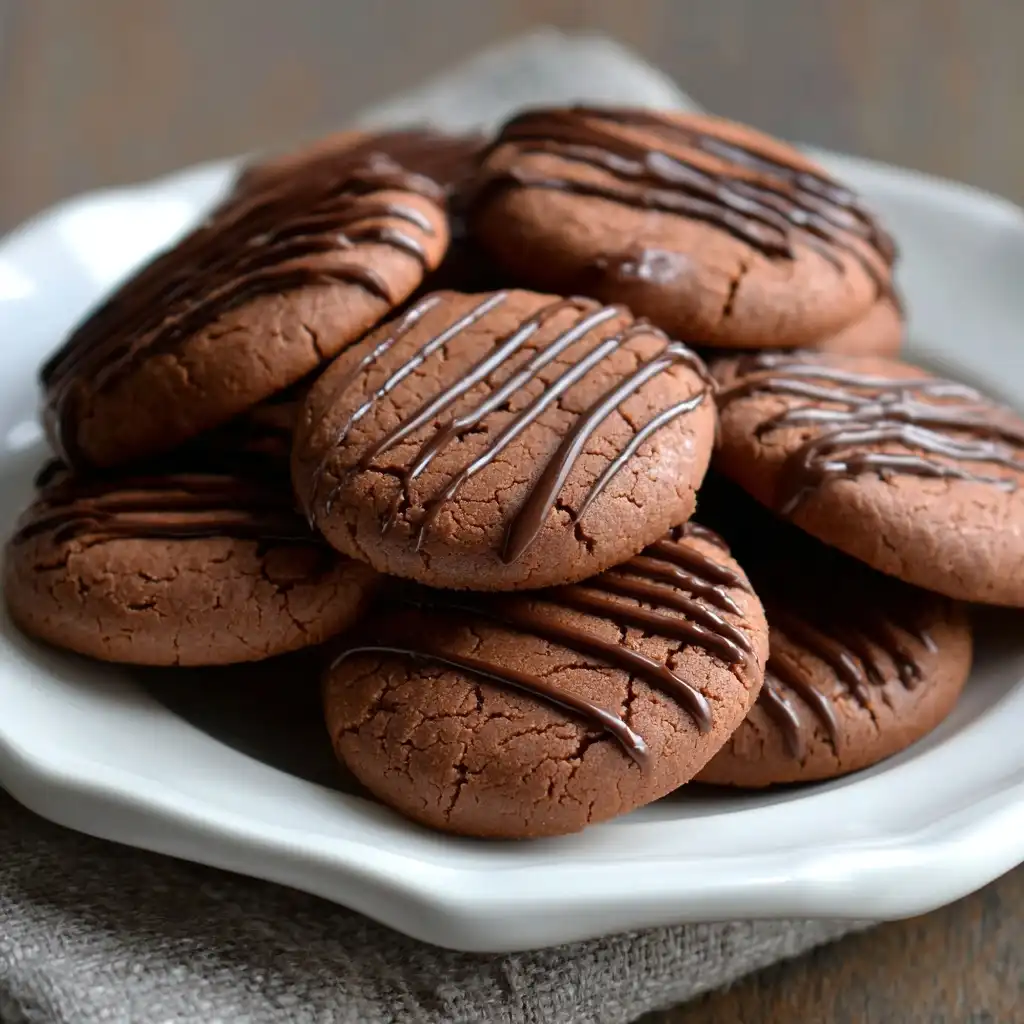
Chocolate Butter Cookies are the quintessential embodiment of comfort, nostalgia, and indulgence—rich, tender, melt-in-your-mouth treats that strike the perfect balance between deep cocoa intensity and creamy, buttery sweetness. Unlike standard chocolate chip cookies, these are not loaded with chunks or chips; instead, they feature a harmonious, uniform infusion of premium cocoa powder (and often melted dark or bittersweet chocolate) into a luxuriously soft, shortbread-adjacent dough. The result is a cookie that’s dense yet delicate, crisp-edged but yielding at the center, with an elegant sheen and a sophisticated depth of flavor—ideal for afternoon tea, holiday platters, gifting, or quiet moments of self-care. Whether you’re a seasoned baker or a curious beginner, this recipe delivers consistent, restaurant-quality results with accessible ingredients and intuitive techniques.
The History
The lineage of Chocolate Butter Cookies traces back to late 19th- and early 20th-century European confectionery traditions—particularly British “chocolate shortbreads” and Dutch “chocoladekoekjes,” where high-fat dairy and fine-ground cocoa were prized for their textural richness and aromatic complexity. In Victorian England, butter-rich biscuits were symbols of affluence and refinement, often served with clotted cream and preserves during formal tea services. As cocoa processing advanced—especially after the invention of the cocoa press by Coenraad van Houten in 1828—bakers gained access to smoother, less oily, more flavorful cocoa powders, enabling more stable, consistent chocolate-based doughs. By the 1930s, American home economists and test kitchens (notably those of Pillsbury and Betty Crocker) began refining versions that emphasized shelf-stable ingredients, precise creaming methods, and oven-temperature precision—laying the groundwork for today’s beloved chocolate butter cookie: a cross-cultural fusion of European technique and North American practicality. Over decades, regional adaptations emerged—from French-style sablés au chocolat with fleur de sel to Japanese-inspired matcha-chocolate hybrids—yet the core philosophy remains unchanged: let butter and chocolate speak for themselves, uncluttered by excess.
Ingredients Breakdown
Every ingredient in this Chocolate Butter Cookie recipe plays a precise, non-negotiable role—not merely as flavor contributors but as functional agents governing texture, rise, moisture retention, and browning:
- Unsalted Butter (1 cup / 227g, room temperature): Provides fat for tenderness, flavor, and structure. Room temperature ensures optimal creaming—trapping air for subtle lift without leaveners. High-fat European-style butter (82–84% fat) yields superior richness and crumb.
- Powdered Sugar (1¼ cups / 150g): Dissolves instantly, contributing to a fine, velvety crumb and reducing spread. Its cornstarch content also helps stabilize the dough and enhances chewiness.
- Granulated Sugar (½ cup / 100g): Adds slight crunch, aids caramelization at the edges, and balances the softness from powdered sugar. Its larger crystals create micro-pockets of air during creaming.
- Pure Vanilla Extract (2 tsp): Deepens chocolate’s complexity and rounds out bitterness. Alcohol-based extract (not imitation) ensures volatile aromatic compounds survive baking.
- High-Quality Unsweetened Cocoa Powder (¾ cup / 75g, Dutch-processed preferred): Dutch-processed cocoa offers mellow acidity, deeper red-brown hue, and enhanced solubility—critical for even dispersion and no graininess. Natural cocoa can be substituted but may require a pinch of baking soda to neutralize acidity.
- All-Purpose Flour (2¼ cups / 280g, spooned & leveled): Provides gluten for cohesion—but minimal mixing prevents toughness. Bread flour would overdevelop gluten; cake flour lacks enough structure. Measured correctly (spooned into cup, then leveled) avoids dry, crumbly cookies.
- Salt (¾ tsp fine sea salt or kosher salt): Not just for seasoning—salt sharpens chocolate’s flavor, controls yeast activity (if using), and strengthens gluten bonds subtly. Too little dulls flavor; too much overwhelms.
- Heavy Cream (2 tbsp / 30ml, cold): Adds moisture without thinning the dough; its high fat content enriches mouthfeel and promotes glossy surface sheen. Milk or half-and-half will cause excessive spread.
- Optional Enhancers: 1 oz (28g) finely chopped 60–70% dark chocolate (for melty pockets), ¼ tsp espresso powder (to intensify chocolate notes without tasting like coffee), or 1 tsp instant French roast coffee granules (same effect).
Step-by-Step Recipe
- Prep & Chill Equipment: Place your mixing bowl, whisk attachment (or paddle), and rubber spatula in the freezer for 10 minutes. Cold tools prevent premature butter softening during mixing.
- Cream Butter & Sugars: In the chilled bowl, beat unsalted butter on medium-low for 1 minute until smooth. Gradually add powdered sugar, then granulated sugar. Beat 3–4 minutes on medium until pale, fluffy, and nearly doubled in volume—scraping bowl twice. Do not rush: proper aeration is essential for texture.
- Incorporate Flavorings: Add vanilla extract and mix 30 seconds until fully absorbed. Then add cocoa powder all at once. Mix on low for 45 seconds—just until no dry streaks remain. Overmixing here warms the butter and develops gluten prematurely.
- Gradual Flour Integration: Sift together flour and salt. With mixer on lowest speed, add flour mixture in three equal portions, mixing only until each is *just* incorporated (about 15–20 seconds per addition). Pause and scrape bowl thoroughly each time.
- Hydrate & Final Fold: Drizzle in cold heavy cream while mixer runs on low for 10 seconds. Turn off mixer. Use a flexible silicone spatula to hand-fold 12–15 strokes—just until dough comes together in a cohesive mass with no dry flour. If adding optional chocolate, fold in now.
- Chill Strategically: Divide dough in half. Shape each into a 1½-inch-thick disc. Wrap tightly in parchment-lined plastic wrap (prevents drying + allows easy slicing later). Refrigerate minimum 2 hours, ideally 4–24 hours. This hydrates flour, firms butter, and concentrates flavor—critical for clean edges and uniform bake.
- Preheat & Prep: Position oven racks in upper and lower thirds. Preheat to 350°F (175°C) for at least 25 minutes. Line two half-sheet pans with parchment (no greasing—dough contains ample fat).
- Portion & Slice: Remove one dough disc. Trim uneven edges. Using a sharp chef’s knife, cut into ¼-inch-thick rounds. Gently reshape any misshapen cookies by rolling between palms into smooth 2-inch circles. Place 2 inches apart on pans.
- Bake with Precision: Bake 12–14 minutes total—rotate pans top-to-bottom and front-to-back at 7-minute mark. Cookies are done when edges are set and lightly golden, centers look *just* matte (not shiny), and tops feel firm to light fingertip press. They will seem underbaked—they continue to set as they cool.
- Cool Completely: Let cookies rest on pans for 5 minutes—this finishes internal cooking and sets structure. Then transfer to wire racks using a thin spatula. Cool fully (at least 30 minutes) before storing or serving. Warm cookies crumble; cooled ones reveal their full, tender crumb.
Tips
- Butter Temperature Is Non-Negotiable: Butter should yield slightly to fingertip pressure but not leave an oily residue. Too warm = flat, greasy cookies. Too cold = gritty, uneven creaming. Test by pressing thumb into stick—should indent ~¼ inch without crumbling.
- Sift Cocoa & Flour Together: Prevents lumps and ensures even distribution—especially vital with dense cocoa powder. Skipping this step causes bitter pockets and inconsistent color.
- Weigh Your Ingredients: Volume measurements vary wildly—especially flour and cocoa. A kitchen scale eliminates guesswork and guarantees repeatable results.
- Don’t Skip the Chill: Under-chilled dough spreads uncontrollably, loses definition, and bakes unevenly. Overnight chilling also deepens flavor—cocoa compounds oxidize slightly, mellowing harsh notes.
- Use an Oven Thermometer: Most ovens run hot or cold. Even a 25°F variance alters spread, browning, and doneness. Calibrate first.
- Rotate Pans Mid-Bake: Ensures even heat exposure. Convection ovens? Reduce temp by 25°F and check 1–2 minutes earlier.
- Room-Temp Eggs Are Unnecessary Here: Unlike cake batters, this cookie relies on creaming—not emulsification—so cold eggs won’t disrupt structure. Adding them would introduce unwanted moisture.
- For Glossy Tops: Brush chilled, uncut dough discs lightly with milk or cream before slicing and baking—creates a luminous, professional finish.
- Storing Secret: Keep completely cooled cookies in an airtight container with a slice of plain white bread. The cookies absorb ambient moisture from the bread, staying soft for up to 10 days—replace bread every 2 days.
Variations and Customizations
This foundational recipe serves as a canvas for endless creativity—each variation preserving the buttery-chocolate core while introducing new dimensions of flavor, texture, and occasion-readiness:
- Espresso-Chocolate Butter Cookies: Add 1 tsp instant espresso powder + ¼ tsp cinnamon to dry ingredients. Garnish baked cookies with flaky sea salt and a dusting of cocoa.
- Orange-Zest Chocolate Butter Cookies: Add 2 tsp finely grated orange zest (avoid pith) with vanilla. Optional: dip cooled cookies halfway in tempered white chocolate, then sprinkle with dried orange peel.
- Almond-Chocolate Butter Cookies: Replace ¼ cup flour with ¼ cup finely ground blanched almonds. Add ½ tsp almond extract with vanilla. Press a whole toasted almond into center of each cookie pre-bake.
- Spiced Mexican Hot Chocolate Cookies: Add ½ tsp ground cinnamon, ¼ tsp ground ancho chili powder, ⅛ tsp ground clove, and a pinch of cayenne to dry ingredients. Finish with coarse demerara sugar sprinkle before baking.
- Gluten-Free Chocolate Butter Cookies: Substitute 2¼ cups (280g) certified GF 1:1 baking blend (with xanthan gum). Add 1 extra tbsp cold heavy cream. Chill dough 3+ hours—GF flours hydrate slower.
- Vegan Chocolate Butter Cookies: Use vegan butter (Miyoko’s or Earth Balance Soy-Free), replace cream with full-fat coconut milk (chilled, solid part only), and use maple syrup (reduce powdered sugar by 2 tbsp) + 1 tsp apple cider vinegar for lift. Chill 6+ hours.
- Mini Tea-Time Cookies: Roll dough into 1-inch balls, flatten gently to 1½-inch rounds. Bake 9–10 minutes. Perfect for tiered dessert stands and gift tins.
- Stuffed Chocolate Butter Cookies: Flatten dough round, place ½ tsp raspberry jam or salted caramel in center, fold edges over, and reshape into ball. Roll lightly in cocoa-sugar mix before baking.
- Decorated Holiday Edition: After cooling, flood with dark chocolate glaze (melted chocolate + 1 tsp coconut oil), then top with crushed peppermint, edible gold leaf, or festive sprinkles.
Health Considerations and Nutritional Value
While Chocolate Butter Cookies are inherently indulgent, mindful preparation and ingredient selection can enhance their nutritional profile without compromising authenticity:
- Caloric Profile (per standard 2-inch cookie, ~32g): Approximately 145–160 calories—primarily from healthy unsaturated fats (butter’s CLA and butyrate), complex carbohydrates (flour’s slow-digesting starch), and antioxidant-rich cocoa flavanols.
- Cocoa Benefits: High-flavanol cocoa (70%+ dark chocolate or natural/Dutch cocoa) supports endothelial function, modest blood pressure reduction, and cognitive circulation—especially when consumed without excessive added sugar.
- Butter Nuance: Grass-fed butter provides vitamin K2 (supports arterial and bone health) and omega-3s. Though saturated fat is present, recent meta-analyses suggest moderate intake (<10% daily calories) poses no cardiovascular risk for most individuals.
- Reduced-Sugar Option: Replace ¼ cup granulated sugar with allulose (a low-calorie, non-glycemic rare sugar) — maintains browning and texture without blood sugar spikes. Note: allulose lowers dough freezing point—chill 30 min longer.
- Fiber Boost: Substitute 3 tbsp flour with 3 tbsp resistant starch (green banana or potato) or psyllium husk powder—adds soluble fiber without altering taste or spread.
- Allergen Notes: Naturally nut-free and egg-free. For dairy sensitivity, vegan butter and coconut cream work well (see Variations). Always verify cocoa and sugar are certified gluten-free if needed.
- Mindful Enjoyment: Pair one cookie with unsweetened green tea or black coffee—polyphenols synergize with cocoa antioxidants. Avoid eating on empty stomach to moderate glycemic response.
Ingredients
- 1 cup (227g) unsalted butter, room temperature
- 1¼ cups (150g) powdered sugar
- ½ cup (100g) granulated sugar
- 2 teaspoons pure vanilla extract
- ¾ cup (75g) Dutch-processed unsweetened cocoa powder
- 2¼ cups (280g) all-purpose flour, spooned & leveled
- ¾ teaspoon fine sea salt
- 2 tablespoons (30ml) cold heavy cream
Directions
- Place mixing bowl and whisk/paddle attachment in freezer for 10 minutes.
- In chilled bowl, beat butter on medium-low 1 minute until smooth. Gradually add powdered sugar, then granulated sugar. Beat 3–4 minutes on medium until pale, fluffy, and doubled in volume, scraping bowl twice.
- Add vanilla; mix 30 seconds. Add cocoa powder all at once; mix on low 45 seconds until no dry streaks remain.
- Sift flour and salt together. With mixer on lowest speed, add flour mixture in three portions, mixing only until each is just incorporated (15–20 sec each). Scrape bowl thoroughly between additions.
- Drizzle in cold heavy cream while mixer runs on low for 10 seconds. Turn off mixer. Hand-fold with silicone spatula 12–15 strokes until dough forms cohesive mass.
- Divide dough in half. Shape each into 1½-inch-thick disc. Wrap tightly in parchment-lined plastic. Refrigerate 2–24 hours.
- Preheat oven to 350°F (175°C) with racks in upper/lower thirds. Line two half-sheet pans with parchment.
- Remove one dough disc. Trim edges. Cut into ¼-inch-thick rounds. Reshape into smooth 2-inch circles. Space 2 inches apart on pans.
- Bake 12–14 minutes, rotating pans top-to-bottom/front-to-back at 7 minutes. Cookies are done when edges are set and golden, centers matte, and tops firm to light touch.
- Let rest on pans 5 minutes. Transfer to wire racks. Cool completely (30+ minutes) before serving or storing.
FAQ
- Can I freeze the dough?
- Absolutely. Wrapped discs freeze beautifully for up to 3 months. Thaw overnight in fridge before slicing and baking—or bake frozen: add 1–2 minutes to bake time and expect slightly thicker cookies.
- Why did my cookies spread too much?
- Likely culprits: butter too warm, insufficient chilling, excess cream, or inaccurate flour measurement (too little). Also check oven temp—low heat causes prolonged melting before set.
- Can I use natural cocoa instead of Dutch-processed?
- Yes—but natural cocoa is acidic. Replace ¼ tsp baking soda for every ¼ cup natural cocoa used, and reduce salt by ⅛ tsp to balance pH and prevent soapy aftertaste.
- My cookies turned out dry/crumbly. What went wrong?
- Overmeasuring flour (scooping vs. spooning), overmixing after flour addition, or overbaking. Also, skipping the cream reduces moisture critical for tenderness.
- How do I get perfectly round cookies every time?
- Chill sliced rounds 10 minutes before baking. Or use a cookie cutter dipped in cocoa powder to re-cut edges post-slicing for crisp definition.
- Can I make these without a stand mixer?
- Yes! Use a hand mixer on medium speed, or cream butter/sugars vigorously with a sturdy wooden spoon (5–7 minutes). Ensure butter is truly room-temp for easier mixing.
- Why does the recipe use both powdered and granulated sugar?
- Powdered sugar dissolves instantly for tenderness; granulated adds structure, caramelization, and subtle crunch. Omitting either compromises texture dramatically.
- Can I add chocolate chips?
- You can—but it changes the cookie’s identity. For true Chocolate Butter Cookies, chocolate belongs *in* the dough, not as inclusions. If adding chips, reduce cocoa by 2 tbsp and chill dough 30 min longer.
- How long do they stay fresh?
- Stored airtight at room temperature: 7–10 days. Frozen (baked or unbaked): up to 3 months. Thaw baked cookies at room temp; bake frozen dough directly.
- Are these suitable for mailing/gifting?
- Excellent! Their dense, low-moisture nature resists breakage. Layer between parchment in a rigid tin with silica gel packets to prevent humidity softening.
Summary
Chocolate Butter Cookies are a masterclass in minimalist luxury—where exceptional ingredients, precise technique, and patient chilling converge to produce cookies of unrivaled richness, tenderness, and deep, resonant chocolate flavor.
From their historic roots in European tea culture to modern adaptations embracing dietary needs and global spices, they remain timeless: equally at home beside a steaming mug, on a holiday dessert table, or tucked into a handwritten note as a gesture of love.